Skip to content
logo-omni-letters
  • Home
  • Tech
  • Space
  • Science
  • Health
  • Archaeology
  • Paleontology
  • About us
logo-omni-letters
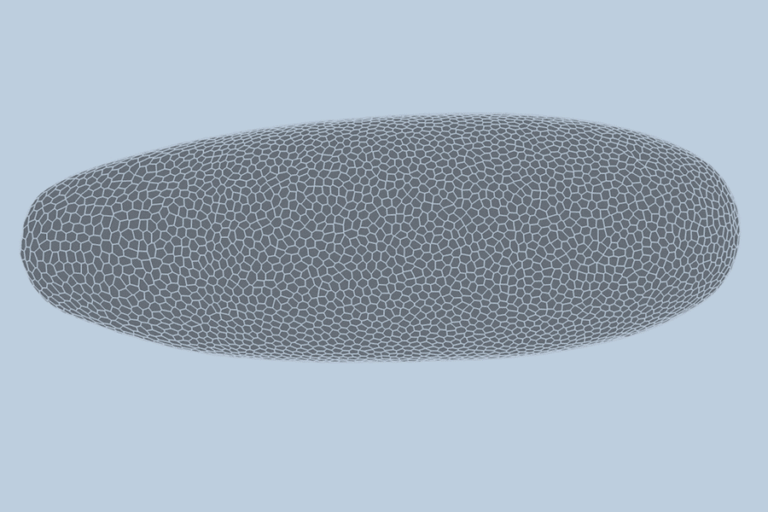
A developing Drosophila embryo was recorded using light sheet microscopy. The embryo is segmented, tracked, and reconstructed. Cell boundaries show how individual cells fold, divide, and rearrange.
Science

Deep-learning model predicts how fruit flies form, cell by cell

December 17, 2025December 17, 2025

Jennifer Chu | MIT News During early development, tissues and organs begin to bloom through the shifting, splitting, and growing of many thousands of cells. A team of MIT engineers has now developed a way…

Read More Deep-learning model predicts how fruit flies form, cell by cellContinue

Archaeological Site More Than 2,000 Years Old Discovered in Eastern Afghanistan
Archaeology

Archaeological Site More Than 2,000 Years Old Discovered in Eastern Afghanistan

December 17, 2025December 17, 2025

An archaeological site possibly dating to a period prior to the birth of Christ has been discovered in Afghanistan’s eastern Laghman Province, according to a statement released on Sunday by the Provincial Department…

Read More Archaeological Site More Than 2,000 Years Old Discovered in Eastern AfghanistanContinue

Como vídeos curtos podem estar prejudicando o cérebro das crianças
Health

How short videos may be harming children’s brains

December 14, 2025December 14, 2025

Online short-form video has shifted from a light distraction to a constant backdrop in many children’s lives. What used to fill a spare moment now shapes how young people relax, communicate and form…

Read More How short videos may be harming children’s brainsContinue

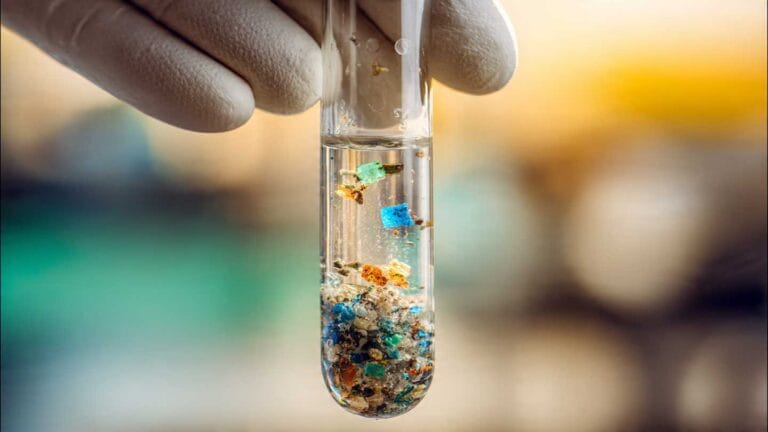
Microplásticos podem espalhar patógenos perigosos
Science

Microplastics May Spread Dangerous Pathogens, Scientists Warn

December 12, 2025December 12, 2025

Scientists are working diligently to assess the scale of microplastic pollution and its potential impacts on human and environmental health. Research suggests that microplastics themselves may be harmful to biological systems and are…

Read More Microplastics May Spread Dangerous Pathogens, Scientists WarnContinue

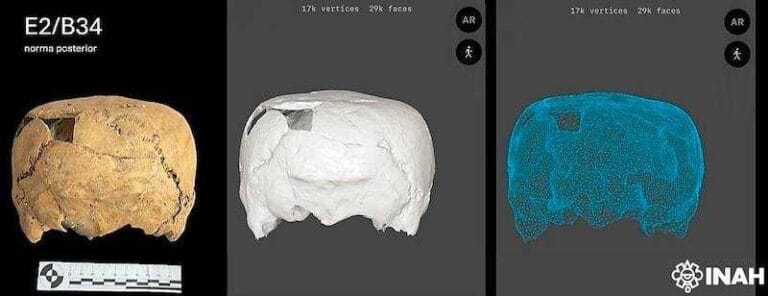
The man’s skull (shown here from the back in a photograph, a 3D scan, and a point cloud) was flattened at the top, giving it a cube-shaped appearance. Credit: INAH; Technical Archive of the Physical Anthropology Section of CINAH Tamaulipas.
Archaeology

Unusual 1,400-year-old cube-shaped skull discovered in Tamaulipas.

December 11, 2025December 11, 2025

An unprecedented discovery has surprised researchers from the National Institute of Anthropology and History (INAH) in the state of Tamaulipas. During a recent review of bone materials at the Balcón de Montezuma archaeological…

Read More Unusual 1,400-year-old cube-shaped skull discovered in Tamaulipas.Continue

SPHERE debris disk gallery, visible through the starlight they reflect, with the central star blocked. © N. Engler et al./SPHERE Consortium/ESO
Space

SPHERE Debris Disk Gallery: Revealing Clues of Dust and Small Bodies in Distant Solar Systems

December 7, 2025December 7, 2025

Observations made with the SPHERE instrument on ESO’s Very Large Telescope have produced an unprecedented gallery of “debris disks” in exoplanetary systems. Gaël Chauvin (Max Planck Institute for Astronomy), SPHERE project scientist and…

Read More SPHERE Debris Disk Gallery: Revealing Clues of Dust and Small Bodies in Distant Solar SystemsContinue

A noninvasive blood-glucose monitoring method developed at MIT could spare diabetes patients from frequent finger pricks and potentially replace traditional monitoring devices.
Science | Tech

Needle-free glucose monitoring for people with diabetes

December 3, 2025December 3, 2025

Anne Trafton | MIT News A noninvasive method for measuring blood glucose levels, developed at MIT, could save diabetes patients from having to prick their fingers several times a day. The MIT team used Raman…

Read More Needle-free glucose monitoring for people with diabetesContinue

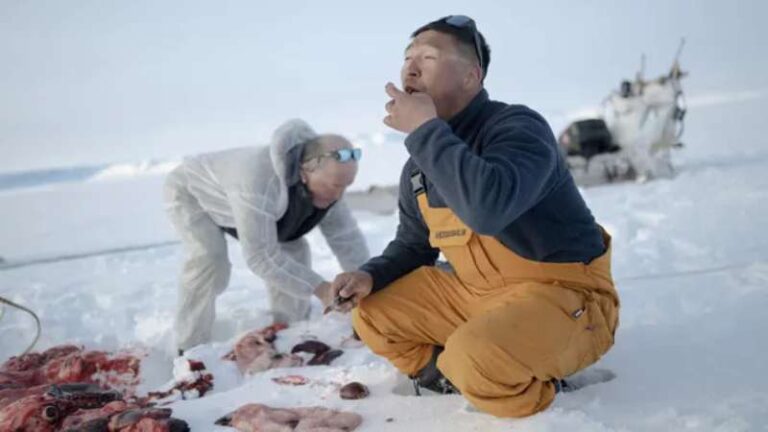
Inuit people such as these Greenlanders have evolved to be able to eat fatty foods with a low risk of getting heart disease. Olivier Morin/AFP via Getty Images
Science

Humans are still evolving.

November 29, 2025November 29, 2025

Many people believe that we humans have conquered nature through the wonders of civilization and technology. Some also believe that because we are different from other creatures, we have complete control over our…

Read More Humans are still evolving.Continue

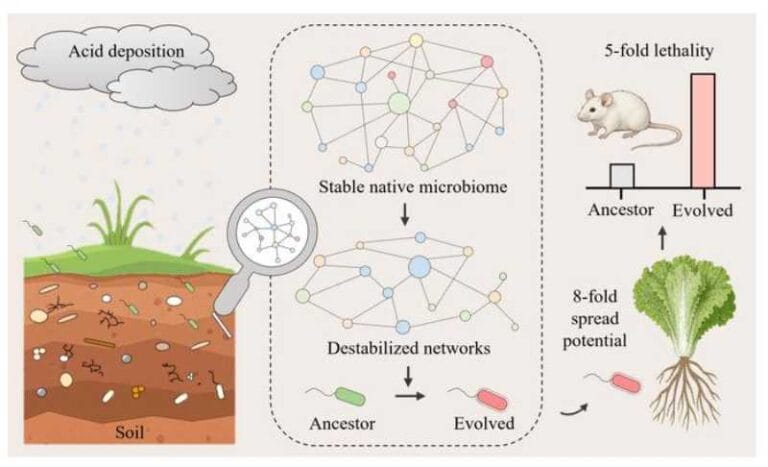
Acid deposition fuels pathogen risk through a coupled ecological and evolutionary cascade
Science

Hidden dangers in ‘acid rain’ soils

November 27, 2025November 27, 2025

Acid rain from fossil fuel pollution may be quietly training soil bacteria to become longer-lived, more transmissible, and more deadly, according to a new study in the journal New Contaminants that tracks how a notorious…

Read More Hidden dangers in ‘acid rain’ soilsContinue

The north face of the Pyramid of Menkaure. Credit: K. Helal et al., 2025.
Archaeology

Hidden cavities on the east face of the Pyramid of Menkaure in Giza

November 11, 2025November 11, 2025

An international team of researchers has identified two air-filled cavities behind the east face of the Pyramid of Menkaure on the Giza Plateau. The discovery provides scientific evidence supporting the hypothesis that a…

Read More Hidden cavities on the east face of the Pyramid of Menkaure in GizaContinue

Page navigation

1 2 3 … 55 Next PageNext

Follow us:

X Facebook Instagram Threads

  • Privacy Policy
  • Terms of Use
  • About us
  • Contact

Copyright © 2025 Omni Letters ‧ All rights reserved.

  • Home
  • Tech
  • Space
  • Science
  • Health
  • Archaeology
  • Paleontology
  • About us
X Facebook Instagram Threads
Search