Ancient rocks offer clues about the origins of Earth and the Moon


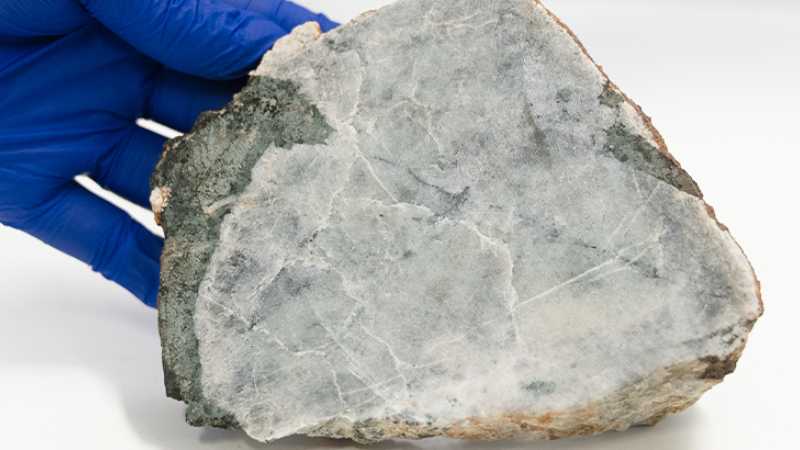
A study of feldspar crystals found in Australia’s oldest magmatic rocks has provided new evidence about the composition of Earth’s primordial mantle, the early formation of continents, and the origins of the Moon.
The research, published in Nature Communications, was led by PhD candidate and first author Matilda Boyce, in collaboration with scientists from the School of Earth and Oceans at the University of Western Australia (UWA), the University of Bristol, the Geological Survey of Western Australia, and Curtin University.
The researchers analyzed 3.7-billion-year-old anorthosites found in the Murchison region of Western Australia — the oldest known rocks on the continent and among the oldest on the planet.
“The timing and rate of Earth’s early crustal growth are still subjects of debate due to the scarcity of rocks this ancient,” Boyce explained. “We used high-precision analytical methods to isolate preserved areas of plagioclase crystals, which record the isotopic ‘fingerprint’ of the primordial mantle.”
The results indicate that the continents began to form relatively late in the planet’s history, around 3.5 billion years ago — roughly one billion years after Earth’s formation.

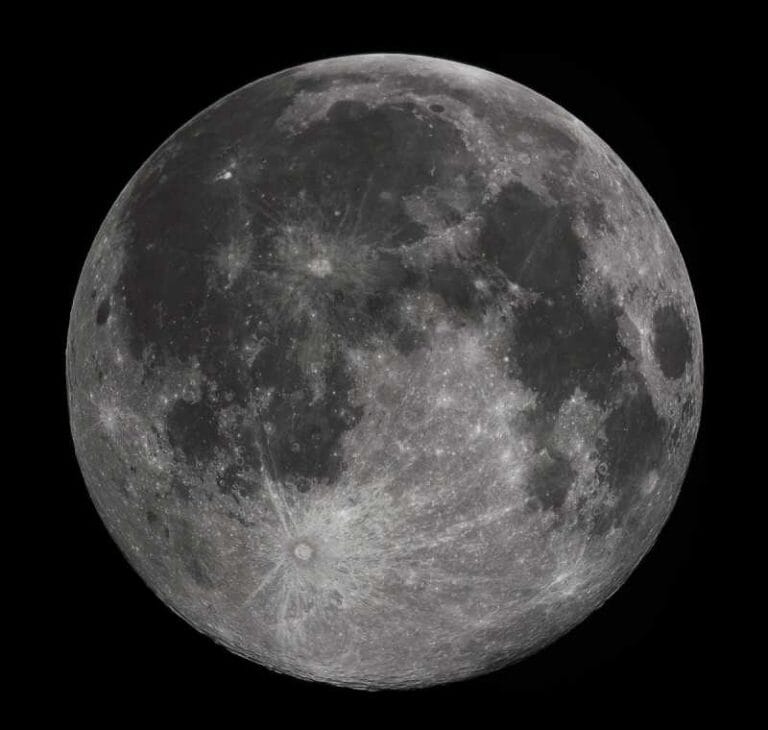
The study also compared these samples with lunar anorthosites collected during NASA’s Apollo program.
“Anorthosites are rare on Earth but common on the Moon,” Boyce noted. “The comparison revealed consistency between the early compositions of Earth and the Moon, dating back to about 4.5 billion years ago.”
This similarity reinforces the hypothesis that the Moon formed after a planetary body collided with the early Earth — an impact that likely created both the natural satellite and part of the material that now makes up Earth’s mantle.
The study was funded by the Australian Research Council.