7,500-Year-Old Stone Seal Discovered in Türkiye


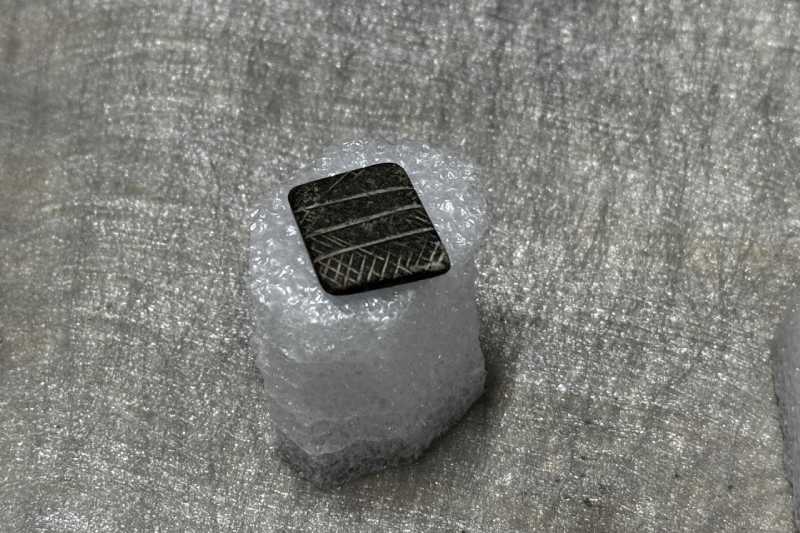
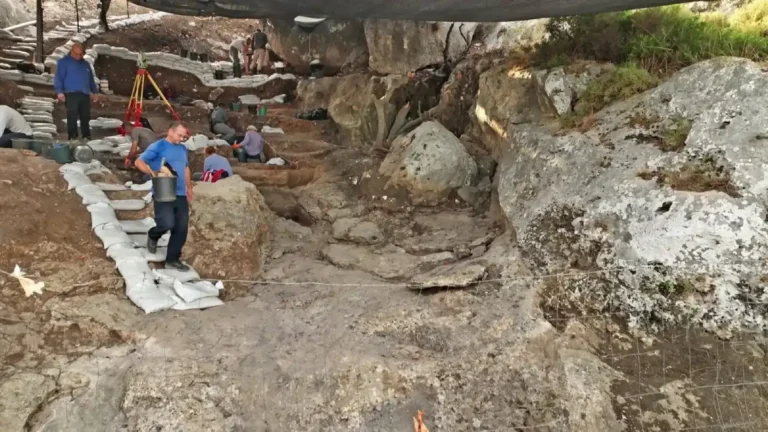
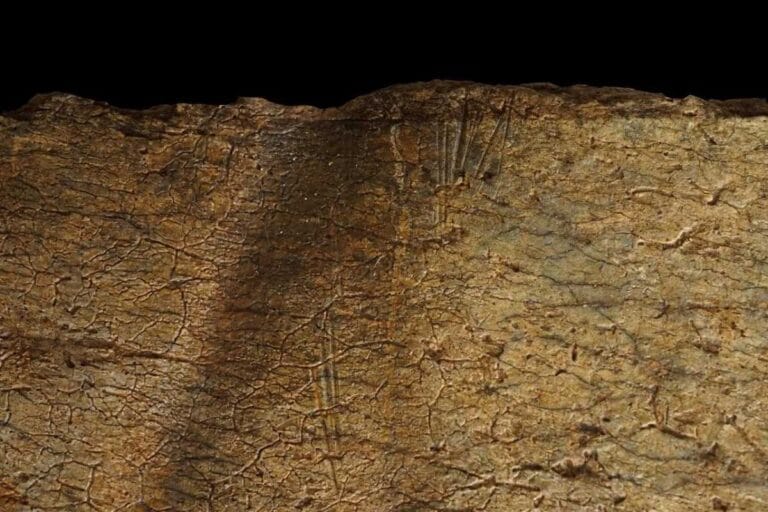
Elazig, Türkiye – Archaeological excavations at the Tadim Fortress and Hoyuk in eastern Türkiye have uncovered a stone seal estimated to be around 7,500 years old, providing rare evidence that organized settlements and social structures existed in the region since the Neolithic period.
The object was discovered during work coordinated by the Directorate of the Elazig Museum and the Provincial Directorate of Culture and Tourism, with support from the Ministry of Culture and Tourism and the Elazig Governorship. According to experts, the seal likely served as a marker of property, personal identity, or ownership, indicating an advanced level of social organization for its time.
Governor Numan Hatipoğlu emphasized the uniqueness of the discovery for the city, noting that no similar seal had previously been identified in Elazig. “We are studying not only the use of the seal, but also what it reveals about daily life, administration, and social relations in the region during the Neolithic period,” he stated.
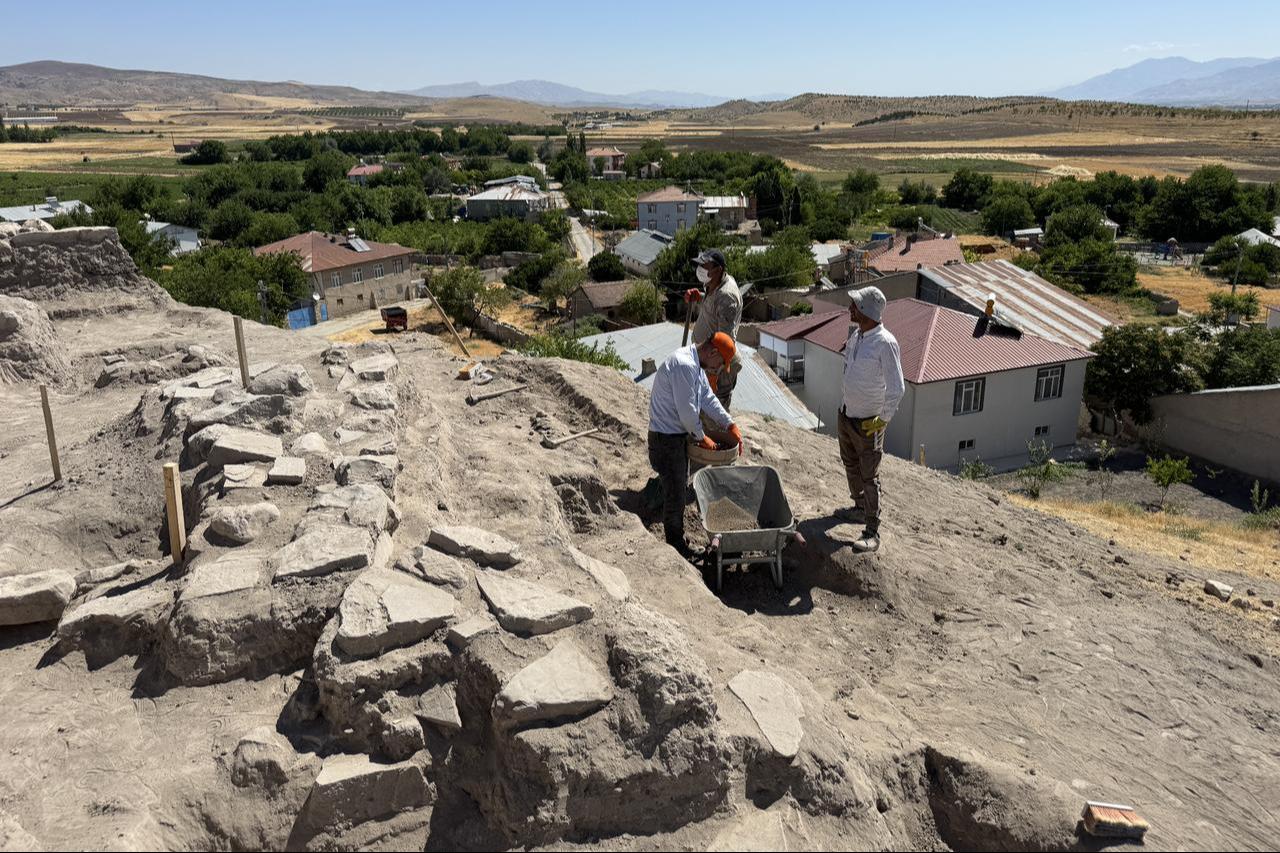
Excavations at Tadim, which began last year, were temporarily halted during the winter and are part of the Ministry of Culture’s ‘Heritage for the Future’ project, aimed at preserving and interpreting important archaeological sites across Türkiye.
Archaeologists have identified multiple historical layers at the site. In the upper levels, they found traces from the Ottoman, Seljuk, Roman, and Byzantine periods, as well as materials dating back to around 3,500 BCE. As the excavations went deeper, researchers clearly identified the presence of a Neolithic settlement, culminating in the discovery of the stone seal.
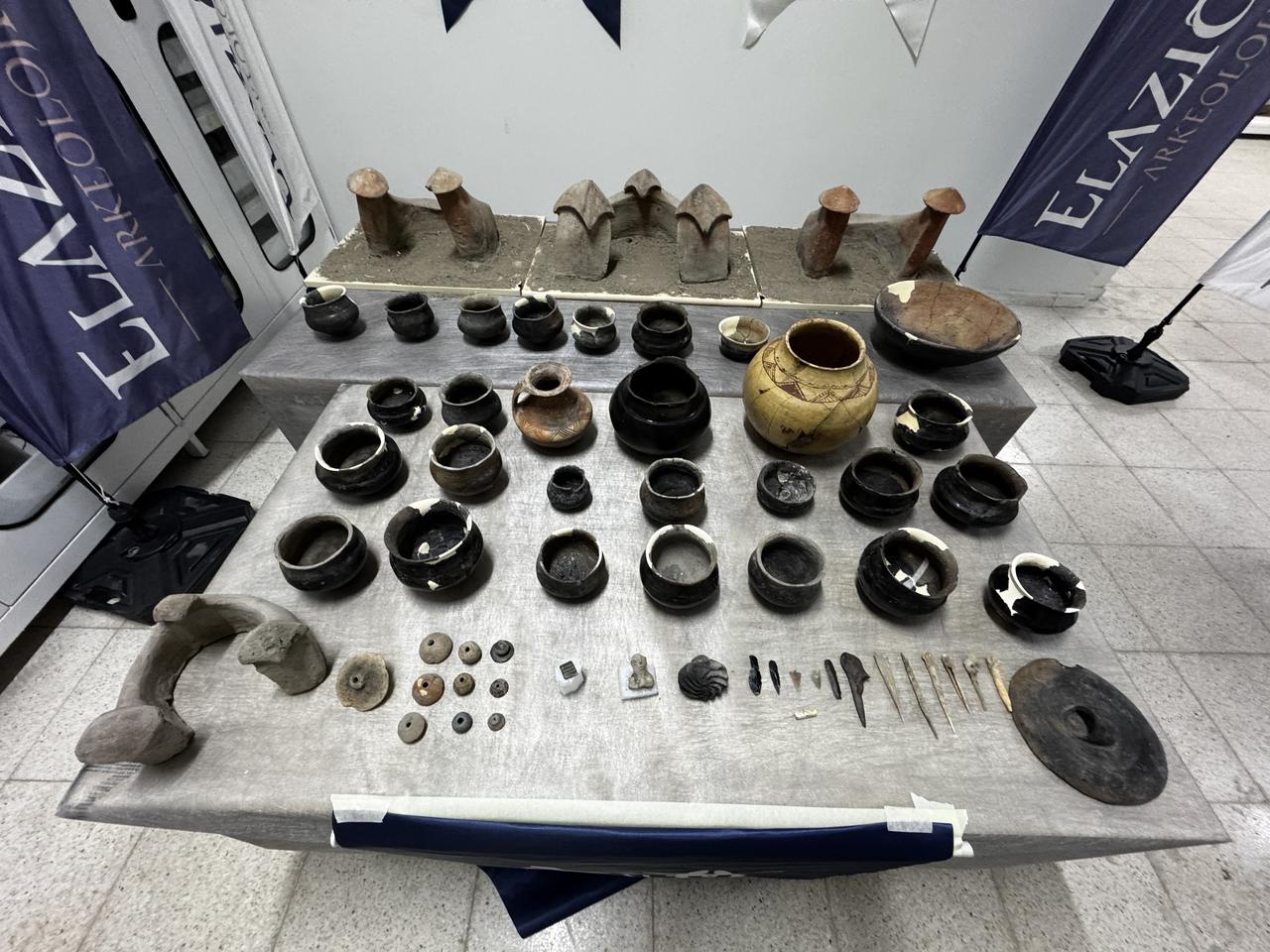
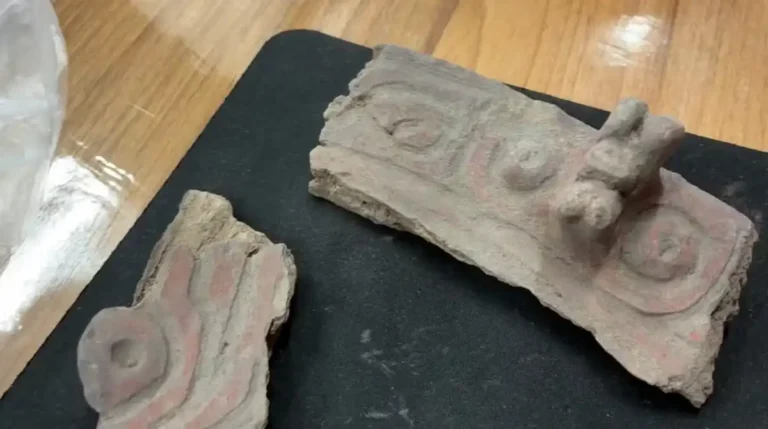
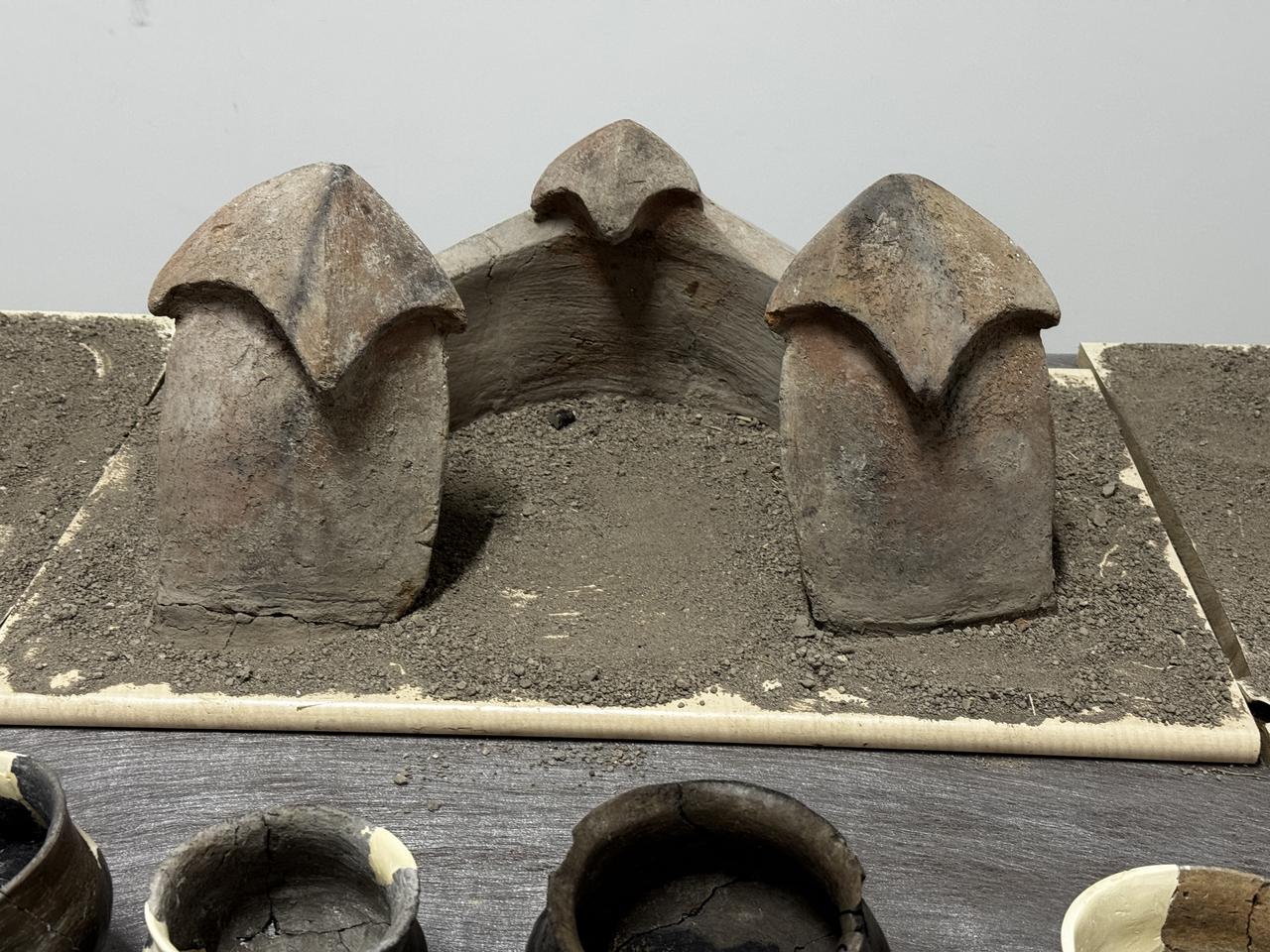
Among the recovered finds are three sacred hearths, Karaz-type ceramics from Nakhchivan associated with the earliest cultures of the Caucasus, arrowheads, everyday tools, stylized figurines, and vessels decorated with geometric patterns and wild goat motifs. One of the most remarkable items is an altar with a bull’s head, dating to the Late Chalcolithic and Early Bronze Age, indicating ritual practices and organized communal life.
Another highlight is a seal used in grain exchanges, locally known as ‘cec damga muhru,’ demonstrating structured economic activities. According to archaeologists, these finds reveal a society in which rituals, trade, and daily life were closely interconnected.
The stone seal is being preserved at the Elazig Museum of Archaeology and Ethnography, where restoration, analysis, and documentation work continues throughout the year. In addition to Tadim, excavations are ongoing at Harput and Palu Castles and in the village of Salkaya, where a mosaic featuring animal figures and the remains of a Roman bath were identified using ground-penetrating radar.
At Palu Castle, the work uncovered an Ottoman guard post and a well-preserved section of Urartian walls, highlighting the historical importance of the site in the ancient kingdom of Urartu. At Harput Castle, archaeologists plan to reconstruct the historic Fetih Mosque and establish a visitor reception center.
According to local authorities, the discoveries—especially the 7,500-year-old stone seal—reaffirm Elazig’s role as a continuous and complex settlement center. ‘The findings show that the region was not only inhabited since the earliest times, but also developed sophisticated social, economic, and cultural practices that influenced later civilizations,’ Hatipoğlu concluded.