Archaeologists discover 22 sarcophagi and eight intact papyri in Luxor


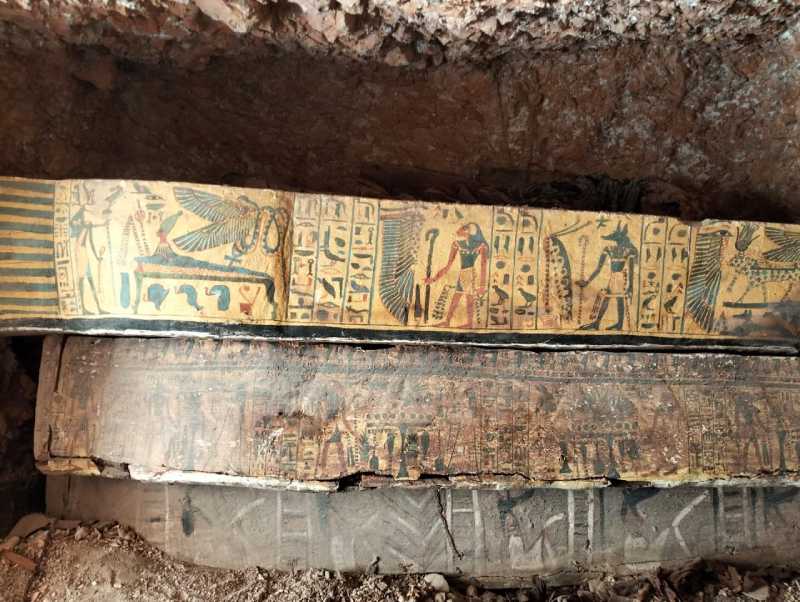
An Egyptian archaeological expedition has announced a discovery of great importance for understanding religion, ritual music, and funerary practices in Ancient Egypt. In the Asasif cemetery, on the west bank of the Nile River in Luxor, a joint team from the Supreme Council of Antiquities and the Zahi Hawass Foundation for Archaeology and Heritage unearthed an exceptional assemblage consisting of 22 polychrome wooden sarcophagi—each containing a mummy—as well as eight intact papyri placed inside a large ceramic vessel, all dating to the Late Intermediate Period, spanning Dynasties XXI to XXV (c. 1070–664 BCE).
The find was made in the southwestern corner of the courtyard of the tomb of Seneb, in the Qurna area. The sarcophagi, still bearing their vibrant colors preserved even after more than two millennia underground, were discovered in a rectangular chamber carved directly into the bedrock. They had been stacked in seventeen layers (ten horizontal), with the coffins arranged in an almost symmetrical pattern and the lids separated from their bases to maximize the available space—an arrangement that, according to archaeologists, demonstrates careful planning by those responsible for the funerary deposit.
Specialists believe that this location was not originally conceived as a primary tomb, but rather as a secondary deposit where human remains and funerary objects were gathered after looting or reorganizations of older burials.
The apparent care in the arrangement of the sarcophagi suggests that the transfer was carried out by authorities with ritual knowledge and respect for the funerary cult.
Although many of the sarcophagi do not bear individual names—making precise identification of the mummies difficult—numerous inscriptions indicate the religious or functional title of the occupants: “Singer of Amun” or “Chantress of Amun.” These titles were not merely honorific, but reflected a specific social and religious category within the Theban context.
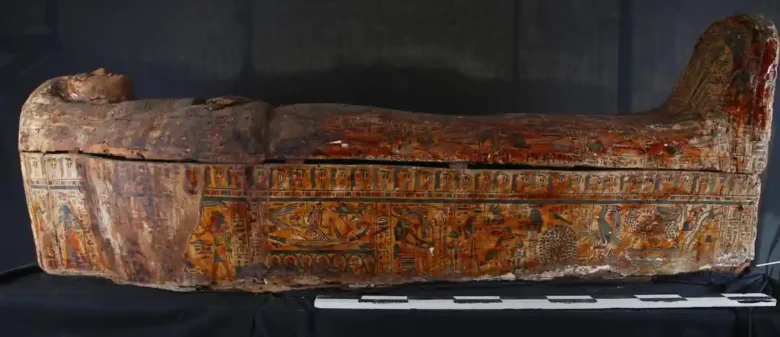
During much of the Late Intermediate Period, the cult of Amun in Thebes remained one of the most influential religious centers in Egypt, especially at a time when political power was fragmented among competing dynasties. The Singers of Amun—particularly the women—played essential roles in temple ceremonies, performing hymns, taking part in liturgical rituals, and accompanying musical ceremonies with specific instruments.
Previous studies and discoveries of other artifacts, such as the famous sarcophagus of Sha-Amun-en-su, a singer from the Temple of Karnak in the 8th century BCE, confirm that individuals bearing this title held a social status closely associated with the religious and cultic sphere and were buried with symbolic practices reflecting their specific role within the ritual community.
Among the objects discovered, eight papyri sealed inside a large ceramic vessel have drawn special interest from researchers. Some still preserve their clay seals intact after more than two millennia and have not yet been opened for detailed laboratory analysis. The scientific team’s expectations are high: these documents may contain religious texts—possibly versions of funerary books or liturgical writings—or even previously unknown administrative and cultic records.
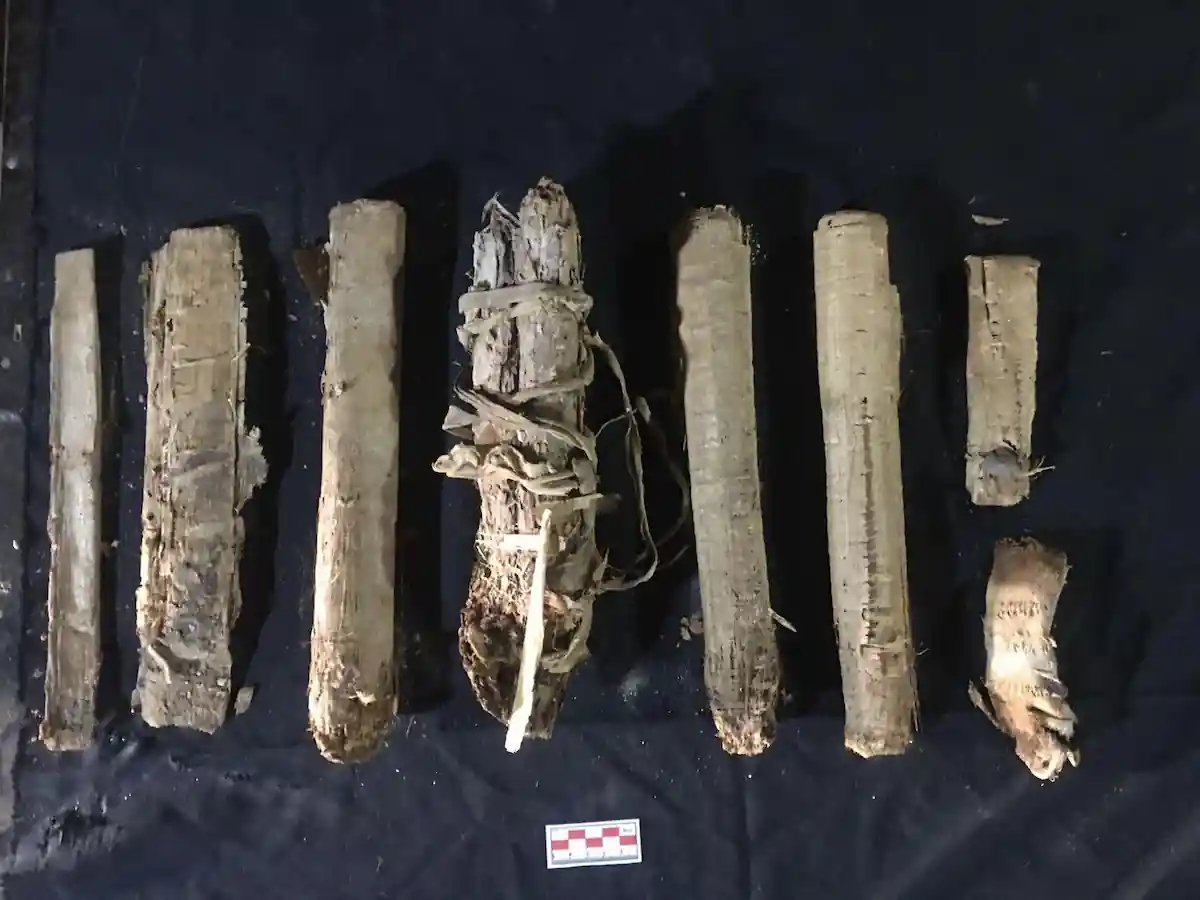
If it is confirmed that the papyri include religious or cultic texts, they could significantly expand current knowledge of beliefs and practices during the Late Intermediate Period—a phase that remains relatively less documented compared to the height of the New Kingdom, when monuments such as the Temple of Karnak and the Temple of Luxor reached their peak.
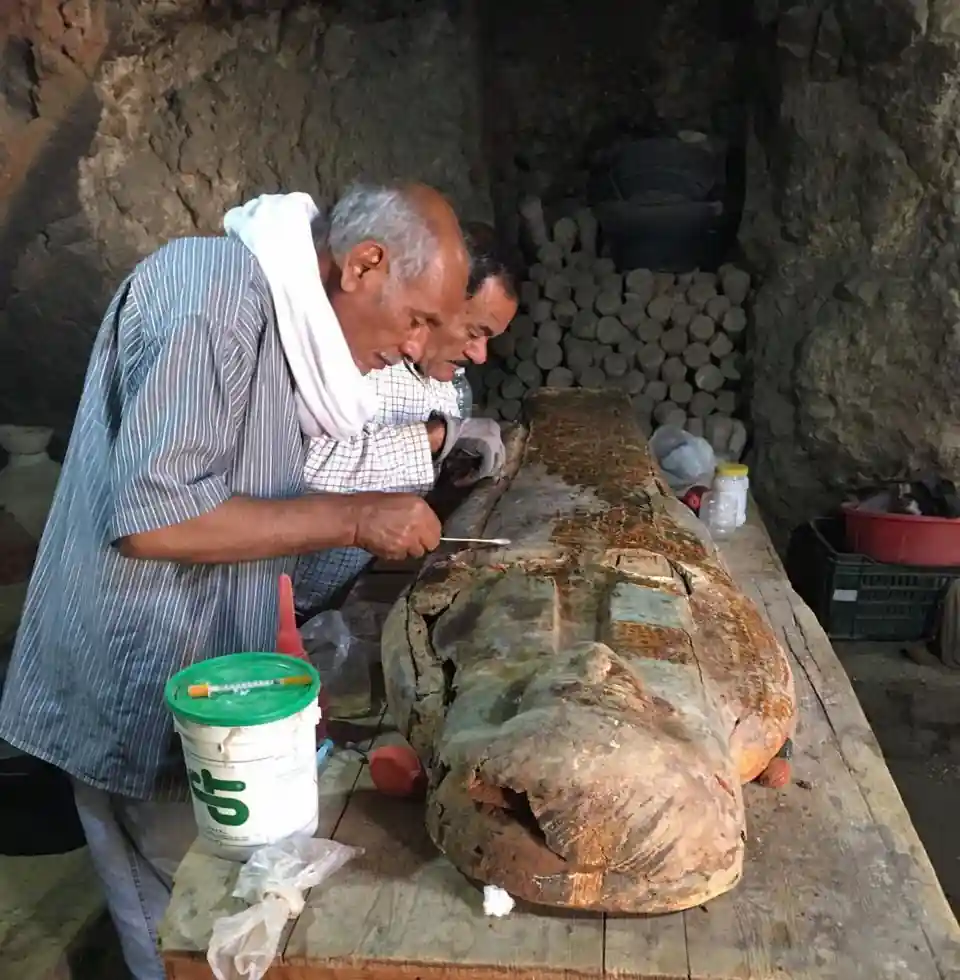
The team led by Sherif Fathi, Egypt’s Minister of Tourism and Antiquities, emphasized that all objects are currently undergoing restoration and documentation according to international standards, with the aim of ensuring their preservation and eventual public display. Part of the exhibition may take place at the Egyptian Museum of Civilization or the Grand Egyptian Museum, although some of the material may remain in Luxor to strengthen the local archaeological heritage.
The impact of this discovery goes beyond archaeology: it reinforces Luxor’s continuing importance as one of the world’s greatest open-air museums and reiterates Egypt’s relevance as an inexhaustible source of knowledge about ancient civilizations. Expectations now turn to the anthropological analyses of the mummies and, above all, to the decipherment of the papyri, which may reveal human and religious stories that had been sealed for more than 2,700 years.