Skip to content
logo-omni-letters
  • Home
  • Tech
  • Space
  • Science
  • Health
  • Archaeology
  • Paleontology
  • About us
logo-omni-letters
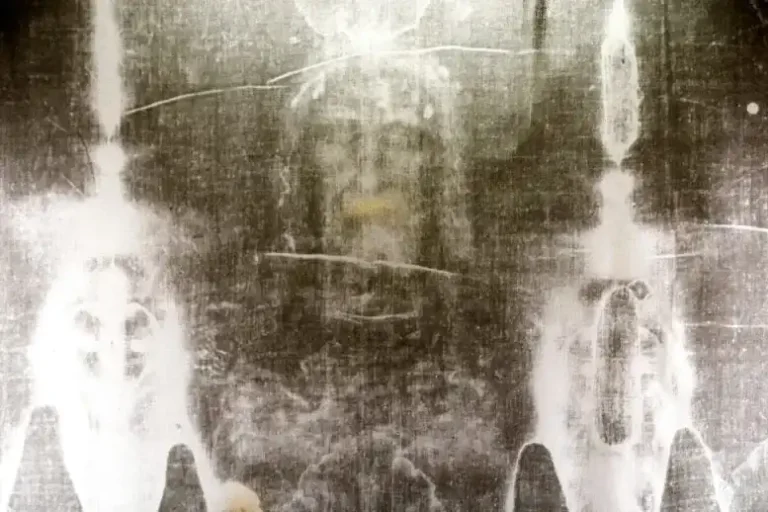
Advanced DNA sequencing revealed that the fibers of the Shroud of Turin preserve a remarkably complex record of human contact, microorganisms, plants, and animals accumulated over the centuries. Credit: Shutterstock.
Science

DNA Reveals the Complex Biological History of the Shroud of Turin

August 1, 2026August 1, 2026

A new study has revealed the complex biological history preserved in traces of DNA found on the Shroud of Turin. Published in the journal Scientific Reports, the research used advanced genetic sequencing techniques…

Read More DNA Reveals the Complex Biological History of the Shroud of TurinContinue

A missing molecular signal may explain why some leukemia cells remain stuck at a developmental stage. Restoring it could reveal a new strategy for driving these cells toward maturity.
Health

Study reveals protein that could help treat leukemia

July 31, 2026July 31, 2026

Researchers at Iowa State University identified a protein and a signaling pathway that may be crucial for overcoming the blockage in blood cell development in leukemia cases. The study, published in the journal…
Read More Study reveals protein that could help treat leukemiaContinue

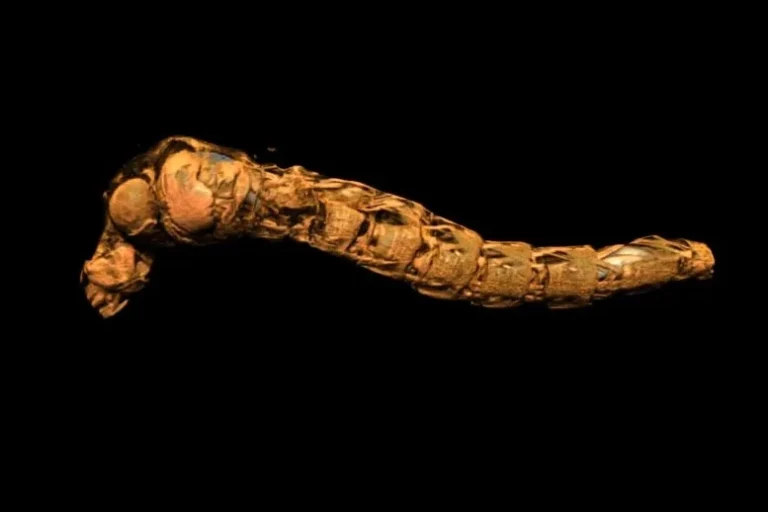
A micro-CT scan of the larva showing the air sacs in situ. Credit: Philip Matthews.
Biology

Insect Larvae Challenge Ocean Pressure Theory

July 31, 2026July 31, 2026

Researchers at the University of British Columbia (UBC) have discovered that Chaoborus edulis larvae, found in Lake Malawi, possess adaptations that allow them to dive to depths of more than 400 meters, challenging…
Read More Insect Larvae Challenge Ocean Pressure TheoryContinue

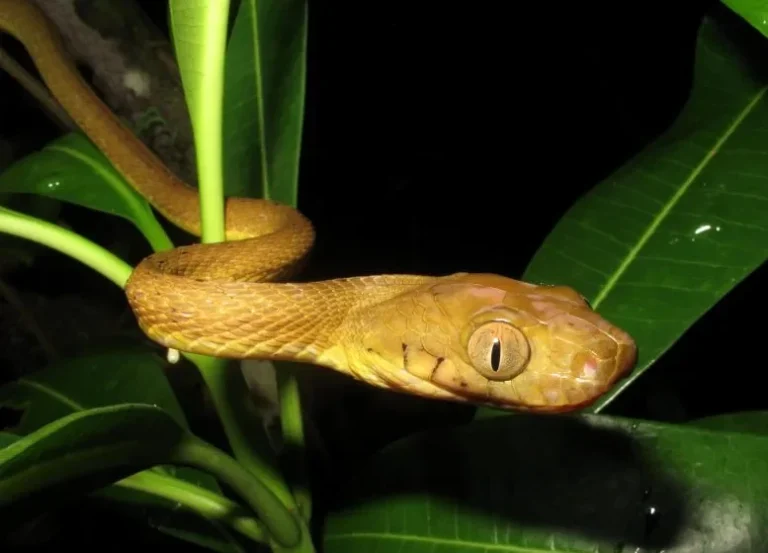
Brown snakes are an invasive species in Guam. Credit: Bjorn Lardner, United States Geological Survey.
Biology

Study Reveals Genetic Variation in Invasive Snakes of Guam

July 28, 2026July 28, 2026

A recent study led by the University at Buffalo revealed that brown snakes, an invasive species in Guam, possess greater genetic variation than previously thought, which may explain their success in colonizing the…
Read More Study Reveals Genetic Variation in Invasive Snakes of GuamContinue

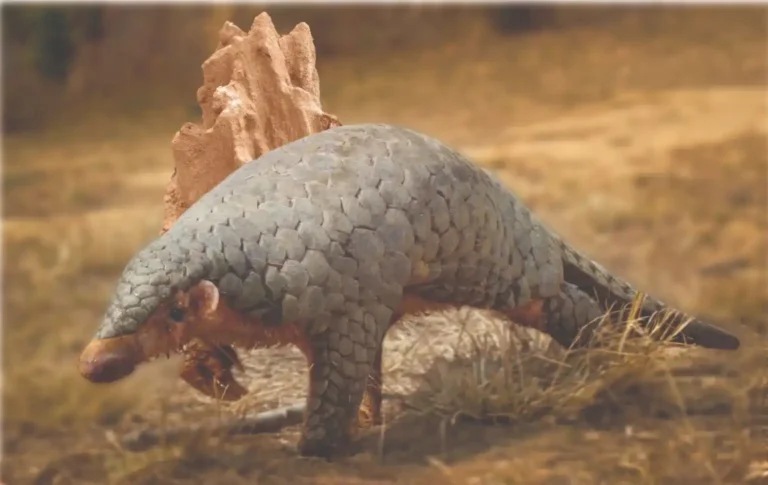
Manis aurita, the newly designated pangolin species. Credit: Tulshi Laxmi Suwal.
Biology

Study Confirms Manis aurita as a Distinct Pangolin Species

July 26, 2026July 26, 2026

A genetic analysis of a pangolin specimen collected nearly 190 years ago in the United Kingdom has confirmed the existence of a new species, Manis aurita. The discovery, published in the journal Communications…
Read More Study Confirms Manis aurita as a Distinct Pangolin SpeciesContinue

300,000-Year-Old Cave Reveals Prehistoric Human Life in Israel
Archaeology

300,000-Year-Old Cave Reveals Prehistoric Human Life in Israel

June 12, 2026June 12, 2026

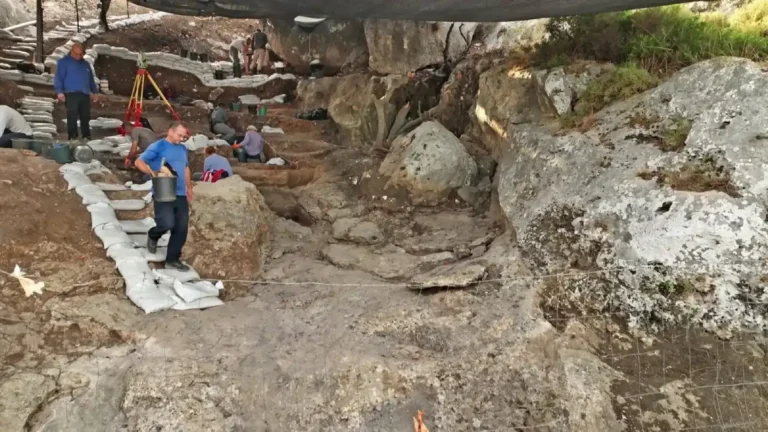
A rare prehistoric cave dating back approximately 300,000 years is being excavated near Fureidis, south of Haifa, Israel. Sealed for hundreds of thousands of years, the site offers researchers an unusual opportunity to…

Read More 300,000-Year-Old Cave Reveals Prehistoric Human Life in IsraelContinue

3,000-Year-Old Gold Necklaces Discovered in Romania
Archaeology

3,000-Year-Old Gold Necklaces Discovered in Romania

May 28, 2026May 28, 2026

Three gold necklaces estimated to be around 3,000 years old have been discovered in the Prahova region of Romania by a man using a metal detector in a remote area near the village…

Read More 3,000-Year-Old Gold Necklaces Discovered in RomaniaContinue

Chagyrskaya 64 molar showing the drilled cavity. Source: Zubova et al., 2026, PLOS One, CC-BY 4.0
Archaeology

Neanderthals Performed Dental Surgery 60,000 Years Ago

May 15, 2026May 15, 2026

A Neanderthal tooth discovered in Siberia has revealed what may be the oldest known evidence of deliberate dental surgery. Researchers identified a deep hole intentionally made in a molar dating back around 60,000…

Read More Neanderthals Performed Dental Surgery 60,000 Years AgoContinue

Close-up of cut marks on a fossil bone, produced by stone tools during butchering. Credit: Sharon Kuo.
Archaeology

Marks on 1.6-million-year-old bones reveal meat processing

May 13, 2026May 13, 2026

Cut marks on approximately 1.6-million-year-old bones discovered in northern Kenya indicate that early humans transported and processed meat in a planned manner, according to a study published in the scientific journal Proceedings of…

Read More Marks on 1.6-million-year-old bones reveal meat processingContinue

A ceramic artifact and other objects discovered by archaeologists in the Brazilian Amazon are estimated to be 3,000 years old. Credit: Jean Beltrão/Rede Amazônica.
Archaeology

3,000-Year-Old Archaeological Remains Found in Brazilian Amazon

May 9, 2026May 9, 2026

Archaeologists in Brazil have uncovered artifacts estimated to be more than 3,000 years old in the historic center of Parintins, a city in the Brazilian Amazon. Laboratory analyses identified Pocó-Açutuba ceramics, linked to…

Read More 3,000-Year-Old Archaeological Remains Found in Brazilian AmazonContinue

Page navigation

1 2 3 … 61 Next PageNext

Follow us:

X Facebook Instagram Threads

  • Privacy Policy
  • Terms of Use
  • About us
  • Contact

Copyright © 2025 Omni Letters ‧ All rights reserved.

  • Home
  • Tech
  • Space
  • Science
  • Health
  • Archaeology
  • Paleontology
  • About us
X Facebook Instagram Threads
Search