Seven new frog species have been identified in Madagascar.


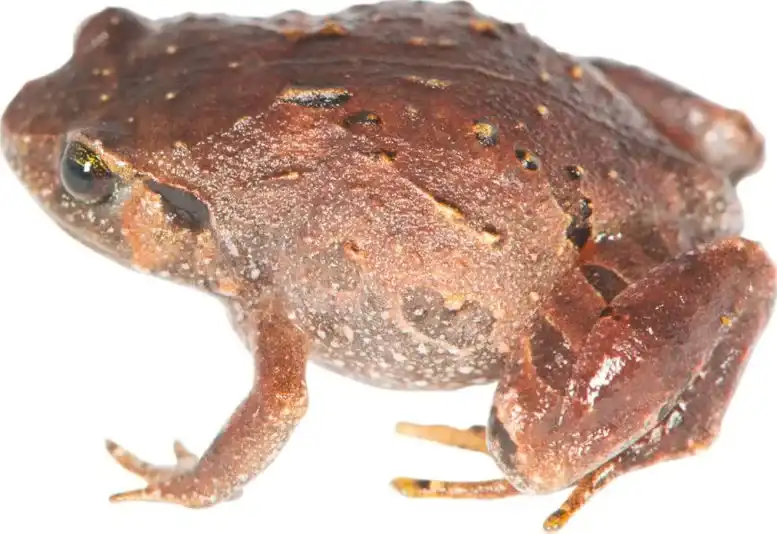
An international team of researchers has announced the discovery of seven new species of frogs in the genus Rhombophryne in Madagascar, revealing previously unknown diversity among these amphibians. The research, which spanned more than 12 years, highlights the importance of correctly identifying species for biodiversity conservation in the country.
Discovery of New Frog Species
The new frog species, known as diamond frogs, were identified following a series of expeditions that revealed the presence of previously undescribed amphibians. According to Dr. Mark D. Scherz, curator of Herpetology at the Natural History Museum of Denmark and lead author of the study, the difficulty in identifying these frogs is due to their secretive lifestyle beneath leaf litter and the morphological similarities between species.
Research Methods
The study used a combined approach that included field discoveries, analysis of museum specimens, and DNA sequencing. The use of museomics, which involves recovering DNA from historical specimens, was crucial in resolving taxonomic questions that had persisted for decades. Comparing genetic information with recently collected material made it possible to connect historical species names with their respective evolutionary lineages.
Importance for Conservation
Identifying these new species is essential for the conservation of Madagascar’s forests, which face significant threats from deforestation. Knowledge about the reproductive biology, population sizes, and ecological requirements of diamond frogs remains limited, making it difficult to assess their conservation status. Information obtained through the research is already influencing decisions regarding the protection of forest areas.
International Collaboration in the Study
The project involved collaboration between scientists and institutions from Madagascar and Europe, highlighting the importance of species research for conservation. During a protected-area planning workshop held in March 2026, the new species, including Rhombophryne quentini, were considered in proposals to strengthen and expand protected areas in the country.
The discovery of the seven new species brings the total number of recognized frogs in the genus Rhombophryne to 27. The researchers warn that many other unnamed species likely remain in Madagascar, awaiting formal description. For more information, the full study can be accessed using DOI: 10.3897/vz.76.e172567.