Insect Larvae Challenge Ocean Pressure Theory


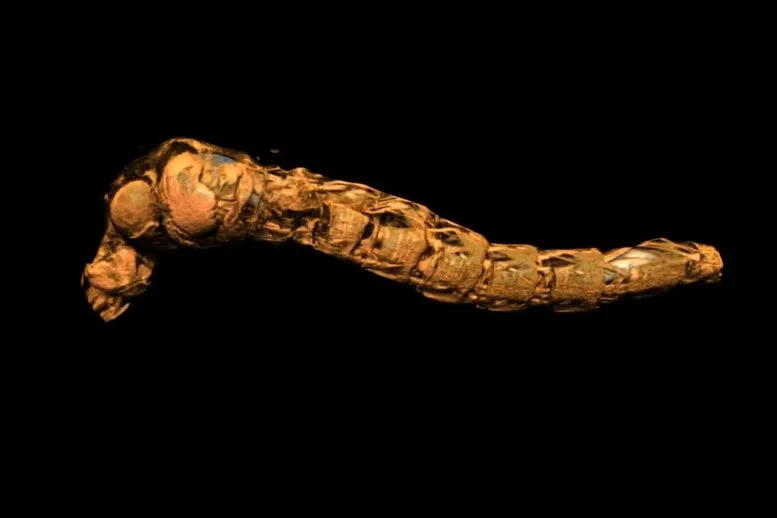
Researchers at the University of British Columbia (UBC) have discovered that Chaoborus edulis larvae, found in Lake Malawi, possess adaptations that allow them to dive to depths of more than 400 meters, challenging long-standing theories about the presence of insects in the ocean.
Discovery of Chaoborus edulis larvae
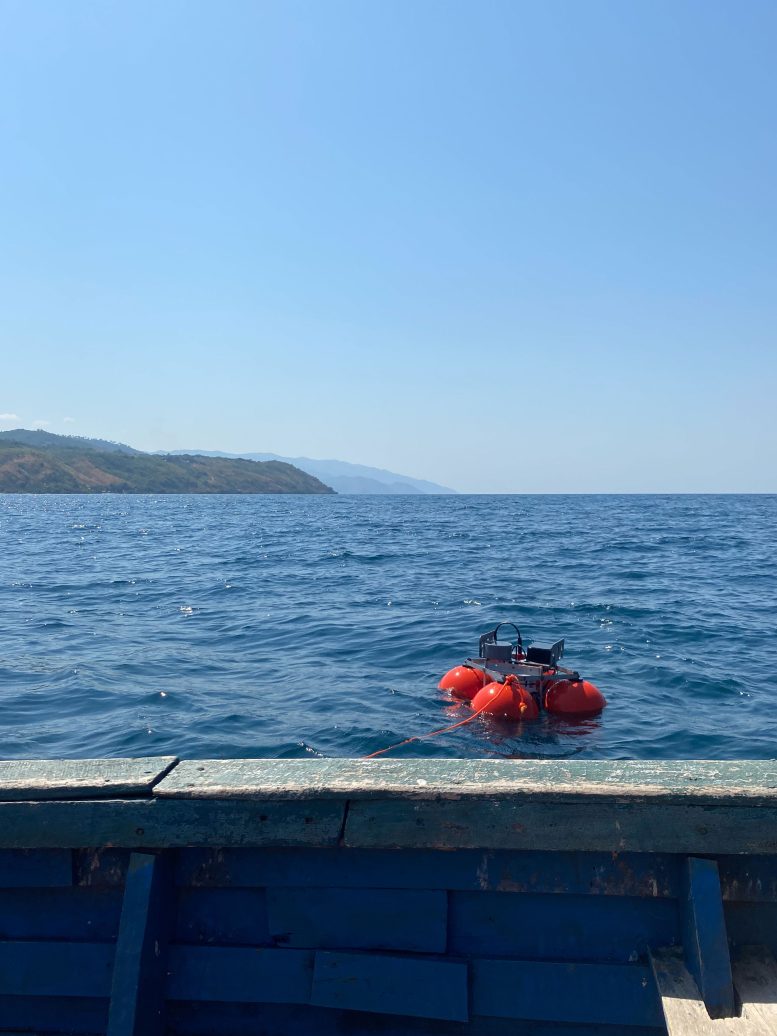
Chaoborus edulis larvae undertake daily migrations in Lake Malawi, descending to depths of up to 200 meters to avoid predators. At night, they return to the surface to feed. This routine of diving into low-oxygen zones reveals remarkable resilience, as billions of these larvae disappear into the lake’s depths every day.
Larval adaptation for deep dives
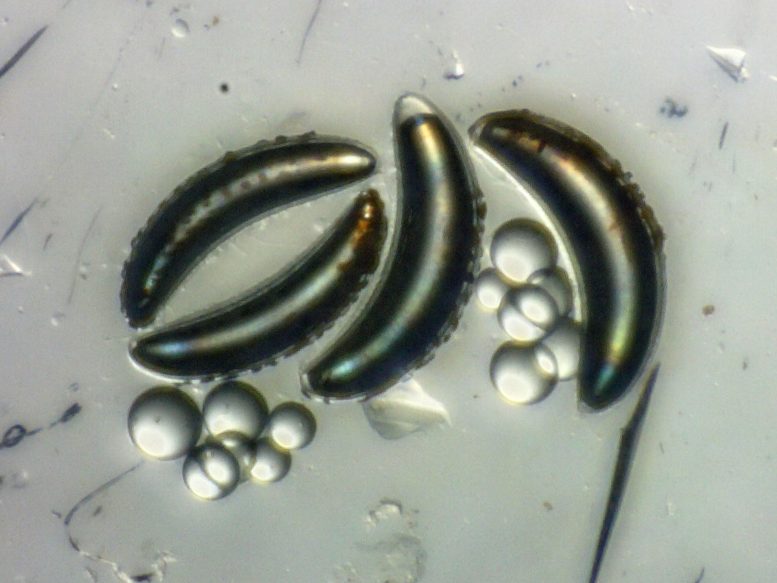
The researchers found that the larvae have developed two pairs of small air sacs that function as ballast tanks. These structures allow the larvae to control their buoyancy, making it easier for them to descend and ascend through the water. Analysis of the sacs revealed the presence of resilin, a material capable of changing its volume in response to pH changes, thereby adjusting the larvae’s buoyancy.
Air sac resistance under extreme conditions
Experiments conducted in pressure chambers showed that the larvae’s air sacs can withstand conditions equivalent to depths of more than 400 meters, far beyond what was previously believed possible for insects. This discovery challenges the theory suggesting that pressure in the deep ocean would be sufficient to collapse insects’ respiratory systems.
Implications for biology and smart materials
The study’s findings, published in the journal Science (DOI: 10.1126/science.aed0667), not only expand our understanding of insect biology in extreme environments but may also influence the development of smart materials. Resilin, which is being studied as a type of biological rubber, could be used in the creation of artificial muscles that respond to chemical stimuli.
Research on Chaoborus edulis larvae opens new avenues for the study of aquatic biology and the development of nature-inspired technologies, challenging long-established ideas about how organisms adapt to high-pressure environments.