Study Reveals Genetic Variation in Invasive Snakes of Guam


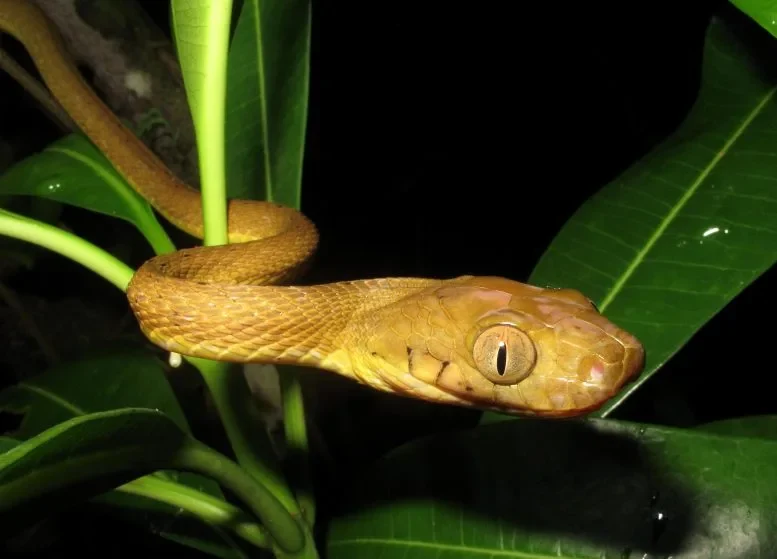
A recent study led by the University at Buffalo revealed that brown snakes, an invasive species in Guam, possess greater genetic variation than previously thought, which may explain their success in colonizing the island. The research, published in the journal Science Advances, provides new insights into species adaptation in adverse environments.
Brown snakes, native to Australia and the South Pacific, arrived in Guam after World War II, possibly as unwanted passengers on cargo aircraft. Since then, the species has caused the extinction of several native bird species and is responsible for hundreds of power outages annually. In some areas, population density can reach up to 30,000 snakes per square mile.
The study identified thousands of structural variants in the brown snake genome, including duplications, deletions, and rearrangements of DNA segments. These variations, concentrated in genes related to immunity and smell, may have been crucial to the survival of the population, which originated from a small number of individuals. The research suggests that genetic diversity, though not widely recognized, is more significant than previously believed.
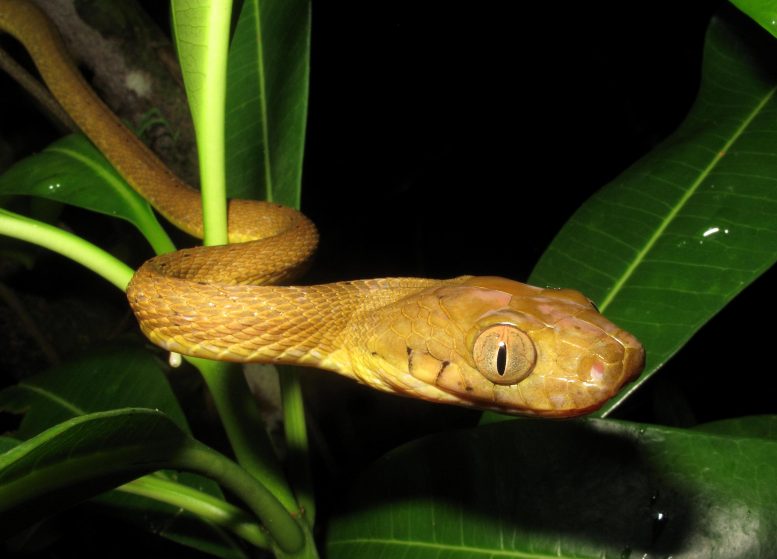
The study’s findings raise important questions for the conservation of endangered species. According to the researchers, the discovery of greater adaptive capacity in genetically inhibited populations may indicate that other at-risk species also possess unrecognized sources of genetic diversity. This could change the approach to conservation strategies, allowing for a greater focus on how these populations can adapt to environmental changes.
The research used long-range DNA sequencing technology, which enables the analysis of large sections of the genome, revealing structural variants that were not detectable by previous methods. This approach enabled a more comprehensive understanding of genetic diversity, highlighting the importance of technology in biological research. Access to DNA samples was facilitated by collaboration with the United States Geological Survey’s rapid response team, which works to control the spread of brown snakes.
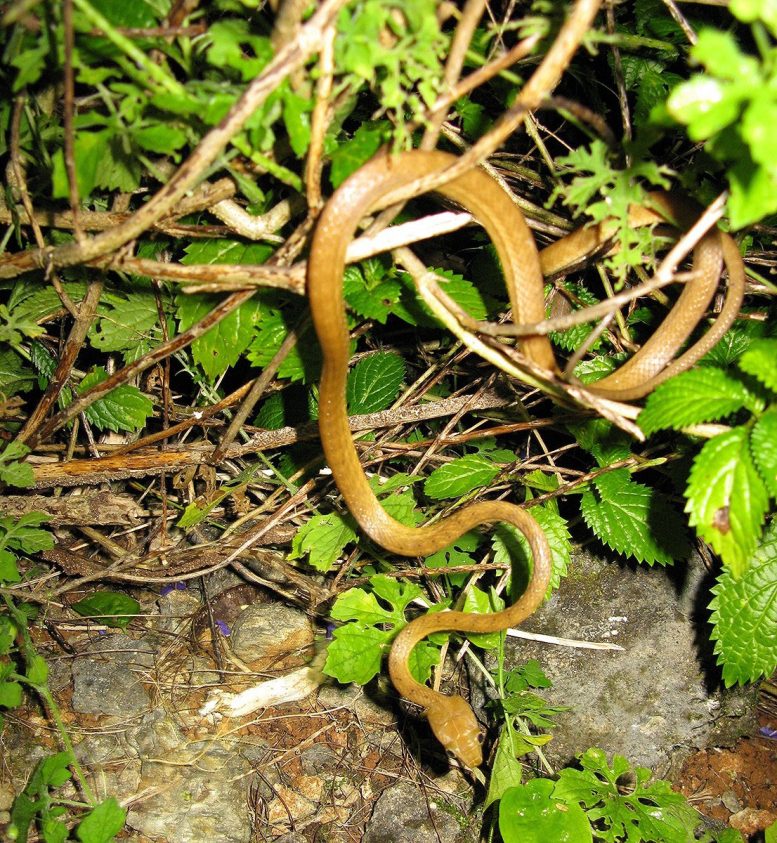
The study, which can be accessed in Science Advances, offers new insights into the genetic resilience of invasive species and their implications for conservation.