DNA Reveals the Complex Biological History of the Shroud of Turin


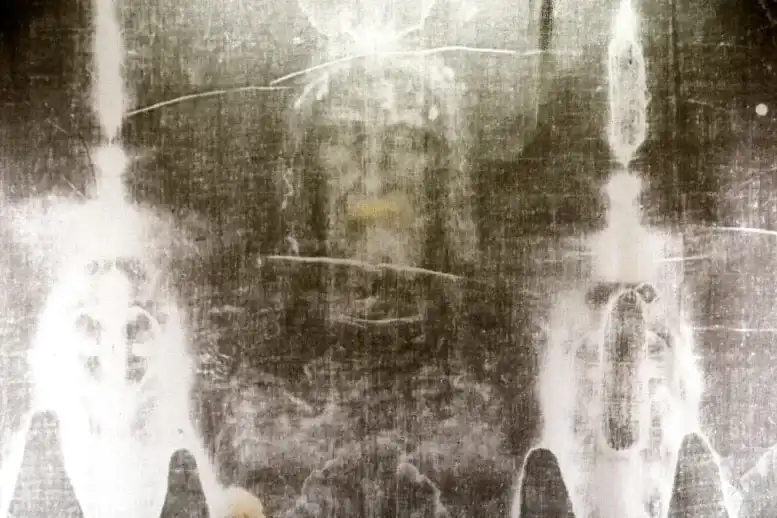
A new study has revealed the complex biological history preserved in traces of DNA found on the Shroud of Turin. Published in the journal Scientific Reports, the research used advanced genetic sequencing techniques to analyze samples collected from the cloth in 1978.
Genetic Analysis Reveals Biological Traces on the Shroud
Researchers applied next-generation metagenomic sequencing, which does not rely on PCR amplification, to examine fibers from the Shroud. This approach identified a wide range of biological material that had accumulated over the centuries, including human DNA and microorganisms, reflecting the cloth’s continuous interaction with both the environment and the people who came into contact with it.
Advanced Sequencing Methods Used in the Study
The researchers employed advanced sequencing techniques that enabled a deeper and more detailed analysis of the DNA present in the samples. This rigorous methodology made it possible to identify multiple human mitochondrial DNA lineages as well as a diverse microbiome, including bacteria and fungi adapted to saline environments.
Findings Highlight the Diversity of DNA Detected
The results revealed the presence of genetic material from cultivated plants, including wheat and carrots, as well as DNA from domesticated animals such as cattle and dogs. These findings suggest that the Shroud has a rich history of handling and transport across different regions and cultures over the centuries.
Implications of the Research for the Shroud’s History
Although the data do not confirm the Shroud’s authenticity or determine its age or origin, they provide new insights into its biological history. The study, led by Noemi Procopio of the University of Central Lancashire, demonstrates how forensic genomics can uncover aspects of the biological past of historical artifacts, contributing to a deeper understanding of their cultural and historical significance.

The analysis of DNA traces from the Shroud of Turin not only expands our understanding of the artifact but also demonstrates the potential of advanced sequencing technologies in the investigation of historical objects. For more details, the full study is available in Scientific Reports.