Study Reveals Neolithic Arrows with Geometric Markings in Turkey


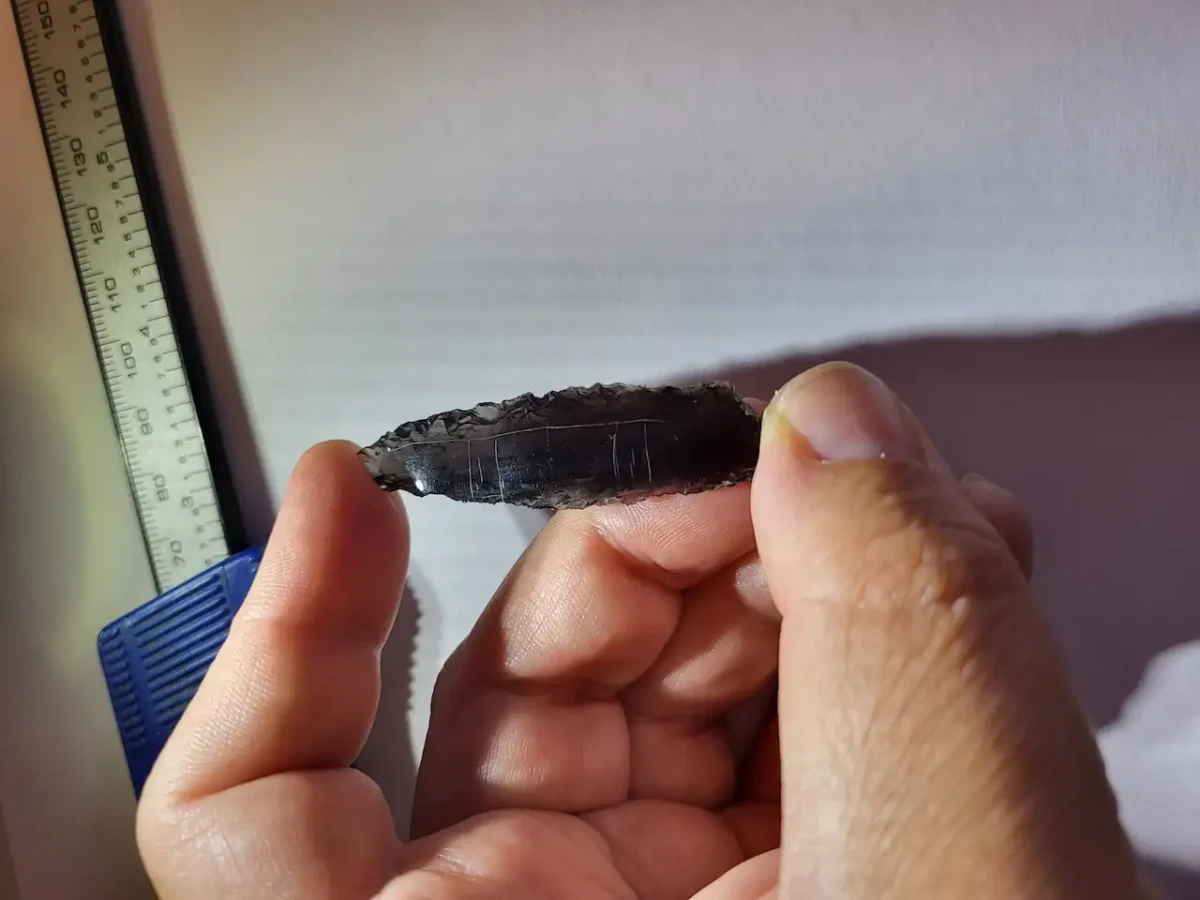
An archaeological study conducted by a team of French and Turkish researchers has revealed the discovery of twelve obsidian arrows bearing intentional incisions at the Neolithic site of Tepecik-Çiftlik, in Turkey’s Cappadocia region. Dating from between 7100 and 6100 B.C., the artifacts display rare characteristics that may indicate specific cultural practices of the period.
Discovery of Obsidian Arrows at Tepecik-Çiftlik
The twelve obsidian arrows were identified among a total of 740 artifacts recovered at the site. They account for just 1.6% of the total, highlighting the rarity of these pieces. The research, led by Alice Vinet and Denis Guilbeau, was published in the journal PLOS ONE.
Analysis of the Incisions and Their Rarity
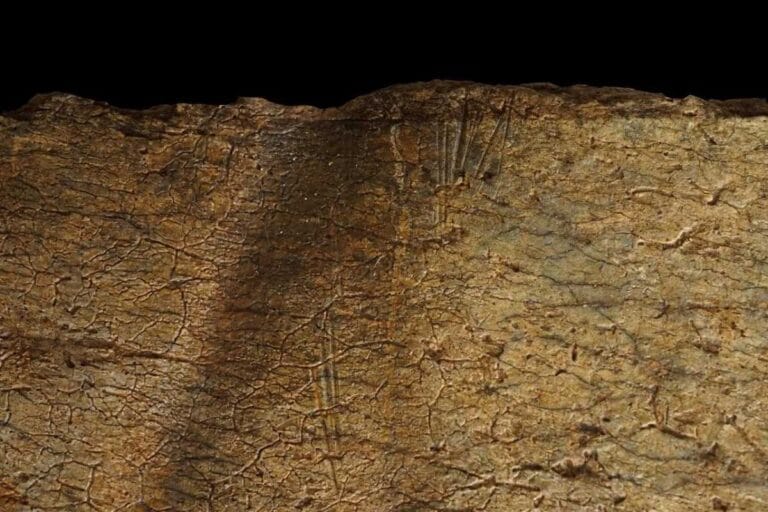
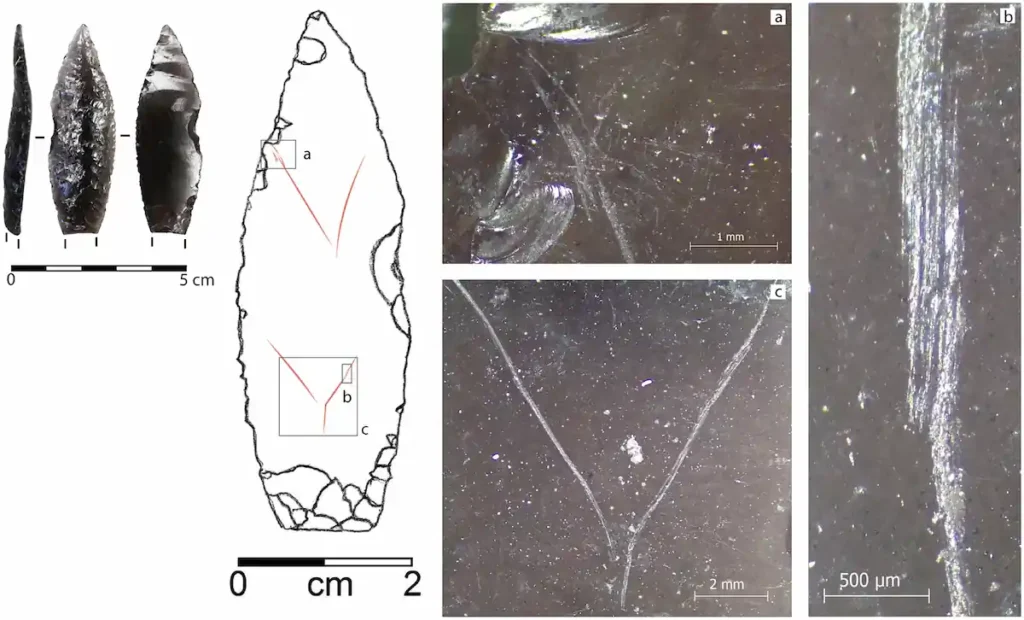
The incisions on the arrows do not follow a fixed pattern, varying in design and timing. Some were made before the final finishing process, while others were added later. The markings include simple crosses, wavy lines, and more complex compositions, such as V-shaped motifs, squares, and rectangles. None of the designs are exactly repeated among the artifacts.
Geographic Distribution and Cultural Practices
The distribution of incised arrows is limited to seven sites in Central Anatolia, with a total of 54 documented examples. The practice spans from the Pre-Pottery Neolithic to the Late Neolithic, covering more than a thousand years. The research suggests that the absence of incised arrows outside the region points to specific cultural practices rather than the availability of the material.
Manufacturing Methods and Tools Used
The incisions were made using flint tools, a material harder than obsidian. Replication experiments showed that obsidian can only be incised with a material of greater hardness on the Mohs scale. Although flint tools are scarce at the site, their use for making the incisions was confirmed.
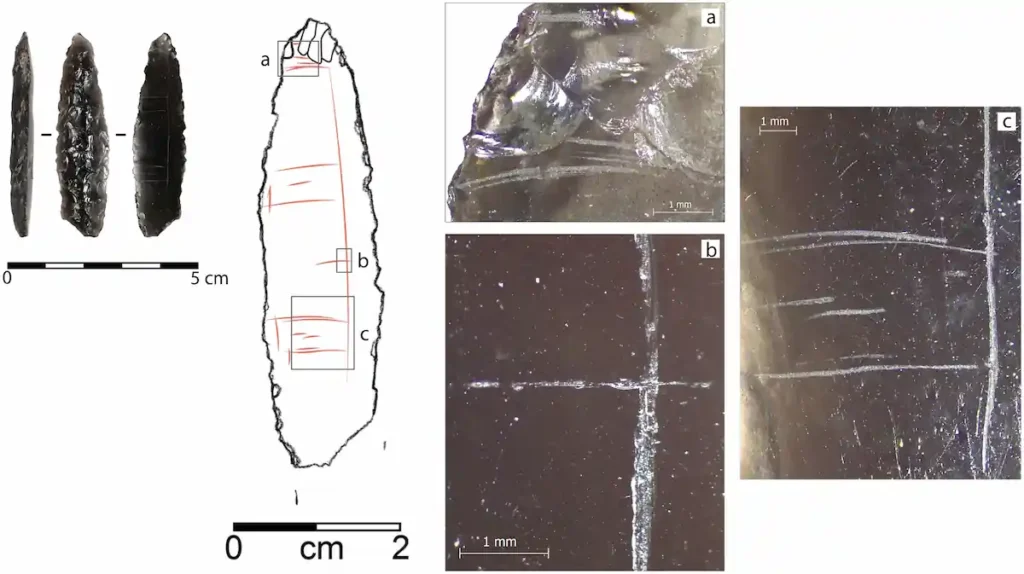
Research on the Tepecik-Çiftlik arrows contributes to our understanding of Neolithic cultural practices in Central Anatolia, revealing the complexity of the social and technological interactions of the period.