Marks on 1.6-million-year-old bones reveal meat processing


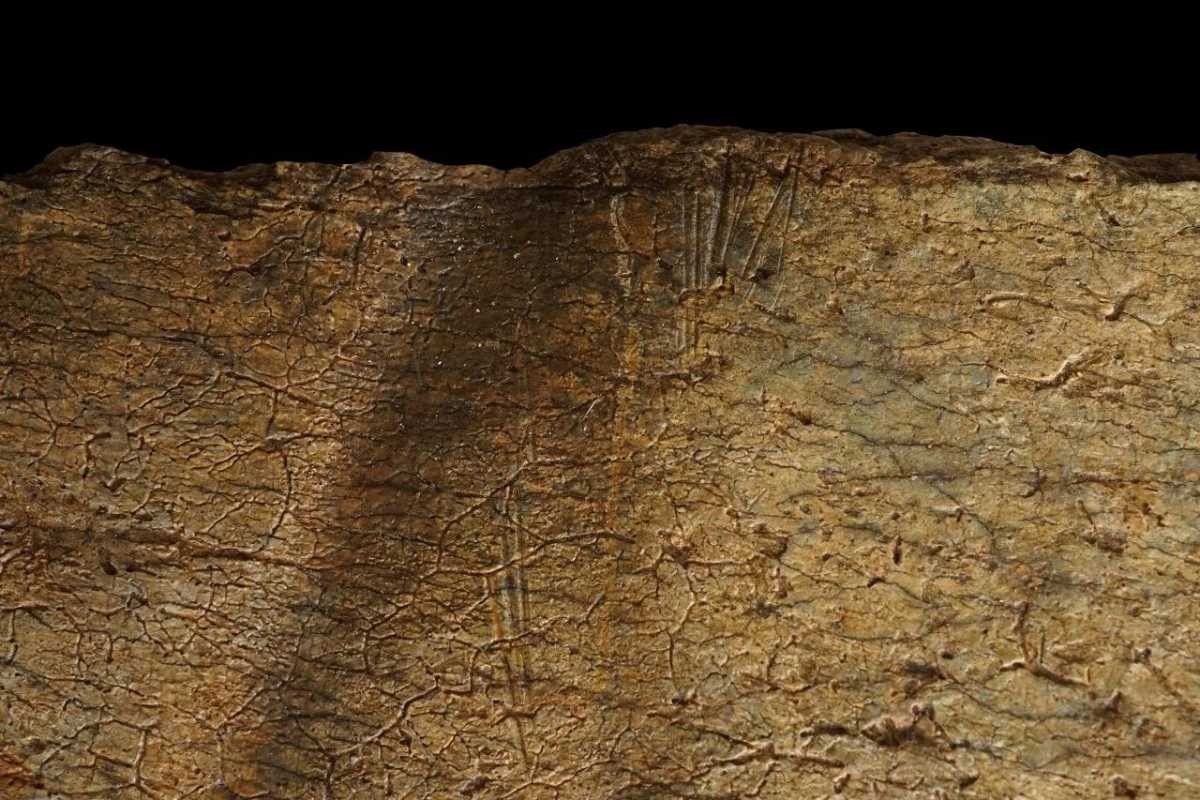
Cut marks on approximately 1.6-million-year-old bones discovered in northern Kenya indicate that early humans transported and processed meat in a planned manner, according to a study published in the scientific journal Proceedings of the National Academy of Sciences. The research strengthens the hypothesis that these groups did not act merely as occasional scavengers, but followed consistent food acquisition strategies.
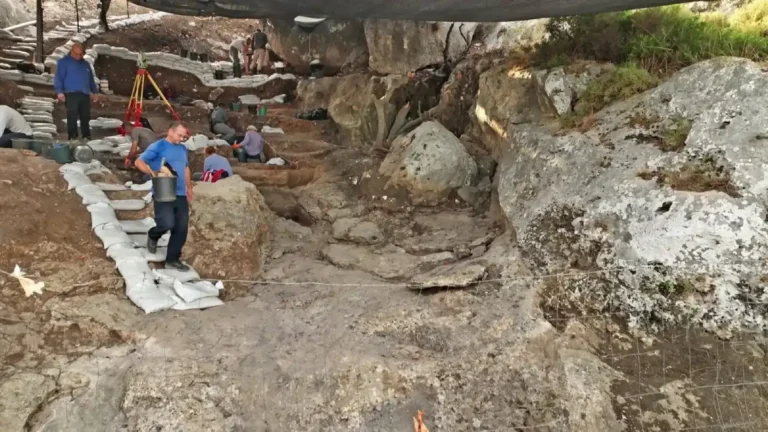
The study analyzed animal fossils from the archaeological site of FwJj 80, located in the Koobi Fora Formation, one of the most important regions for the study of human evolution in East Africa. The site preserves evidence of hominins, animals, and ancient environments dating back to the Plio-Pleistocene period.
The researchers examined more than a thousand fossilized bones, mainly from antelopes and other herbivorous animals. Using microscopic magnification, the team identified small marks produced by stone tools and impacts from stone hammers used in the slaughtering and processing of carcasses.
Carnivore tooth marks appeared less frequently, suggesting limited involvement of predators in modifying the recovered remains.
The most evident cut marks were concentrated on leg bones, areas containing large amounts of meat. According to the authors, this indicates that the hominins had early access to the carcasses, before large carnivores consumed the animals.
The researchers also found broken long bones bearing impact marks associated with bone marrow extraction. Marrow represented a concentrated source of fat and calories, considered important for meeting the energy demands of the genus Homo during brain expansion throughout evolution.
The composition of the fossil assemblage also provided clues about the behavior of these groups. Leg bones were far more common than skulls, ribs, and vertebrae. According to the scientists, this suggests that the animals were not consumed at the site of death. Instead, the most nutritious parts were selected and transported to other locations.
The team proposes that the hominins carried the best cuts of meat to safer areas, possibly near rivers or dense vegetation, reducing the risk of confrontation with large predators while processing the food.
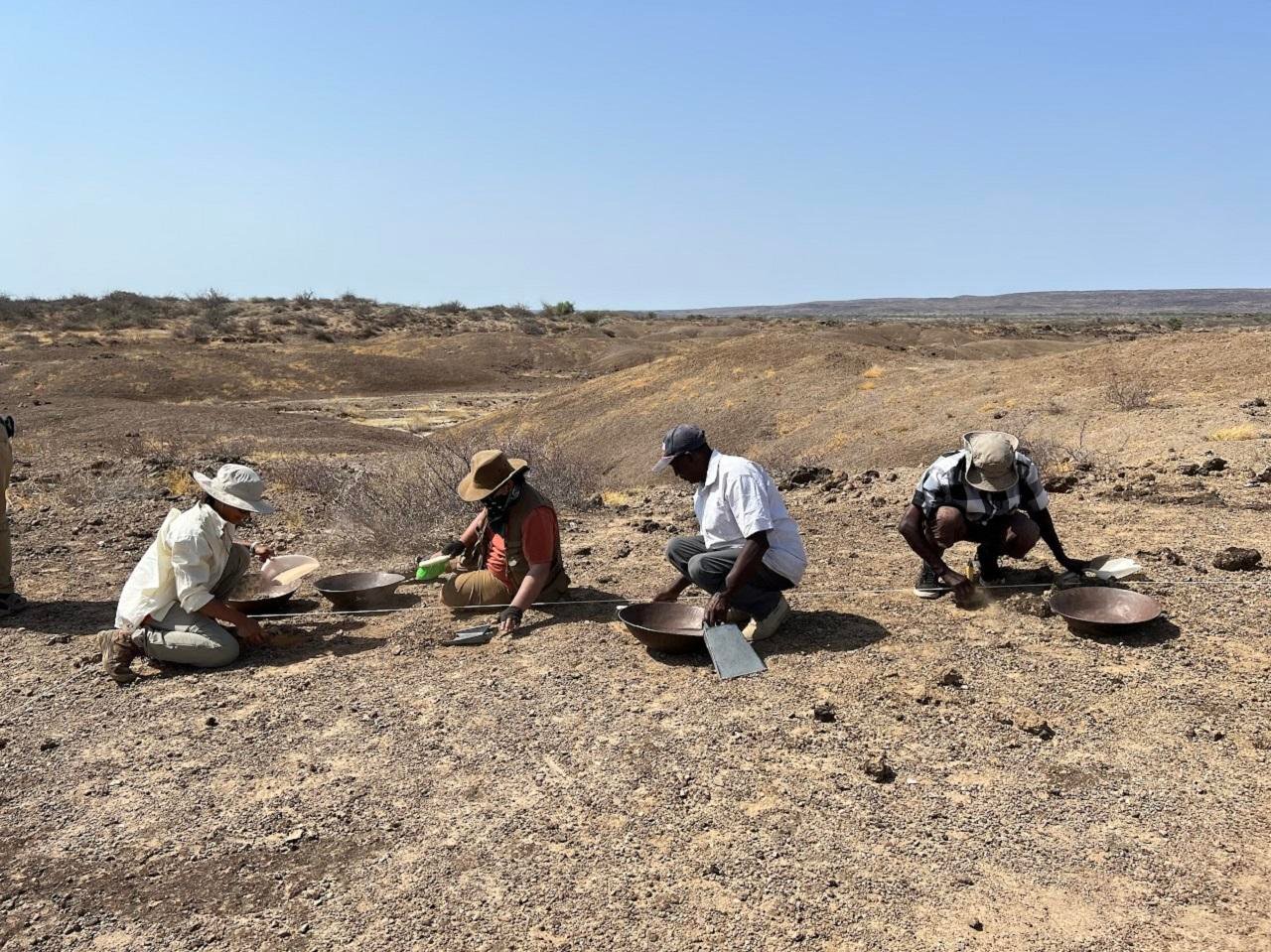
The FwJj 80 site belongs to the KBS Member of the Koobi Fora Formation, dated to between approximately 1.87 million and 1.56 million years ago. Although the region has already yielded important hominin fossils, earlier layers from this period rarely preserved bone assemblages complete enough for detailed analyses of butchering and meat transport.
The findings show similarities to evidence discovered in more recent deposits from the same region, especially in the so-called Okote Member, dated between 1.56 million and 1.38 million years ago. In both cases, similar patterns of early access to carcasses, transport of limbs, and marrow extraction were identified.
The researchers also compared FwJj 80 with two other East African archaeological sites: FLK Zinj, in Tanzania, dating to about 1.84 million years ago, and Kanjera South, in Kenya, dated to approximately 2 million years ago. Despite environmental differences between the regions, early humans repeated similar strategies for acquiring and processing food.
At the time, Koobi Fora combined open savanna areas with wet regions covered by dense vegetation. The persistence of these behaviors across distinct environments suggests that early Homo developed a stable dietary strategy that remained adaptable to changes in the ancient African landscape.
According to the authors, frequent access to meat and marrow may have contributed to important transformations in human evolution, providing high-quality calories and encouraging more organized forms of cooperation and food sharing.