Discovery reveals a set of 1,500-year-old knives in Türkiye


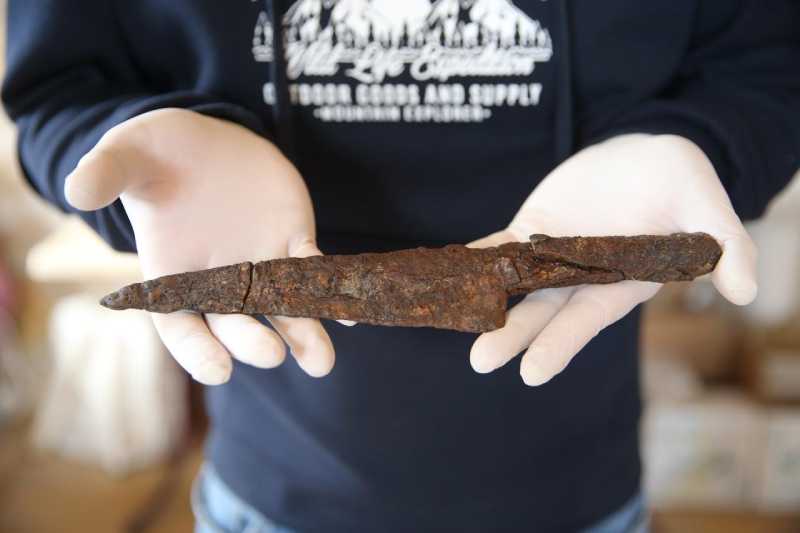
A recent archaeological discovery in the ancient city of Hadrianopolis, located in northern Türkiye, has brought to light a set of knives approximately 1,500 years old, offering new clues about daily life during the Late Roman and Early Byzantine periods.
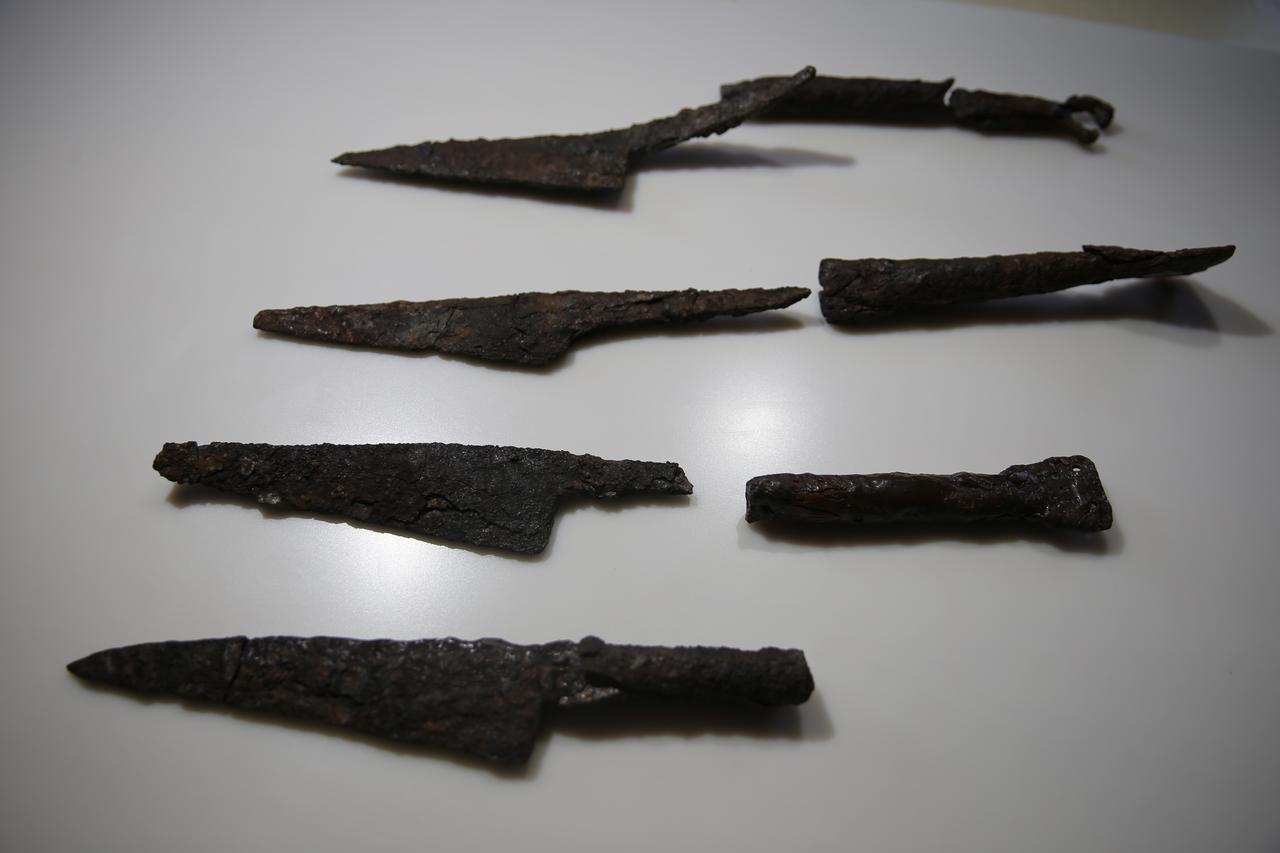
The find was made during excavations in the Eskipazar district, in the province of Karabük, under the coordination of Professor Ersin Çelikbaş of Karabük University. According to the researchers, the assemblage includes four iron knives and a whetstone, found together in an area identified as part of a kitchen within what is known as the Bath Structure Complex.

Knives reveal everyday habits
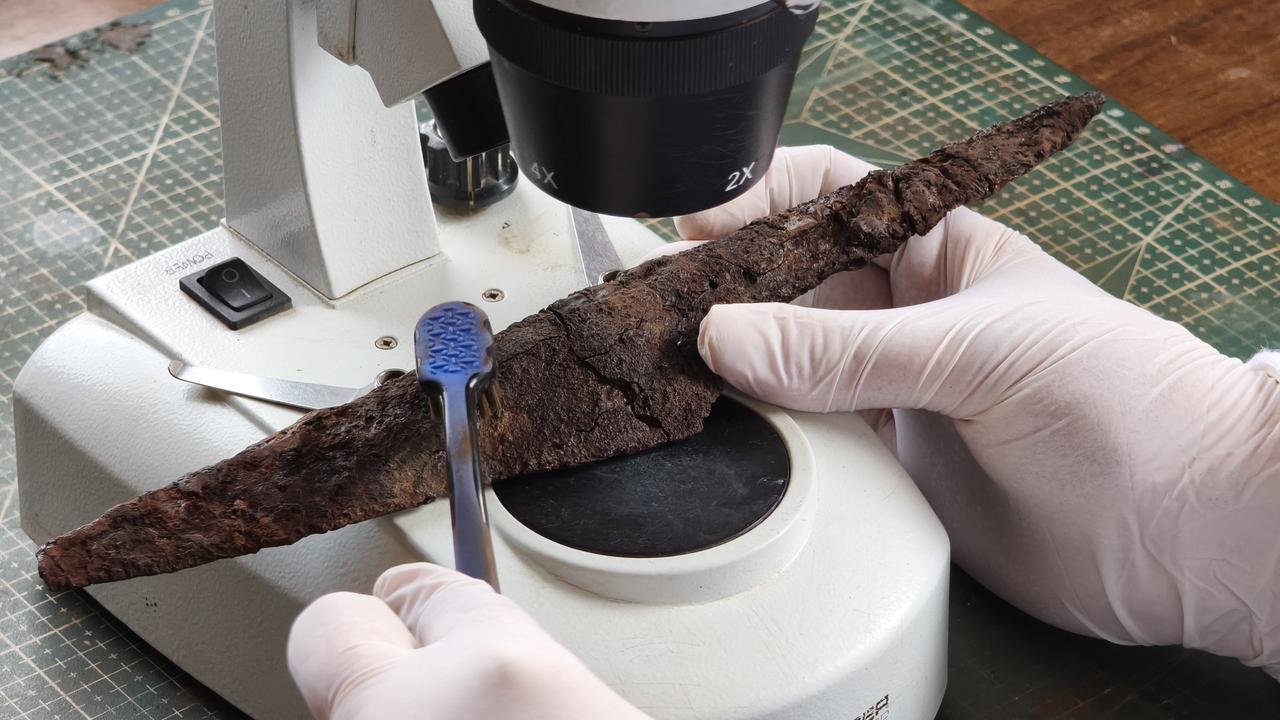
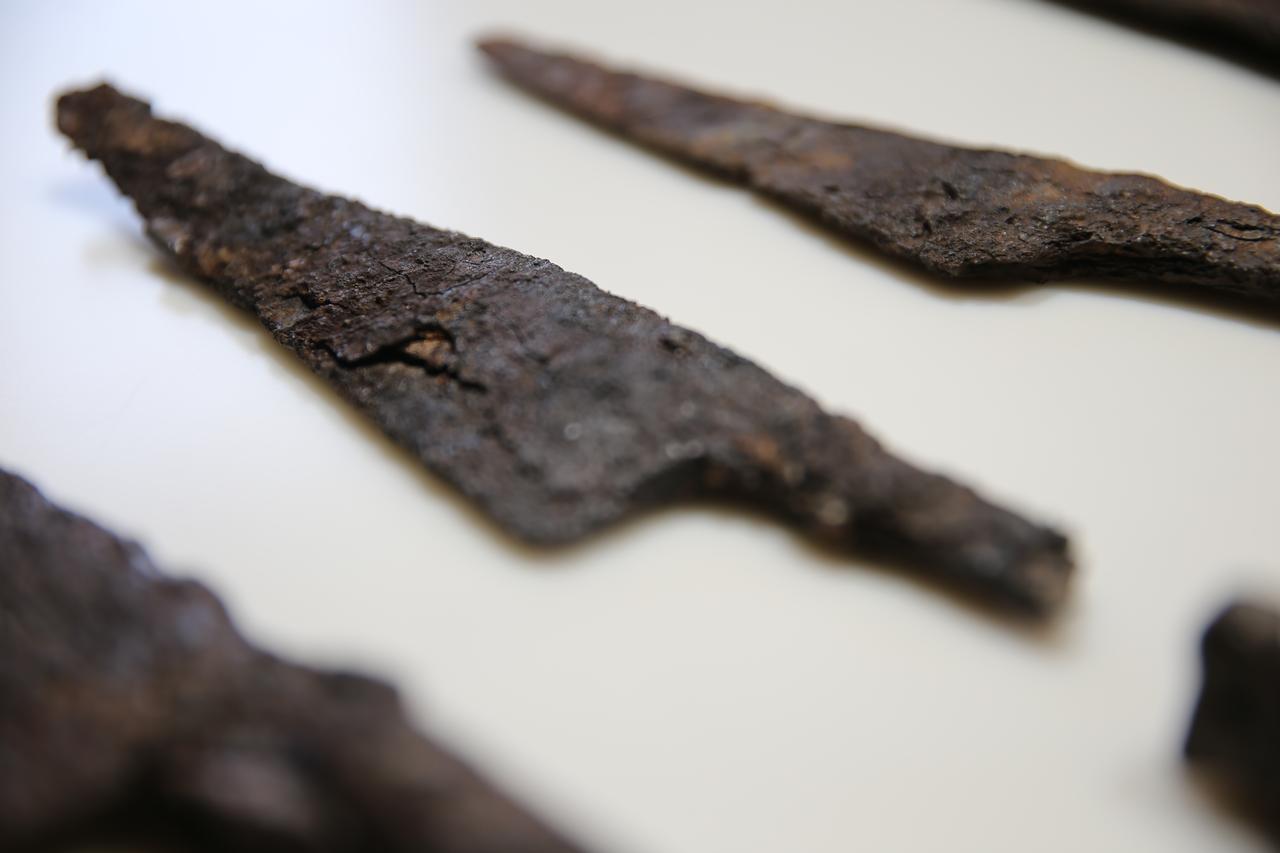
The fact that the objects were discovered in the same location suggests they were used together, most likely in domestic activities. Initially found in fragments, the knives underwent a laboratory restoration process, allowing specialists to reconstruct their original shapes.
According to Ersin Çelikbaş, although the knives vary in size, they share similar characteristics, making them especially valuable as a complete set rather than as isolated artifacts.
The presence of these utensils in a kitchen reinforces the idea that they were directly linked to daily tasks, such as food preparation and animal handling—common practices in communities of the time.
Evidence of animal husbandry
Archaeologists emphasize that the discovery strengthens earlier evidence that animal husbandry was a predominant activity in the region during the 5th and 6th centuries AD. The location of the knives suggests that residents of the complex were involved in livestock-related tasks, such as slaughtering and meat processing.
This context is particularly important for understanding the social and economic organization of ancient Hadrianopolis. The presence of specialized tools points to a structured routine and an economy based on local resources.
Whetstone expands historical understanding
Another significant element found alongside the knives was a whetstone, known locally as “kosure tasi.” This type of tool was used to sharpen blades and other cutting instruments.
According to the researchers, the discovery of this stone is especially significant because it indicates that its use in the region may be much older than previously thought. Until now, there were only records of this material being extracted during the Ottoman period, centuries later.
This finding suggests a continuity of cultural and technological practices, demonstrating that tool maintenance techniques were already being employed in the region more than a millennium ago.
Dating confirms millennial origin
The dating of the artifacts was carried out based on stratigraphy, a method that analyzes the soil layers in which the objects were found. This type of analysis allowed researchers to place the set of knives between the 5th and 6th centuries AD.
This discovery not only expands our understanding of life in Hadrianopolis, but also reinforces the idea that practices such as animal husbandry and the use of specialized tools remained relatively consistent in the region for approximately 1,500 years.
Importance for archaeology
The set of knives is considered a rare find from a methodological standpoint, as it was discovered intact and within a well-defined context. This allows for a more precise interpretation of its use and historical significance.
For archaeologists, discoveries like this are essential for reconstructing aspects of daily life that are often not recorded in historical texts. Simple objects, such as knives and whetstones, can reveal valuable details about the habits, economy, and technology of ancient civilizations.
With excavations still ongoing, researchers believe that new findings in Hadrianopolis may provide even more information about the region’s past and its connections to the Roman and Byzantine worlds.