Hiker Finds Rare 6th-Century Gold Artifact in Norway


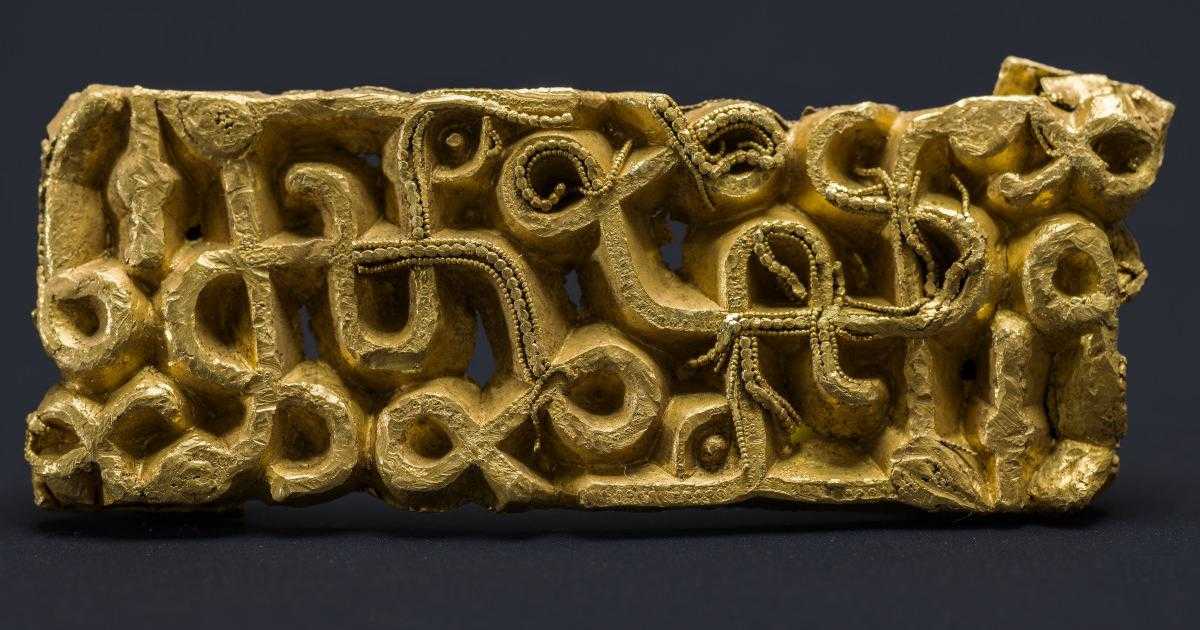
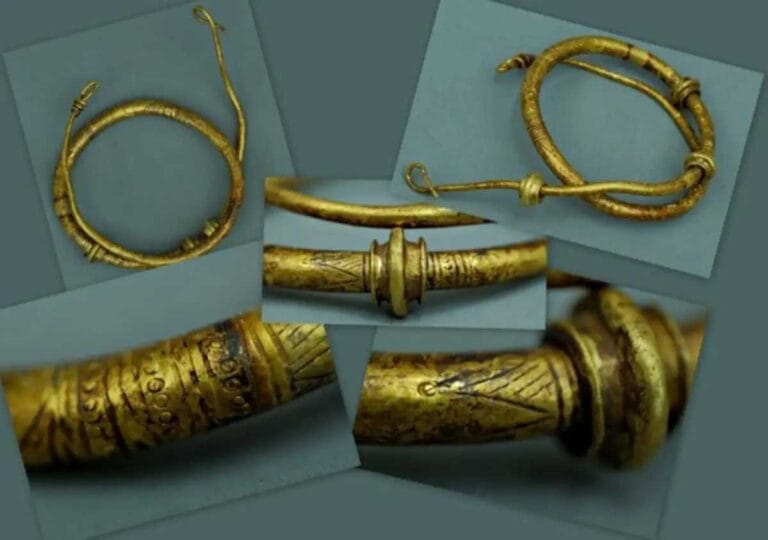
A hike in the Dalsnuten region, near the city of Sandnes in southwestern Norway, led to the discovery of a rare gold ornament used on sword scabbards around 1,500 years ago. The object was found by a local resident beneath a fallen tree and, according to archaeologists, is the first example of its kind ever identified in the Rogaland region.
Experts from the Museum of Archaeology, University of Stavanger confirmed that the piece belongs to an extremely rare group of ornaments from the Migration Period. Only 17 similar examples had previously been discovered across Northern Europe.
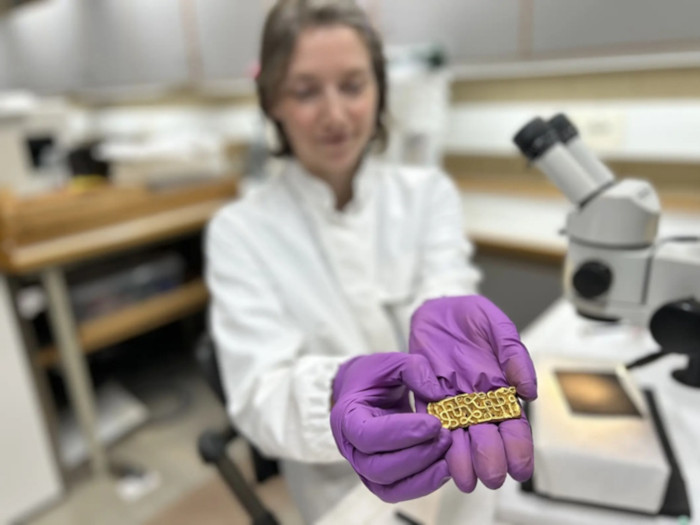
The artifact measures about six centimeters wide, weighs 33 grams, and features intricate gold filigree details — an ornamental technique created with fine, interwoven metal threads. The analysis was conducted by archaeologist and retired professor Siv Kristoffersen, who described the object as one of the most sophisticated works produced during the first half of the 6th century.
According to the researchers, the decoration depicts animal figures facing one another. The artistic motif belongs to the so-called “Animal Style I,” a style that spread across northern and western Europe during the Migration Period, a time marked by political instability and large-scale population movements.
Archaeologist Håkon Reiersen, an associate professor at the Museum of Archaeology, University of Stavanger, said that discoveries of this kind are uncommon. The hiker himself reported noticing a glimmer while stirring a pile of soil with a branch beneath the tree.
Unlike other similar ornaments found in Scandinavia, the piece shows clear signs of wear. Researchers believe this indicates that the object was regularly used as a symbol of authority and social status.
Archaeologists link the discovery to the Hove site, an ancient farming complex located in the Austrått district of Sandnes. The area had already yielded other gold objects during previous excavations and is considered one of the main centers of power in the ancient Jæren region.
Håkon Reiersen believes the ornament may have been deliberately buried as a ritual offering. According to him, the sword’s owner likely belonged to the local elite and led a group of warriors during the first half of the 6th century.
The discovery also strengthens theories about religious practices adopted during a period of climatic crisis in the Northern Hemisphere. In 536 AD, a major volcanic eruption released ash into the atmosphere, triggering years of severe cooling, crop failures, and population decline across parts of Scandinavia. Outbreaks of bubonic plague also struck Europe around the same time.
Researchers believe that valuable objects buried during this period — including gold ornaments and decorated weapons — were offered to the gods in search of protection against natural disasters and social instability.
The artifact will undergo further study before being displayed at the Museum of Archaeology, University of Stavanger.