Study reveals brain connection between Tourette syndrome and obsessive-compulsive disorder


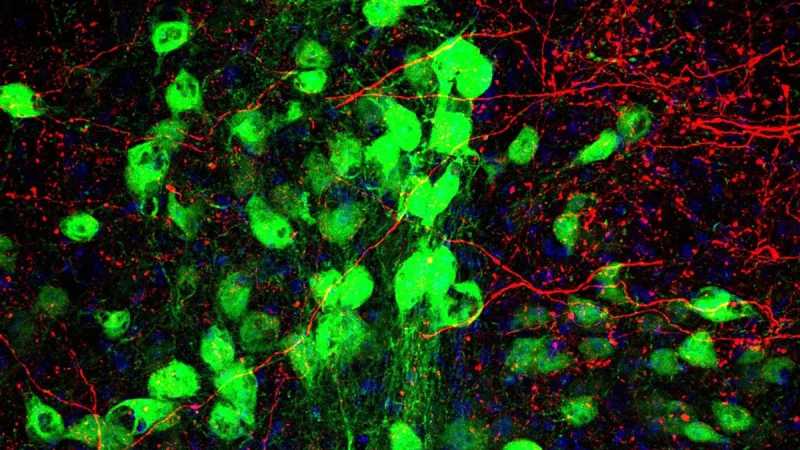
A study conducted by researchers at Kobe University in Japan has identified a neural connection between brain regions that may explain the overlap between Tourette syndrome and obsessive-compulsive disorder (OCD). The research, published in the journal Cell Reports, uses a mouse model to investigate the brain circuitry related to the involuntary movements characteristic of the syndrome.
Discovery of a neural connection between brain regions
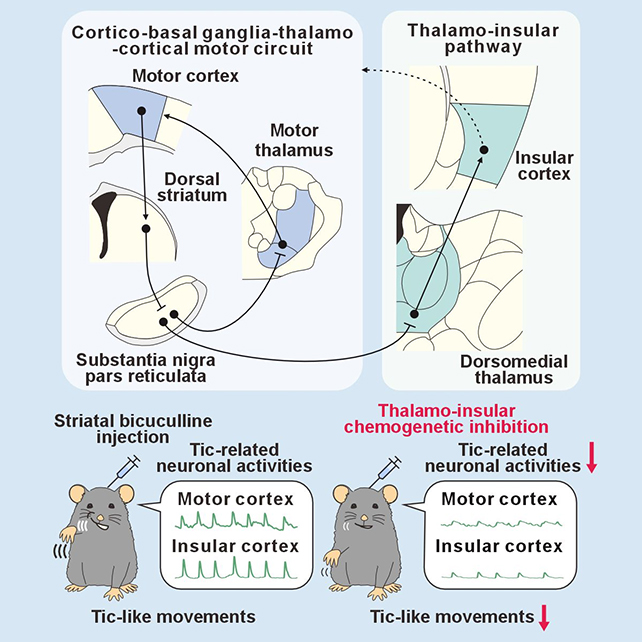
Researchers have identified an active pathway linking the basal ganglia, a central region for movement control, to the insular cortex, which plays a crucial role in emotional processing. This connection runs through the thalamus, specifically via the intralaminar nuclei of the thalamus, which are responsible for directing neuronal activity.
Impact of the research on the treatment of Tourette syndrome and OCD
The identification of this neural pathway may have significant implications for the treatment of Tourette syndrome and OCD. The researchers tested the connection using a drug that blocks the link between the thalamus and the insular cortex, resulting in a reduction in tic intensity in mice. This finding suggests that manipulating this pathway could offer new therapeutic approaches.
Underlying mechanisms of neuropsychiatric conditions
The study also sheds light on the underlying mechanisms connecting Tourette syndrome and OCD. Previous research had already indicated that the insular cortex is associated with OCD, but the circuitry responsible for transmitting disrupted motor signals had not been clearly established. The new discovery suggests that abnormal activity in this region may contribute not only to motor symptoms but also to premonitory urges and comorbid psychiatric disorders.
Future perspectives for therapeutic interventions
With an expanded understanding of neural circuitry, researchers are envisioning new possibilities for therapeutic interventions. Deep brain stimulation of the thalamus is already used to treat severe cases of Tourette syndrome, but the reasons for its effectiveness were not fully understood. The current research may contribute to the development of more targeted and effective treatments, improving the quality of life of patients affected by these conditions.
The discovery of neural connections between Tourette syndrome and OCD represents a significant advance in understanding neuropsychiatric conditions. As more research is conducted, it is expected that new therapeutic strategies may emerge, offering hope for those affected by these disorders.
Source: sciencealert.com