
Mexico Announces the Discovery of a Millennia-Old Zapotec Tomb


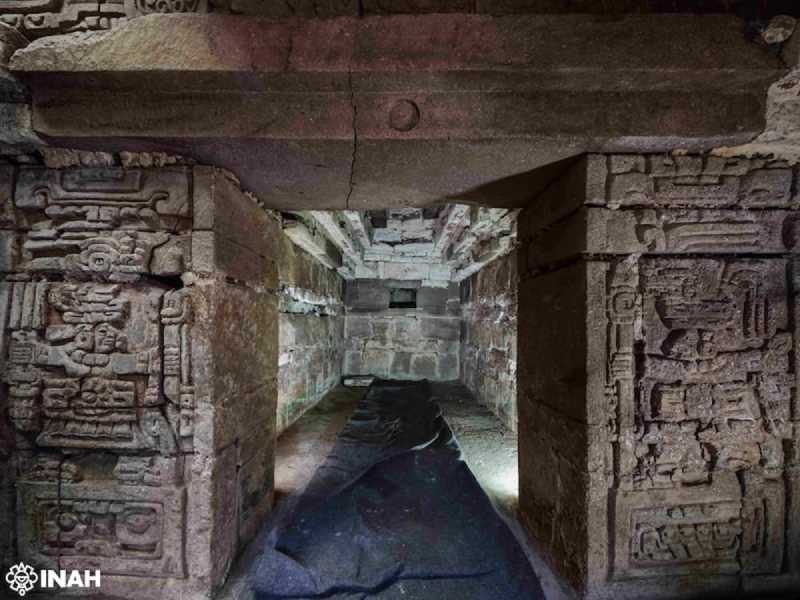
Mexico’s President Claudia Sheinbaum Pardo announced on Friday (23) the most significant archaeological discovery in the country over the past ten years: a Zapotec tomb dating back to AD 600, uncovered by the Ministry of Culture through the National Institute of Anthropology and History (INAH).
During a press conference, the president emphasized that the find stands out for its excellent state of preservation and the wealth of historical information it provides.
“It is the most relevant archaeological discovery of the last decade in Mexico, both because of its level of preservation and the knowledge it contributes,” Sheinbaum stated, noting that it is compelling evidence of the millennia-old greatness of Mexican civilization.
The tomb is located in the Central Valleys of the state of Oaxaca and features great architectural and pictorial richness, providing valuable data on social organization, funerary rituals, and the Zapotec worldview—one of the most important pre-Hispanic cultures of Mesoamerica.
On social media, the Secretary of Culture, Claudia Curiel de Icaza, described the discovery as exceptional. According to her, the complex remarkably preserves fundamental aspects of Zapotec culture, expressed through architecture and mural painting. “A compelling example of Mexico’s millennia-old greatness, which today is being studied, protected, and shared with society,” she wrote.
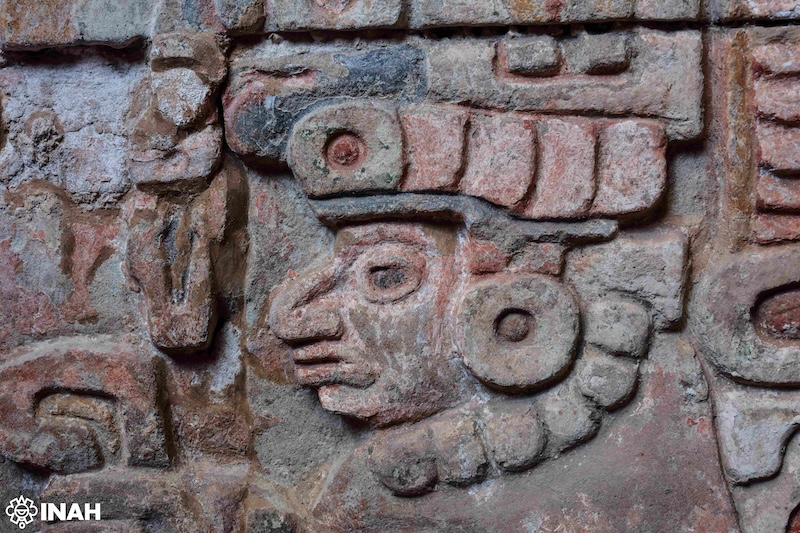
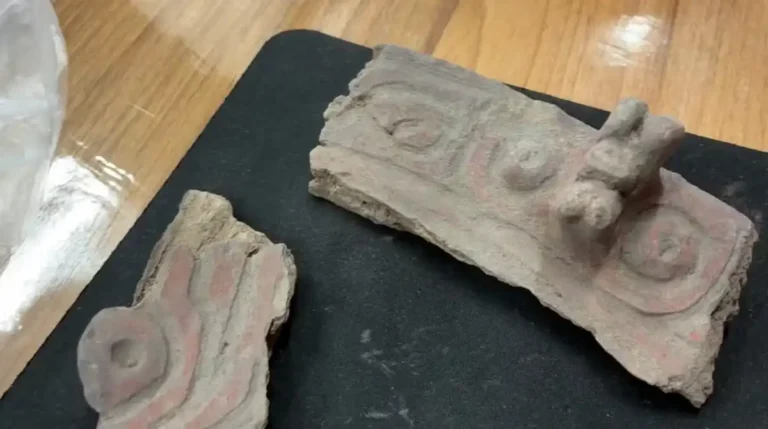
The site stands out for the presence of sculptural elements and mural paintings, including symbolic representations associated with power and death. Friezes and slabs with calendrical inscriptions further underscore its importance, placing the tomb among the most significant discoveries in the nation’s archaeological heritage.
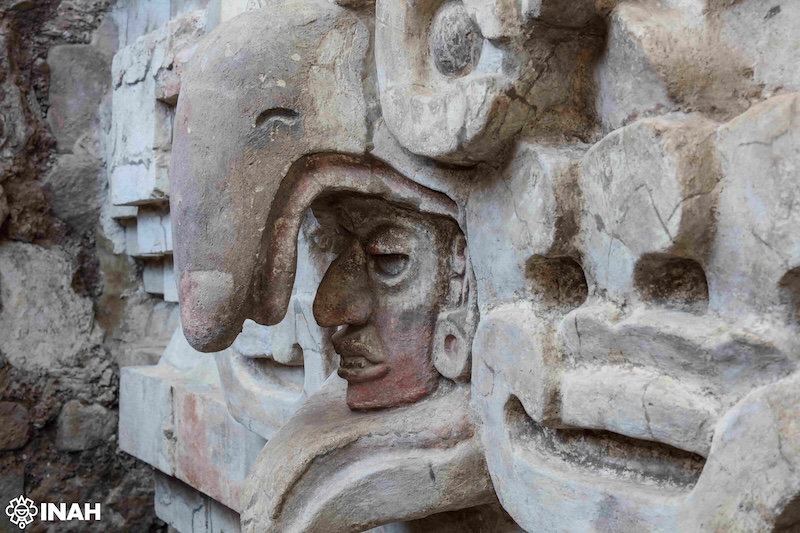
At the entrance to the antechamber, an owl—an animal that in the Zapotec worldview symbolizes night and death—adorns the site. Its beak covers the stuccoed and painted face of a Zapotec lord, possibly a portrait of the ancestor to whom the tomb was dedicated, regarded as an intercessor between his descendants and the deities.
Access to the tomb is marked by a lintel with a frieze made up of stone slabs engraved with calendrical names. On the sides, sculpted figures of a man and a woman, both wearing ceremonial adornments and holding objects in their hands, possibly represent the guardians of the funerary space.
Inside the burial chamber, mural paintings were found in situ, in shades of ochre, white, green, red, and blue. The images depict a procession of figures carrying bags of copal, walking toward the entrance, possibly in reference to religious rituals.
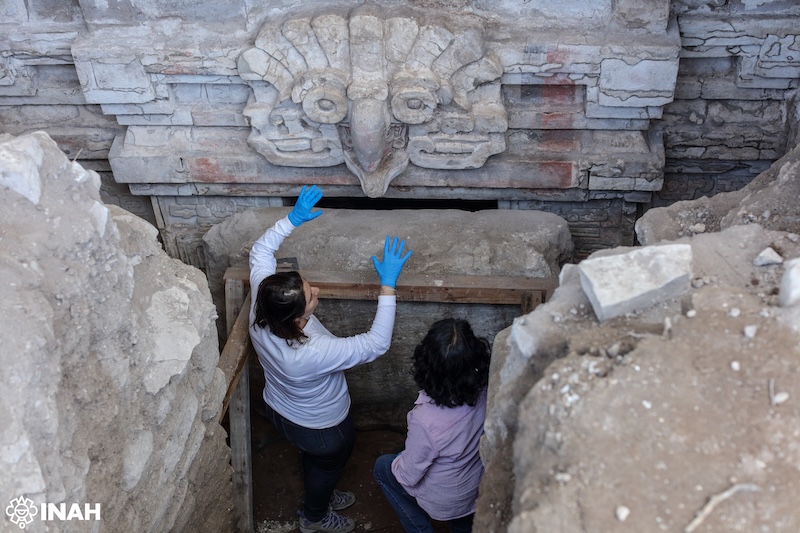
Currently, an interdisciplinary team from the INAH Oaxaca Center is carrying out conservation, protection, and research work on the monument, including the stabilization of the mural paintings, whose condition is considered delicate due to the presence of roots, insects, and abrupt changes in environmental conditions.
At the same time, ceramic, iconographic, and epigraphic analyses are underway, along with studies in physical anthropology, aimed at deepening knowledge of the rituals, symbols, and funerary practices associated with the tomb.
Due to its construction quality and decorative richness, the find is compared to other important Zapotec funerary complexes in the region, reinforcing its importance for understanding the social, artistic, and symbolic complexity of this ancient civilization.

Fantastico