The Wild Flower That Can Fight Super-Resistant Bacteria


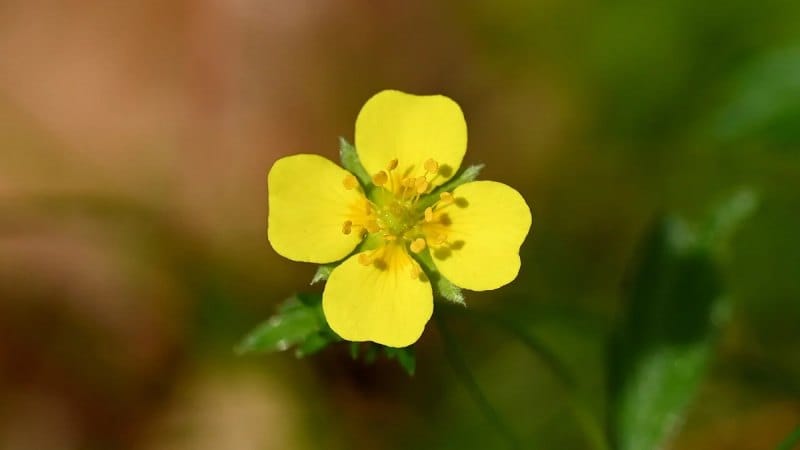
Tormentil, scientifically known as Potentilla erecta, has been used in traditional medicine for centuries. Its therapeutic properties have attracted the interest of researchers, especially in a context of growing antimicrobial resistance. Recent studies indicate that this plant may contain compounds capable of fighting infections caused by bacteria resistant to modern antibiotics.
Traditional Use of Tormentil in Medicine
Historically, tormentil root was used in traditional medicine in Ireland and across Europe to treat a variety of conditions, including wounds, sore throat, diarrhea, and gum disease. This use suggests that the plant contains compounds with antimicrobial potential, which has led to deeper investigations into its medicinal properties. The use of plants in traditional medicine is a widely studied field, as evidenced by research on traditional medicine.
Antimicrobial Properties of Tormentil
Recent research has shown that tormentil exhibits significant antimicrobial activity, capable of combating resistant bacteria. A recent study found that extracts from the plant inhibited the growth of relevant bacterial pathogens, including those that cause severe pneumonia and urinary tract infections. The extracts also proved effective in limiting the formation of biofilms, which are bacterial communities that make treatment with antibiotics more difficult.
Research on Antimicrobial Compounds in Plants
The search for new antimicrobial compounds has led researchers to explore plant biodiversity. In one study, more than 70 species of Irish bog plants were analyzed with the aim of identifying substances capable of combating multidrug-resistant bacteria. Laboratory tests showed that tormentil extracts not only inhibited bacterial growth but also demonstrated the potential to enhance the effectiveness of existing antibiotics, as indicated by research suggesting that certain compounds can make antibiotics more effective.
Potential for Combination with Existing Antibiotics
Studies indicate that combining tormentil extracts with antibiotics, such as colistin, may improve treatment effectiveness. Although colistin—a last-resort antibiotic—was not sufficient to eliminate the bacteria on its own, its combination with tormentil extract increased its antimicrobial activity. This synergy between plant compounds and antibiotics represents a new approach in combating antimicrobial resistance, a growing global threat to public health.
Tormentil, with its antimicrobial properties and potential for combination with antibiotics, represents a promising avenue in the fight against bacterial resistance. Ongoing research into its active compounds may lead to the development of new therapeutic strategies, reaffirming the value of plants in modern medicine.