New scientific data suggest three distinct types of ADHD


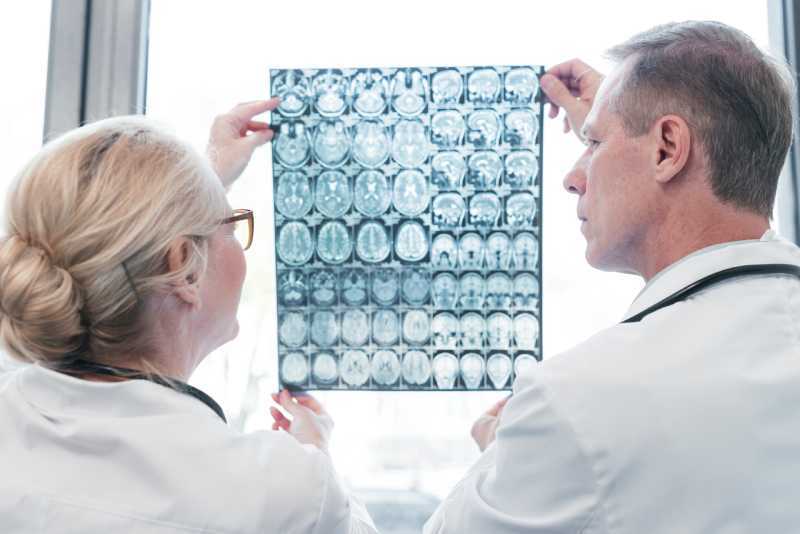
Researchers analyzing large volumes of neuroimaging data and clinical profiles are proposing a new way to understand Attention-Deficit/Hyperactivity Disorder (ADHD). Unlike the traditional view, which considers ADHD a single diagnosis with minor variations among patients, recent studies suggest there may be three distinct types of the disorder, each with its own neurological and behavioral patterns.
This discovery could represent a significant step forward in understanding a condition that affects millions of children and adults worldwide, impacting the ability to maintain attention, control impulses, and organize daily tasks.
The study that led to this new analysis used neuroimaging scans and measures of brain connectivity to identify differences in the organization of brain networks in individuals with ADHD. This approach made it possible to identify three distinct “biotypes,” or neurological subgroups, within the ADHD spectrum:
- A biotype characterized by severe symptoms and persistent emotional dysregulation, associated with alterations in regions such as the medial prefrontal cortex and the pallidum.
- A biotype predominantly marked by hyperactivity and impulsivity, with significant changes in the anterior cingulate cortex and areas related to motor control.
- A biotype with markedly impaired attention, characterized by alterations in regions such as the superior frontal gyrus.
These profiles reflect not only behavioral differences observed in clinical evaluations. They are also associated with distinct neurobiological patterns, suggesting that different brain mechanisms may be operating within the same ADHD diagnosis.
Traditionally, manuals such as the DSM-5 describe three presentations of the disorder—predominantly inattentive, predominantly hyperactive-impulsive, and combined—based on observable behavioral symptoms. However, these classifications are clinical in nature, meaning they are based on externally perceived behaviors rather than necessarily on deep biological differences.
This new line of research takes a different approach. Instead of focusing solely on symptoms, it analyzes objective biological data, such as patterns of brain connectivity.
This provides a neuroscience-based perspective to help explain why individuals with ADHD may respond differently to treatments or follow distinct life trajectories.
If these findings are confirmed by future studies with larger and more diverse samples, the three-biotype model could have important implications:
- More precise diagnosis: Healthcare professionals could use neurological profiles to go beyond simple symptom checklists and propose more personalized diagnoses based on each individual’s biological differences.
- Personalized treatments: Certain biotypes may respond better to specific medications, behavioral therapies, or educational interventions. Identifying the individual’s specific type of ADHD could help guide more effective interventions.
- Better understanding of the spectrum: Recognizing biological subtypes underscores that ADHD is a heterogeneous condition—that is, there is no single explanation or one-size-fits-all treatment path that works for everyone.
The idea that neurodevelopmental disorders are not uniform conditions has been gaining ground across different areas of psychiatry. In the case of autism, for example, researchers have used large-scale data (“big data”) to identify clinical and biological subtypes within the spectrum. This type of approach may pave the way for more targeted treatments in other neuropsychiatric conditions as well.
In addition, large-scale genetic studies have shown that several mental disorders share common biological foundations and genetic characteristics. This suggests that the traditional approach of treating each diagnosis as entirely separate may be more limited than previously thought.
Although promising, these findings still need to be replicated and validated in multicenter studies involving diverse populations. Questions such as how environmental factors, age, gender, and comorbidities interact with these biotypes remain open.
The researchers also explain that these biological differences may not fit into fixed and entirely separate categories. Instead, they may be distributed along a continuum, as occurs within a spectrum. This means that ADHD may be better understood as a condition with varying degrees and patterns, rather than as isolated and clearly defined types.
The study was published in JAMA Psychiatry.