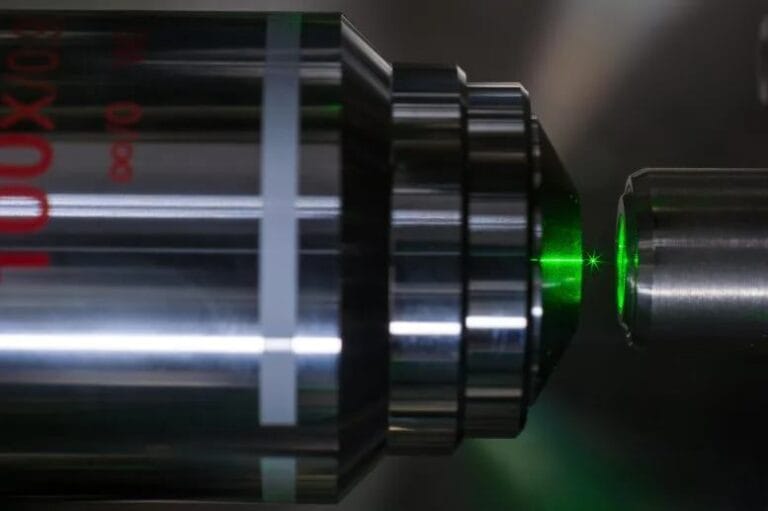
MIT scientists reveal hidden structure of mysterious technological material



Studies conducted by researchers at Massachusetts Institute of Technology (MIT) have revealed the three-dimensional structure of ferroelectric relaxors, materials that play a crucial role in various technologies such as ultrasound and sonar systems. The research, published in the journal Science, provides new insights into the atomic arrangement of these materials, challenging previous assumptions about their behavior.
Three-dimensional structure of ferroelectric relaxors
Ferroelectric relaxors are known for their exceptional electrical properties, which arise from the way atoms are internally arranged. The MIT research team was able to map this structure in unprecedented detail, revealing hidden patterns in the distribution of electrical charges at the nanoscale. This discovery is essential for improving the models used in the design of new computing systems and energy devices.
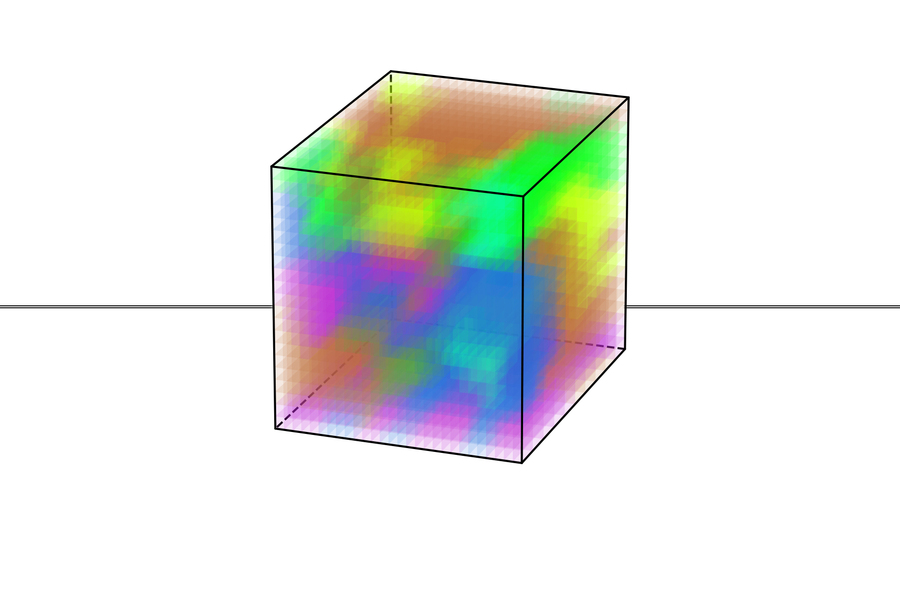
Innovative imaging method for atomic analysis
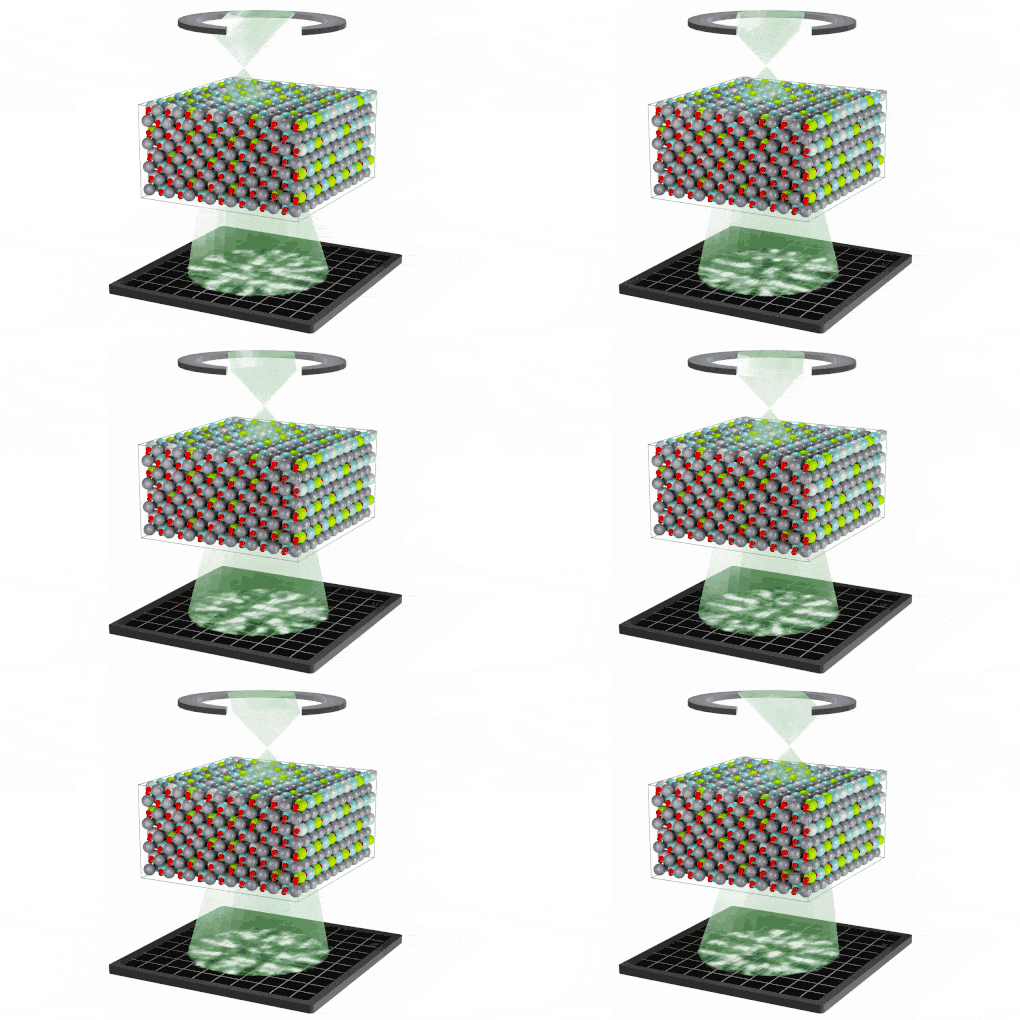
To perform the analysis, scientists used a technique called multi-slice electron ptychography (MEP). This method involves scanning a nanometer-scale electron beam across the material and measuring the resulting diffraction patterns. The overlapping regions allow the creation of a three-dimensional scan of the atomic structure, providing detailed information about the internal organization of ferroelectric relaxors.
Challenges in modeling complex materials
Modeling complex materials such as ferroelectric relaxors presents significant challenges, particularly in predicting their properties. The researchers found that the chemical disorder observed in experiments was not fully accounted for in previous models. Integrating experimental observations with simulations allowed them to refine the models and improve the accuracy of predictions about the behavior of these materials.
Implications for the development of future technologies
The implications of these findings are far-reaching, as a better understanding of the atomic structure of ferroelectric relaxors may lead to the development of more efficient and advanced technologies. With the ability to predict and engineer desired properties, scientists could create energy storage devices and sensors with superior performance. This research paves the way for innovations across various fields, including electronics and sensor technology.
The findings from Massachusetts Institute of Technology (MIT) not only resolve a long-standing mystery in materials science but also establish a solid foundation for future research and technological applications. Collaboration between different institutions was crucial to the success of the study, which is expected to have a significant impact on the field of materials engineering.