Scientists convert plastic waste into clean hydrogen using sunlight


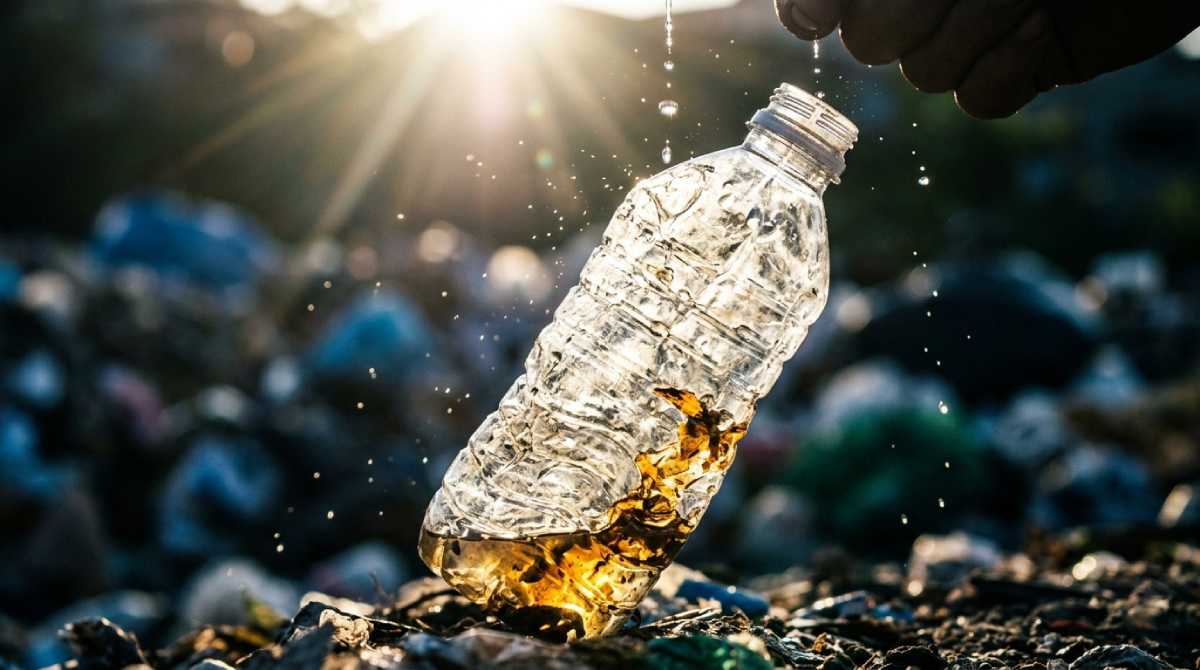
Recent research indicates that it is possible to convert plastic waste into clean fuels, such as hydrogen, using sunlight. This innovative approach aims to simultaneously address the problems of plastic pollution and the growing demand for sustainable energy sources.
Plastic as an Energy Resource
More than 460 million tons of plastic are produced worldwide every year, with a significant portion contributing to environmental pollution. Studies show that, rather than being seen only as waste, plastics can be considered a valuable energy source. Research published in the journal Chem Catalysis reveals that plastics, which are rich in carbon and hydrogen, can be converted into clean fuels through innovative processes.
Solar Conversion Process
The method used for this conversion is known as solar photoreforming, which employs light-sensitive photocatalytic materials. These materials enable the breakdown of plastics at relatively low temperatures, resulting in the production of hydrogen and other industrial chemicals. This technique proves to be more efficient compared to water splitting for hydrogen production, as plastics are easier to oxidize and require less energy.
Promising Results from Early Studies
Initial results from experiments conducted by researchers at the University of Adelaide indicate high levels of hydrogen production, along with the generation of acetic acid and hydrocarbon compounds in the diesel range. Some tested systems operated continuously for more than 100 hours, demonstrating improvements in stability and process performance.
Challenges for Large-Scale Adoption
Despite these advances, large-scale adoption of this technology faces significant challenges. The complexity of plastic waste and the need for efficient separation of different plastic types are critical issues. In addition, the photocatalysts used must be highly selective and durable, which is still not guaranteed in current versions. Research continues to seek solutions to optimize performance and improve the economic viability of this technology.
The transformation of plastic waste into clean hydrogen represents a significant opportunity to address both environmental and energy challenges. With ongoing research and technological innovation, this approach could become a viable reality, contributing to a more sustainable future.
Source: sciencedaily.com