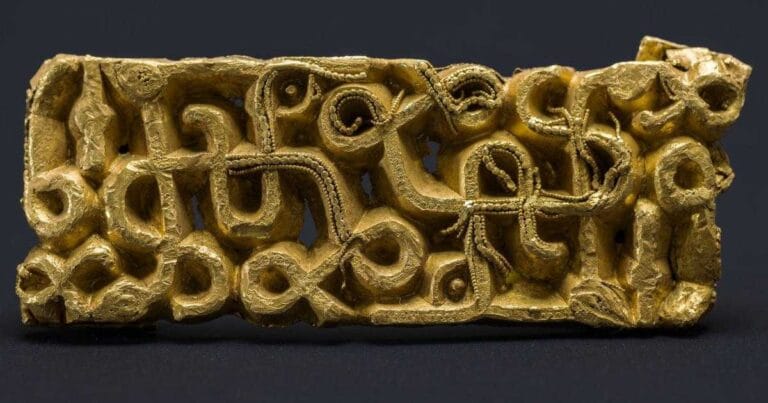
3,000-Year-Old Archaeological Remains Found in Brazilian Amazon


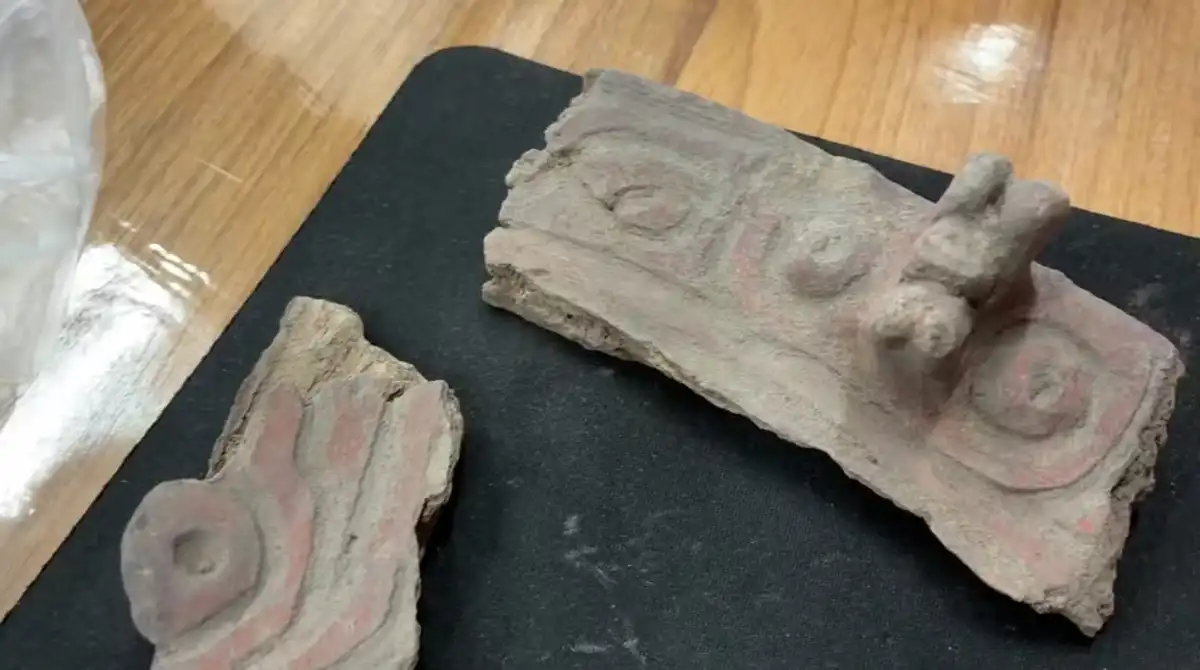
Archaeologists in Brazil have uncovered artifacts estimated to be more than 3,000 years old in the historic center of Parintins, a city in the Brazilian Amazon. Laboratory analyses identified Pocó-Açutuba ceramics, linked to some of the earliest ceramic-producing societies in the region.
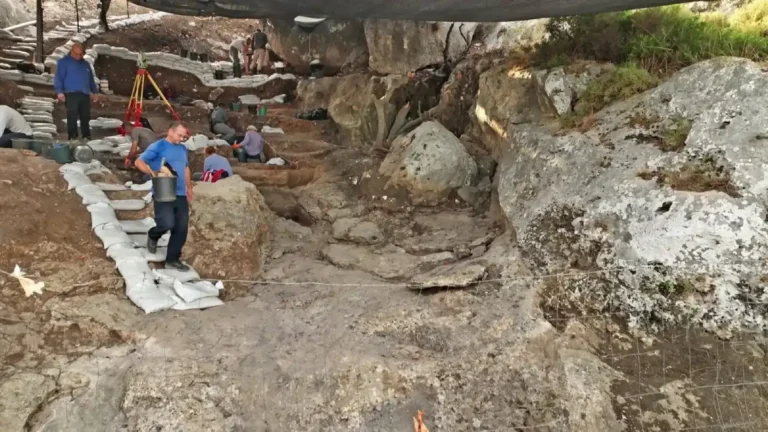
The discovery was made during a field activity conducted by researchers and archaeology students from the State University of Amazonas (UEA) in November last year. Excavations took place in a residential area in the Francesa neighborhood of Parintins.
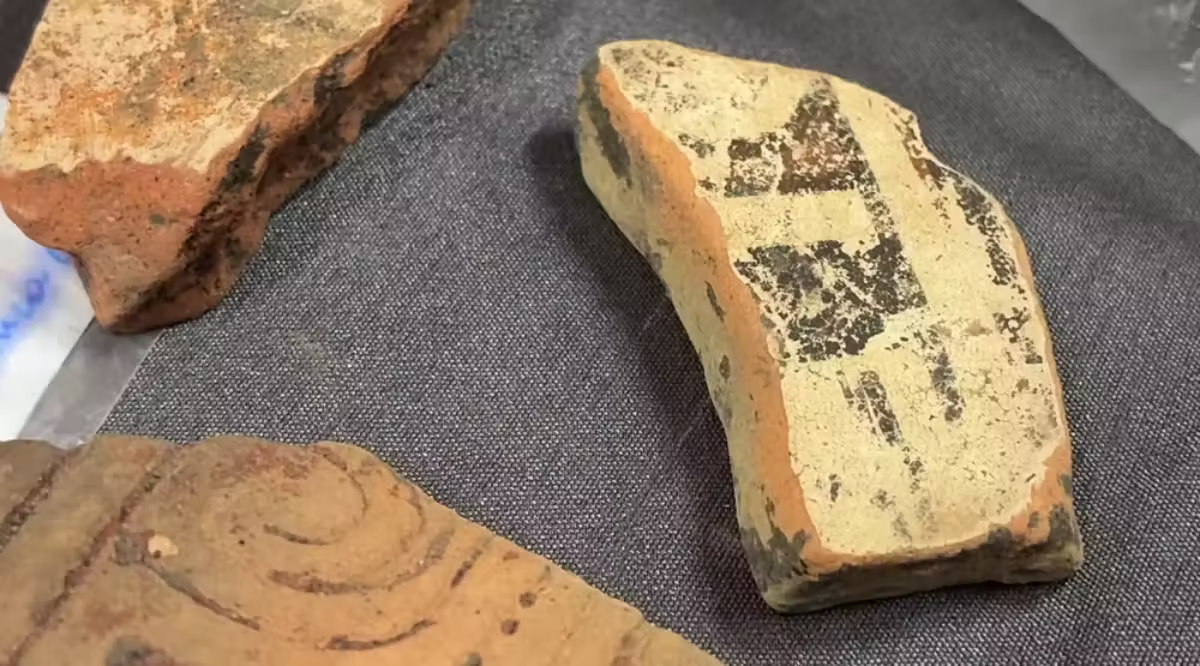
Among the findings were decorated ceramic fragments, ear ornaments, and tools used by Indigenous peoples who inhabited the island thousands of years ago. Archaeologist Clarice Bianchezzi said researchers began noticing recurring patterns in the artifacts during the excavation process.
“We started identifying a recurring ceramic style with white, yellow-orange and black pigments, along with highly expressive decoration,” Bianchezzi said.
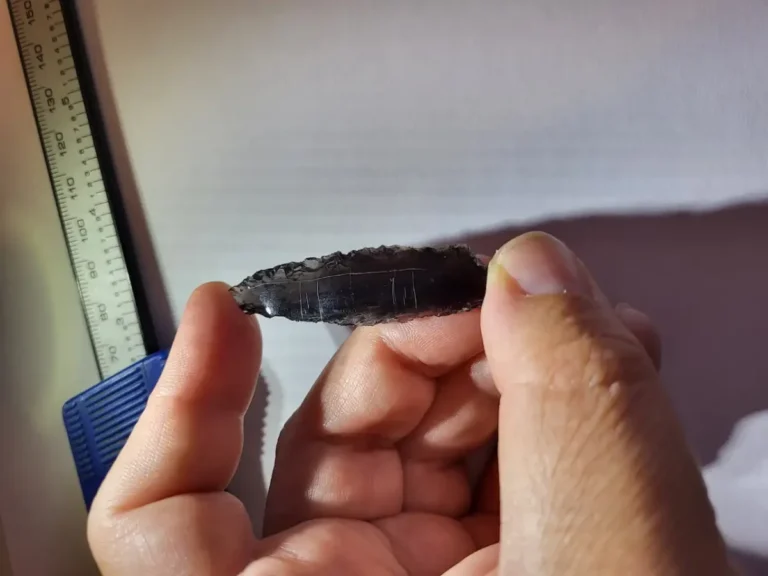
Researchers also found evidence of lithic tool production, including materials likely used to manufacture necklaces, pendants and perforated stone objects. According to Bianchezzi, the stone artifacts appeared throughout multiple soil layers alongside the ceramics, suggesting advanced knowledge of toolmaking techniques.
The excavation site had been mapped since 2018 and is part of a larger network of 42 archaeological sites identified in Parintins.
Archaeologists say the findings could help expand understanding of early human occupation in the Amazon. The density and distribution of artifacts across the excavation layers indicate the area may have supported a large and continuous population.
“As we carried out the excavation using proper archaeological techniques, we confirmed there had been a significant human occupation in the area,” Bianchezzi said.
The recovered items are currently being stored at the UEA campus in Parintins, where they will undergo further laboratory analysis.
In May, Amazonian archaeology specialists are expected to visit the excavation area during an event aimed at training new archaeologists and encouraging further research on the island.