3,000-Year-Old Gold Necklaces Discovered in Romania


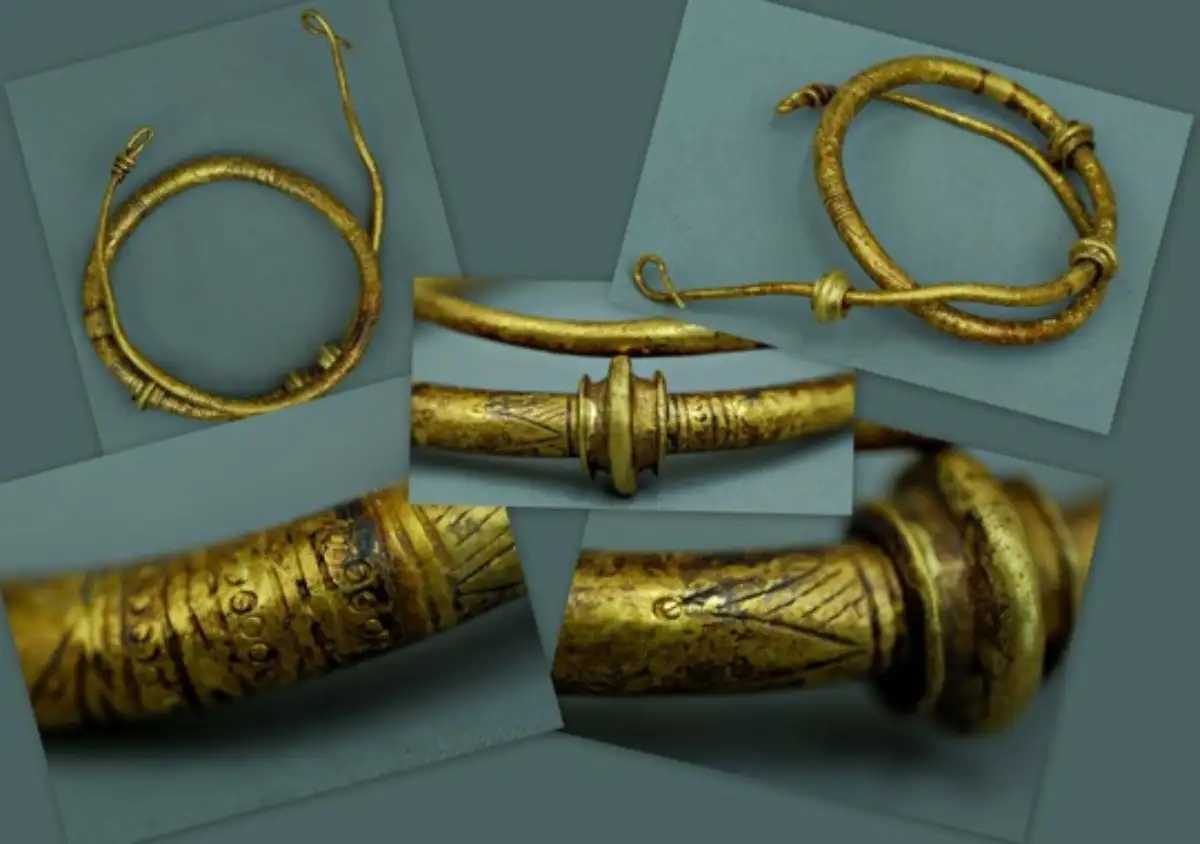
Three gold necklaces estimated to be around 3,000 years old have been discovered in the Prahova region of Romania by a man using a metal detector in a remote area near the village of Marginea Pădurii. The collection weighs more than 300 grams and has already drawn the attention of archaeologists, who describe the find as one of the country’s most significant discoveries for the study of the transition between the Bronze Age and the Iron Age.
The objects were buried approximately 25 centimeters below the surface. According to reports published by the News.ro agency, the man initially located small metal wheels associated with the archaeological deposit before uncovering three coiled gold pieces, which he first believed to be bracelets.

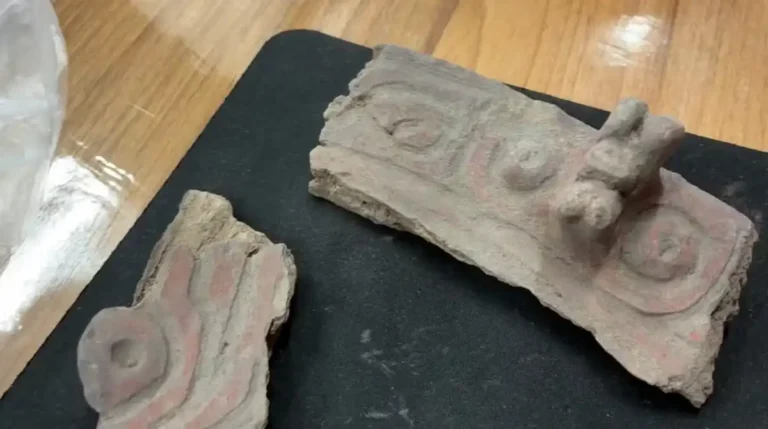
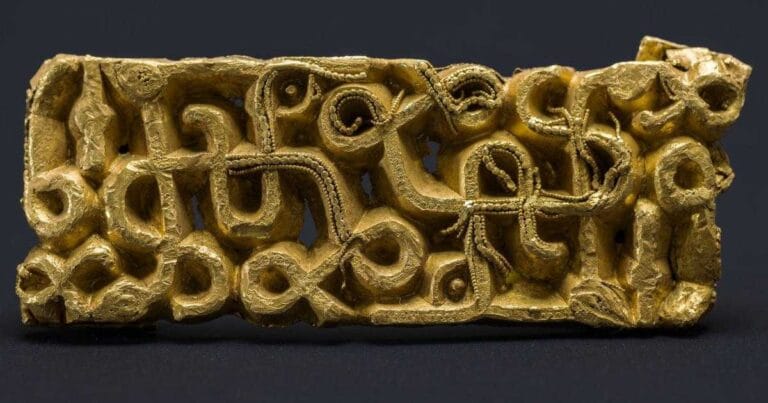
In addition to the necklaces, researchers also recovered three metal wheels, two small axes, and a bronze bracelet. The artifacts were handed over to regional cultural authorities the day after the discovery and later transferred to the Prahova Museum of Archaeology for examination.
Archaeologist Alin Frînculeasa, a prehistoric research specialist and coordinator of archaeological excavations in the region, said dating the objects remains challenging. According to him, the pieces appear to belong to different periods, spanning the middle and late phases of the Bronze Age and the beginning of the Early Iron Age.
The hypothesis raises questions about how artifacts produced in different eras ended up gathered in the same location. Researchers are also investigating whether the deposit served a ritual purpose or whether the objects were temporarily hidden during conflicts or population movements.

Preliminary analyses indicate that the supposed gold bracelets were actually necklaces coiled to facilitate storage in a confined space. One of the objects features decorative patterns similar to those found on ceramics from different phases of the Bronze Age.
Archaeologists also plan to determine the origin of the gold used to produce the pieces. The study could help researchers better understand trade routes and cultural connections that existed in the region around three millennia ago.
The area where the treasure was found is expected to be included in future archaeological campaigns in Prahova. Researchers hope to identify possible traces of human occupation and establish the exact chronology of the settlement associated with the artifacts.
After the analyses are completed, the collection is expected to be displayed to the public at the Prahova Museum of History and Archaeology.