300,000-Year-Old Cave Reveals Prehistoric Human Life in Israel


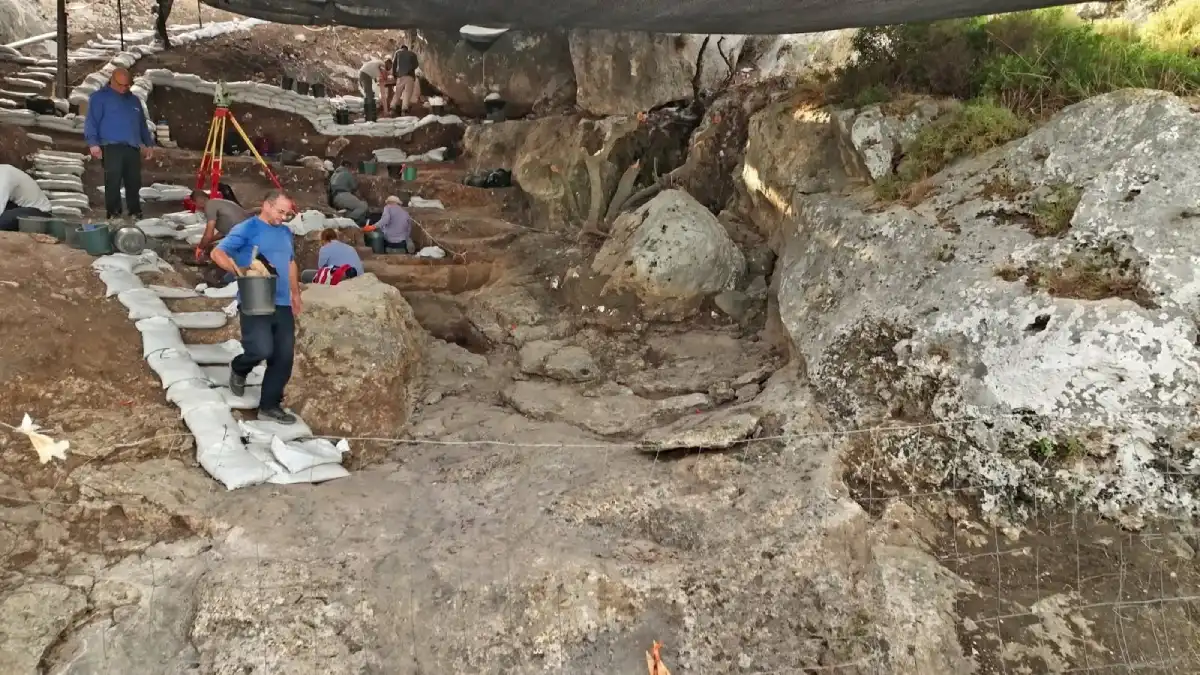
A rare prehistoric cave dating back approximately 300,000 years is being excavated near Fureidis, south of Haifa, Israel. Sealed for hundreds of thousands of years, the site offers researchers an unusual opportunity to study a little-understood period of human evolution.
The excavations are being carried out by the Israel Antiquities Authority and the University of Haifa, with support from Ayalon Highways. According to the researchers, the cave is in an exceptional state of preservation and serves as a kind of time capsule of the Acheulo-Yabrudian culture, which inhabited the region long before the emergence of Neanderthals and modern humans.

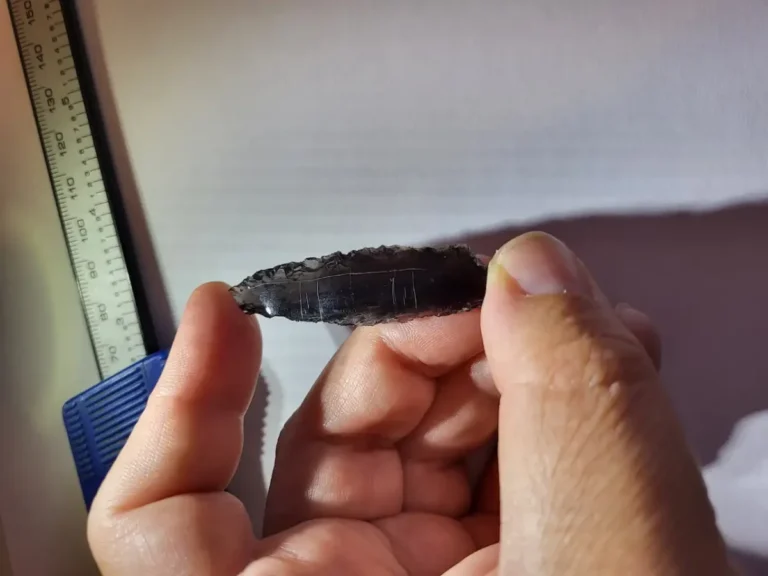
Among the remains uncovered are flint tools, animal bones, and evidence of the controlled use of fire. The faunal remains identified so far include fallow deer, gazelles, and ancient horses, providing insights into the diet and environment of the human groups that inhabited the area at the time.

According to the research team, the findings point to the presence of a socially organized community capable of developing strategies to adapt to its environment. The combination of tools, food resources, and evidence of domestic activities may help clarify how these groups cooperated and innovated in their daily lives.
Researchers emphasize that the archaeological site has the potential to answer important questions about human evolution in the Levant, a region considered one of the main dispersal routes of prehistoric populations.

A comprehensive research program is currently underway to analyze the recovered materials and reconstruct aspects of life in the region during the Paleolithic period. Researchers hope the findings will expand our understanding of the populations that lived there hundreds of thousands of years before the emergence of societies known today.
In the future, there are plans to open the cave to the public. The initiative would allow residents of Fureidis, students, and visitors interested in prehistory to explore one of the oldest preserved records of human presence ever discovered in the region.