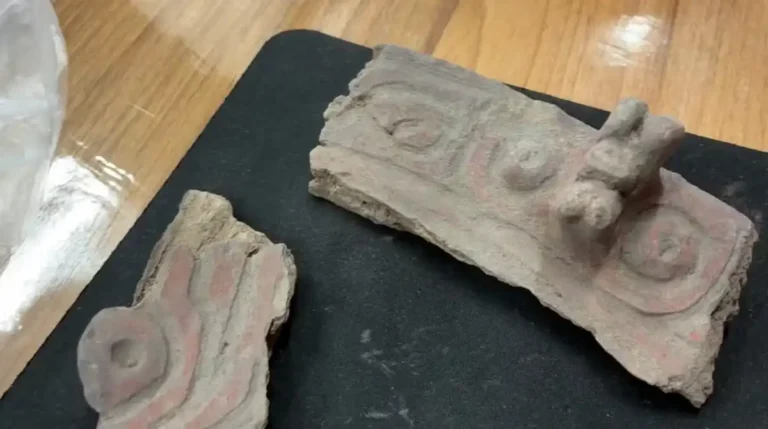
Underground tunnels that are 1,600 years old are discovered beneath Hagia Sophia


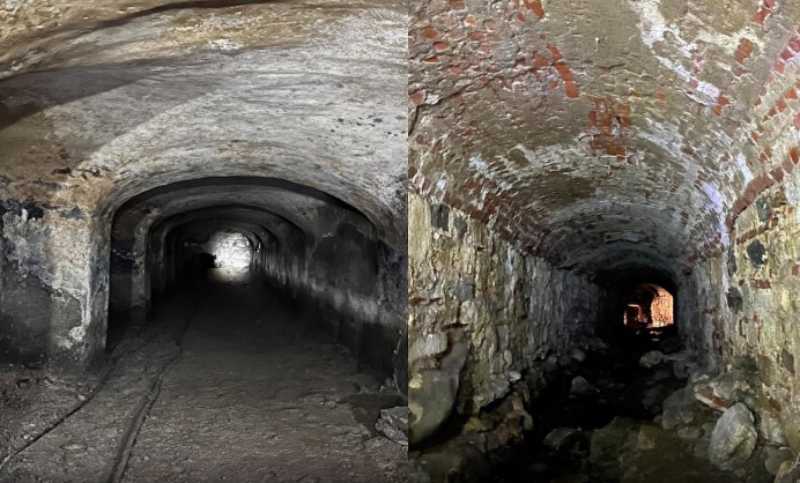
Amid the extensive and meticulous restoration work at the Hagia Sophia, one of the most iconic buildings in the world, archaeologists and specialists have announced the discovery of an underground network of tunnels dating back approximately 1,600 years. The revelation, officially made at the end of February 2026 by Turkish authorities, is providing a rare glimpse into the vast and complex historical heritage beneath the surface of Istanbul, the historic capital of two empires.
The discovery was announced by Mehmet Nuri Ersoy, Minister of Culture and Tourism of Türkiye, during a visit to the restoration facilities at Hagia Sophia itself. According to Ersoy, the teams working on the conservation project—considered one of the most comprehensive in the structure’s recent history—identified seven distinct underground tunnels, all interconnected and extending for hundreds of meters beneath the famous basilica.
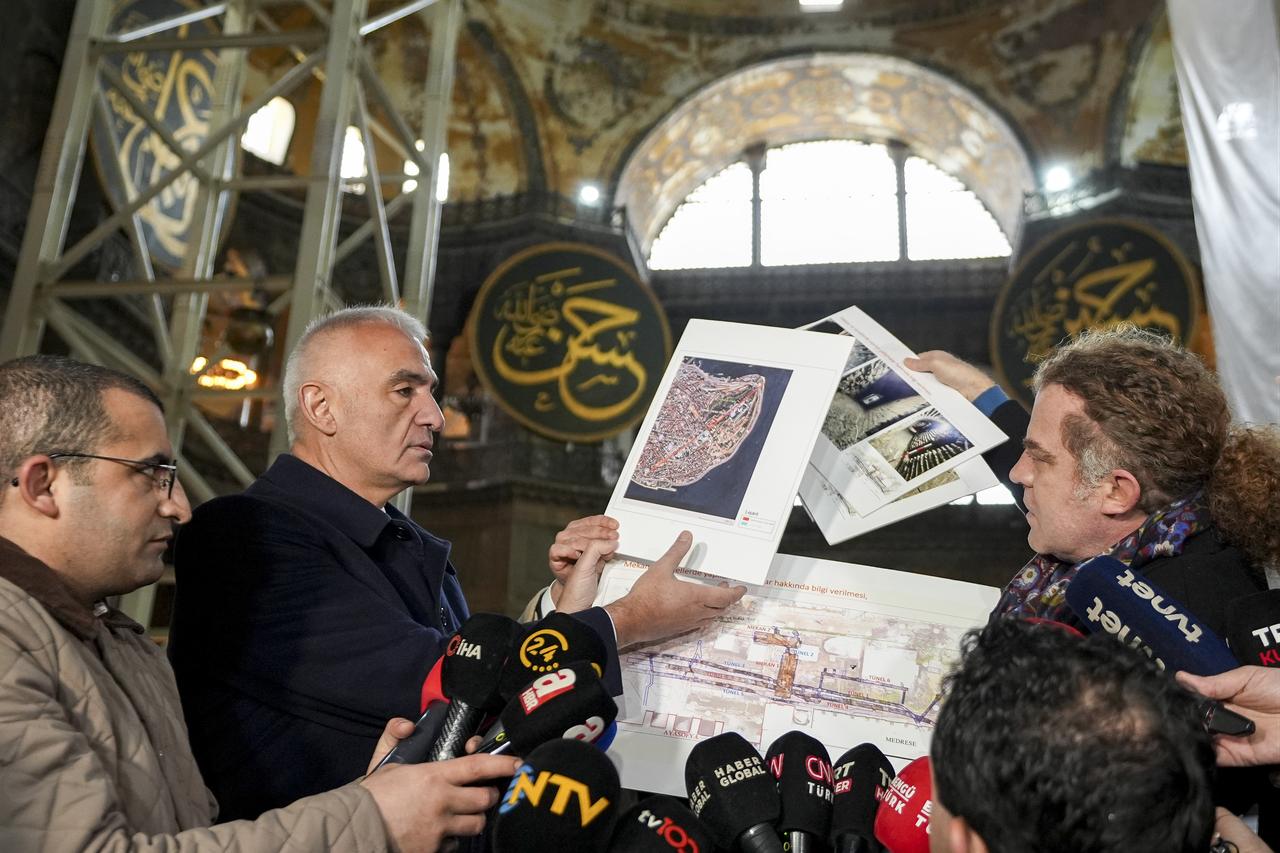
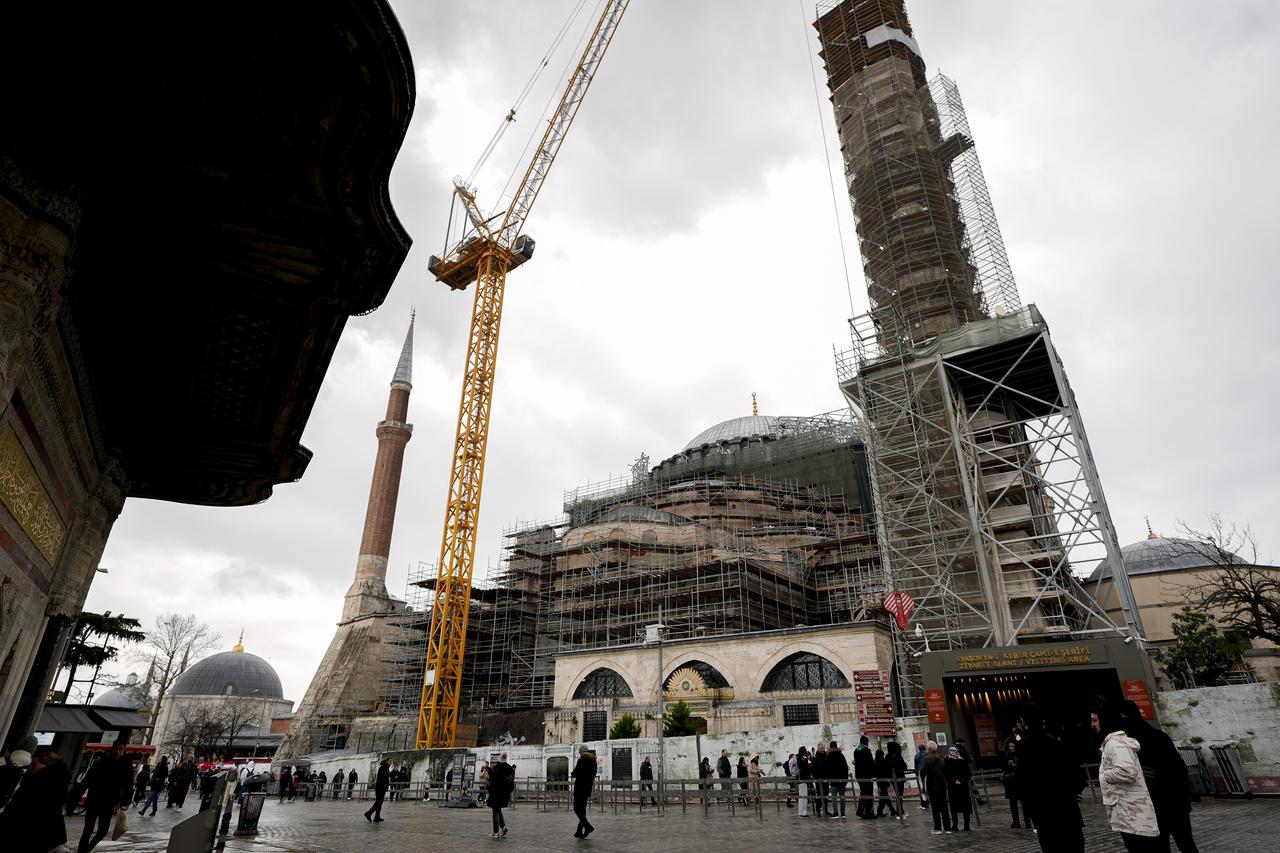
Work at the Hagia Sophia began as part of a broader effort to preserve the building’s structural integrity — a structure that has served as a Christian cathedral, later a mosque, and more recently a museum before functioning again as a mosque. The intervention is not limited to the surface: specialized teams are applying detailed scientific analyses to guide every stage of the process, from radar mapping to the use of historically appropriate materials for restorative work.
Equipment such as metal scaffolding, steel platforms, and temporary roofing systems has been installed to protect the valuable interior surfaces, including ancient mosaics, while materials from previous restorations that are incompatible with original Byzantine and Ottoman construction techniques are being removed. During this process, laboratory analyses identified layers of building materials from different historical periods, including those dating to the Byzantine Empire and later the Ottoman era.
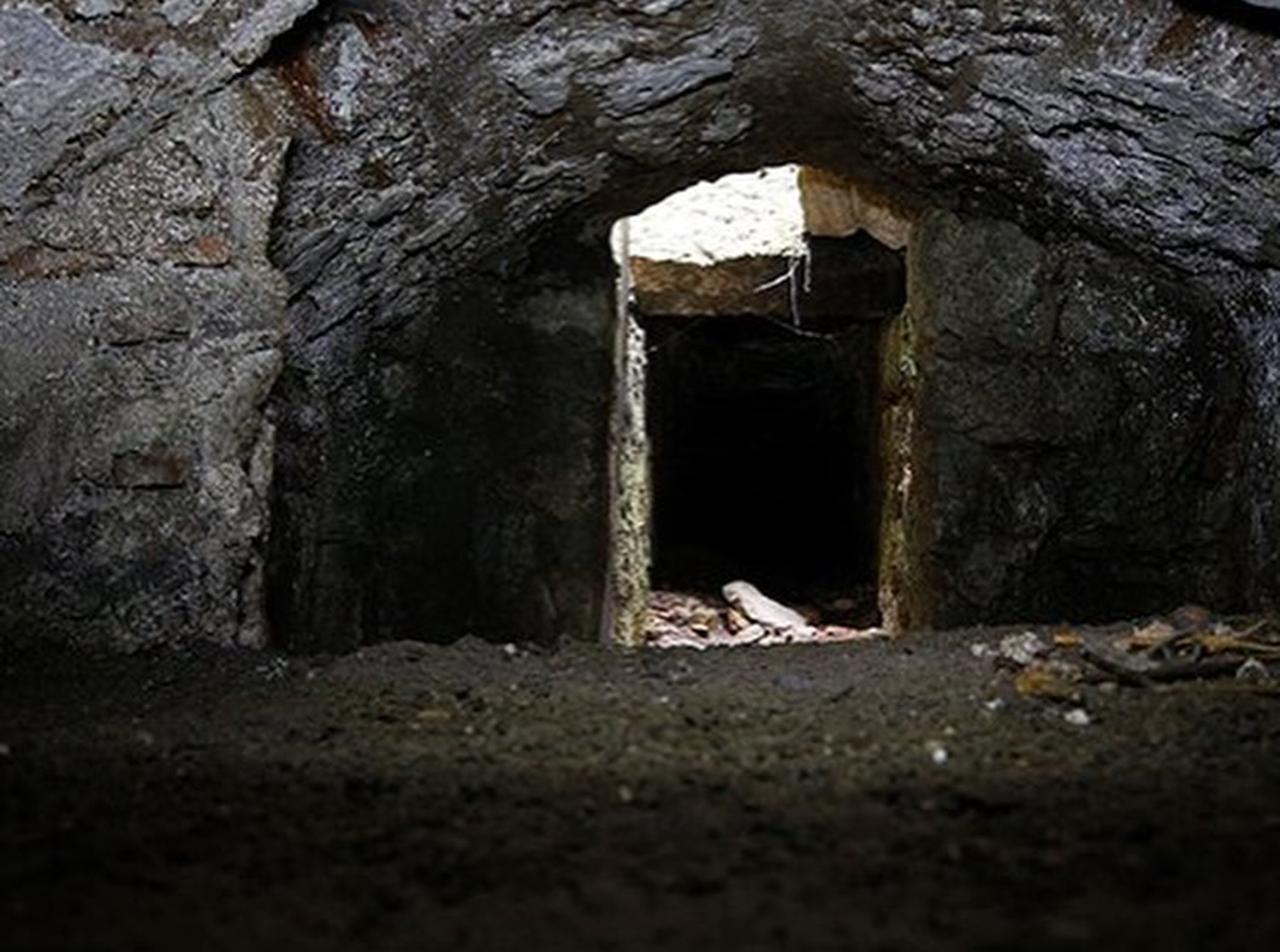
The most surprising and intriguing aspect of the restoration is the tunnels discovered beneath the structure. Conservation teams worked in three underground chambers in the western garden area and along the northern flank of Hagia Sophia, connected to a subterranean system that, after months of excavation, revealed interconnected historic tunnels.
During excavations carried out in 2025, more than 1,000 tons of soil were removed from these tunnels, while a separate underground funerary structure located in what is known as the “Vizier’s Garden” led to the removal of approximately 102 tons of fill material. This funerary structure features a central corridor flanked by symmetrical chambers — a configuration common in ancient hypogea.
Specialists suggest that these tunnels were part of a functional and symbolic system connected to the religious life of the Hagia Sophia and its subterranean infrastructure, offering unique clues about how monumental Byzantine buildings were conceived not only as places of worship, but also as complex centers of activity, circulation, and perhaps even funerary practices.
The discovery underscores the rich historical stratification of Istanbul, where the layers of the Byzantine Empire, followed by Ottoman rule, still hold many mysteries waiting to be uncovered. This type of finding not only expands our understanding of the engineering and architecture of the time, but also raises questions about the relationship between visible structures and the network of support and use that existed below ground.
According to officials, in addition to providing valuable information for the conservation of the Hagia Sophia itself, these tunnels and underground spaces may be thoroughly documented and analyzed for future exhibitions or archaeological research, although there are currently no official plans to open them to the public.