Neanderthals Performed Dental Surgery 60,000 Years Ago


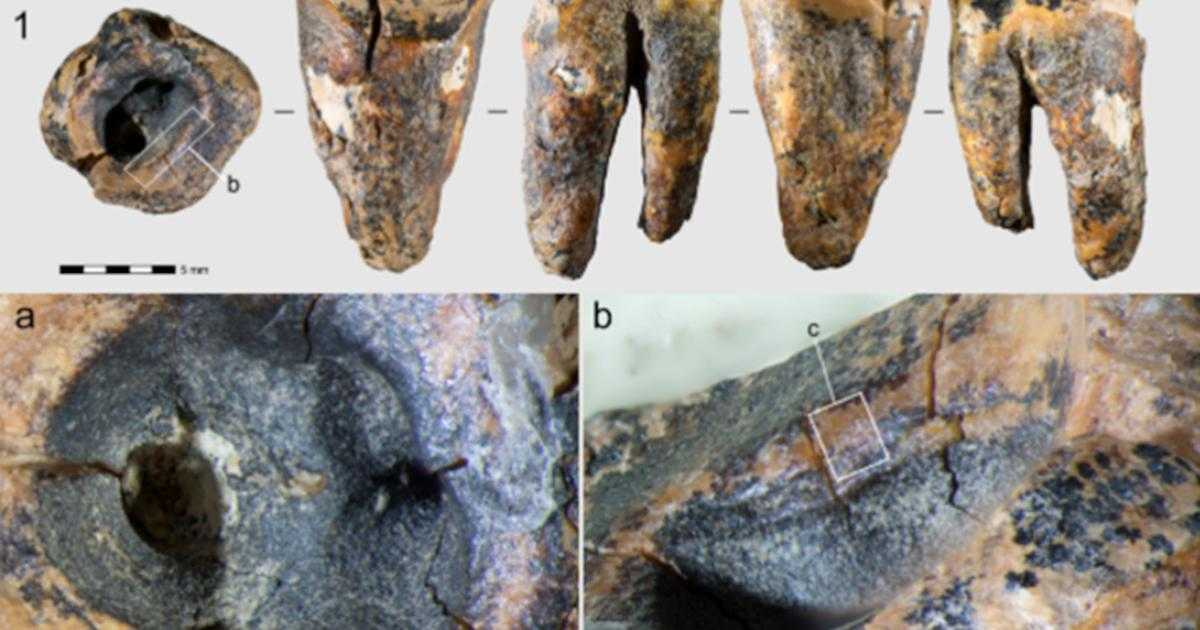
A Neanderthal tooth discovered in Siberia has revealed what may be the oldest known evidence of deliberate dental surgery. Researchers identified a deep hole intentionally made in a molar dating back around 60,000 years, likely using a stone tool to remove tissue damaged by cavities.
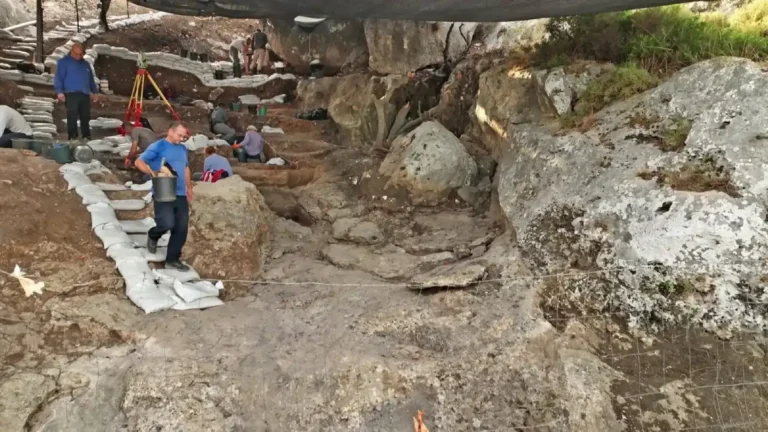
The discovery was made through the analysis of a lower left second molar found in 2016 at Chagyrskaya Cave, located in the Altai Mountains of Siberia. Initially, scientists could not explain the unusual cavity observed on the surface of the tooth.
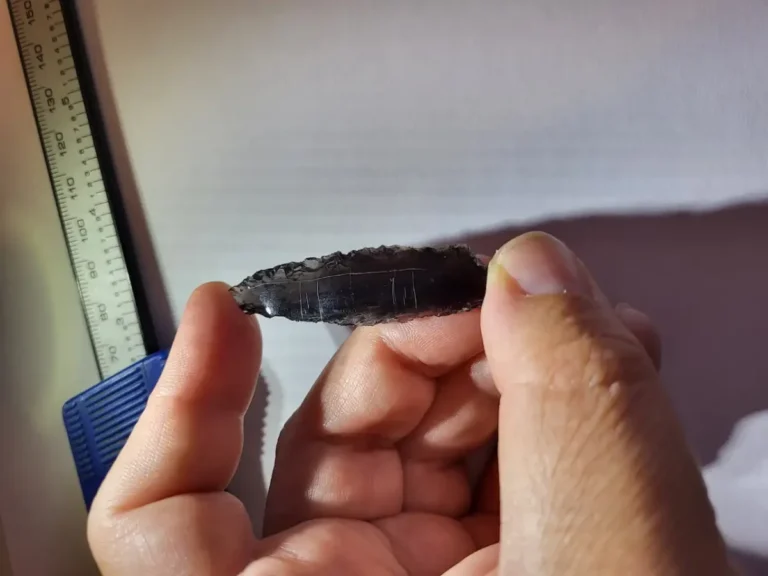
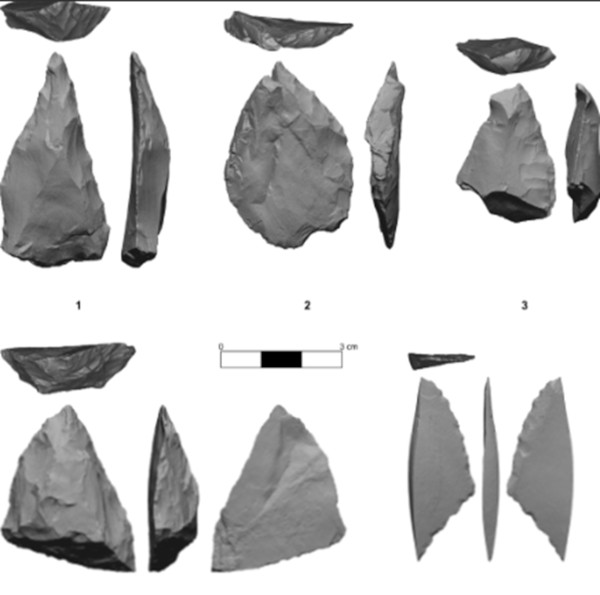
Recent microtomographic examinations and experimental tests indicated that the perforation did not occur naturally. According to the researchers, the marks found on the molar are consistent with rotational movements made by pointed stone tools crafted from jasper available in the region.
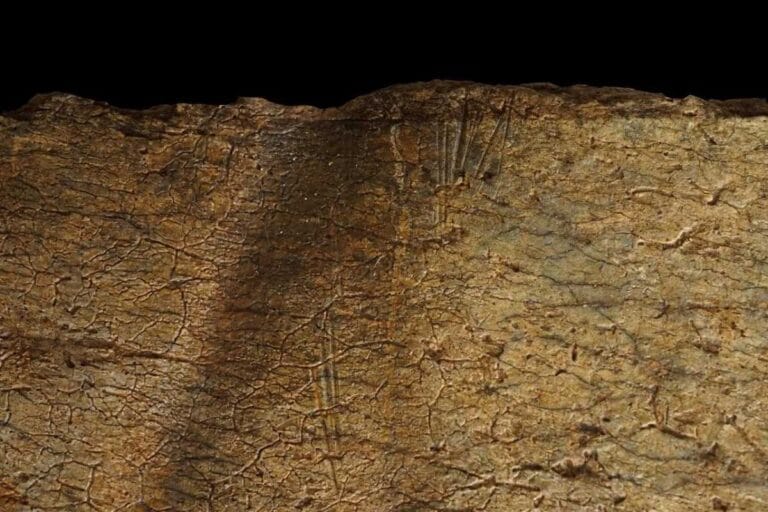
The study suggests that Neanderthals not only identified the source of pain but also attempted to treat it invasively. In addition to the main hole, scientists found straight grooves near the gum line associated with the frequent use of objects to clean or relieve the discomfort caused by the dental infection.
“The fact that this invasive treatment took place and that the individual survived suggests a sophisticated understanding of human biology and of when intervention was necessary,” said John W. Olsen, professor emeritus of anthropology at the University of Arizona and co-author of the study, in an interview with Live Science.
To verify whether the procedure was technically possible, the researchers reproduced the marks on modern human teeth using small stone tools similar to those found in the cave. The results matched the patterns observed on the fossil.
Several retouched stone points and drills had previously been discovered at Chagyrskaya Cave, indicating that the instruments were available for different uses. According to archaeologist Kseniya Kolobova of the Russian Academy of Sciences, Neanderthals likely adapted existing tools to treat specific dental problems.
Chewing marks overlapping the drilling grooves indicate that the individual survived the procedure and continued using the tooth for some time after the intervention.

The discovery pushes back the oldest known record of intentional dental treatment by about 45,000 years. Until now, the earliest evidence belonged to Homo sapiens and dated to approximately 14,000 years ago in Italy.
The findings add to the growing body of evidence for complex behavior among Neanderthals. Previous studies had already indicated that they produced art, used ornaments, buried their dead, cared for injured individuals, and employed medicinal plants.
The researchers say the new evidence brings Neanderthal behavior even closer to that observed in modern humans and expands our understanding of the cognitive abilities of this extinct species.