Study Confirms Manis aurita as a Distinct Pangolin Species


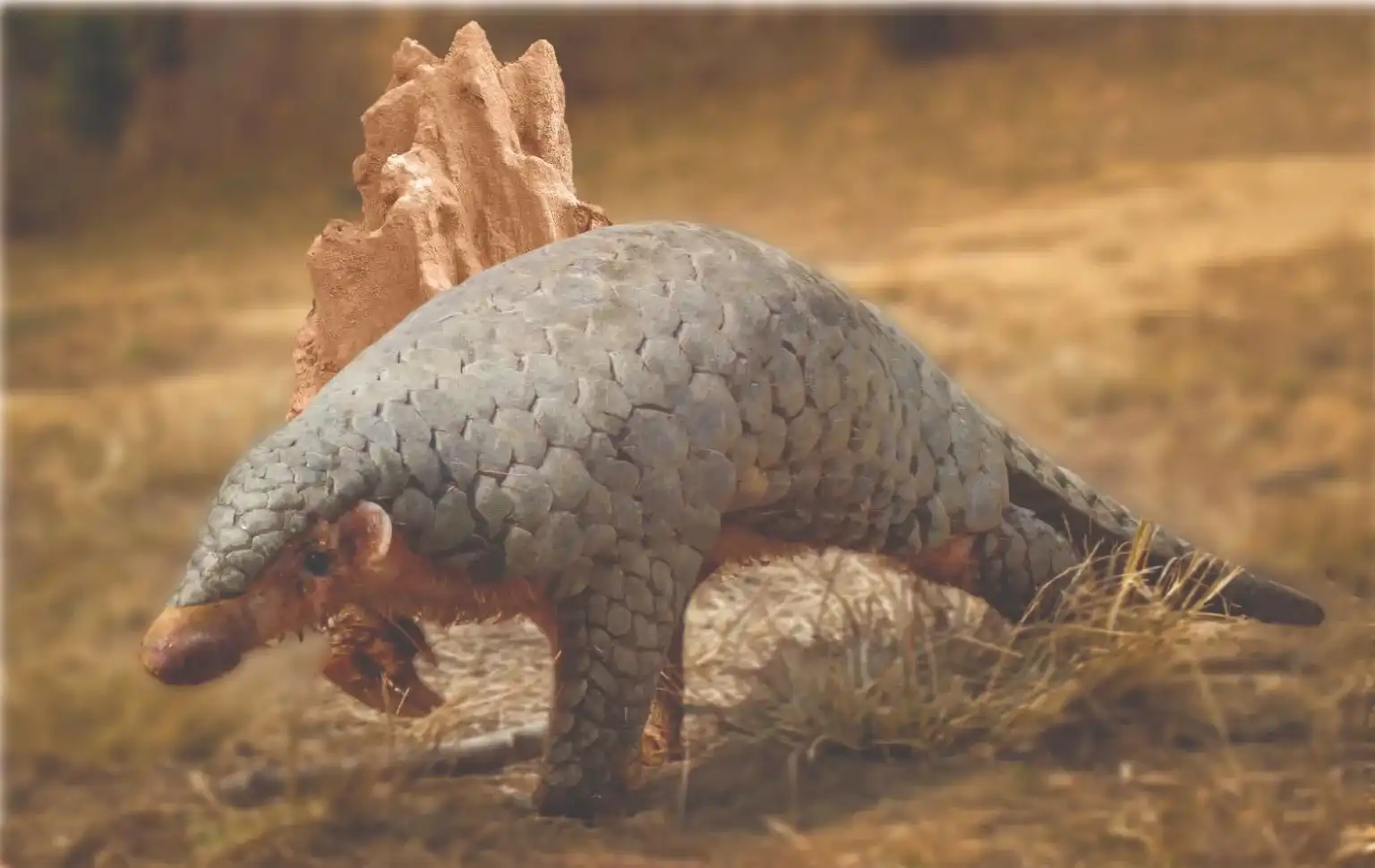
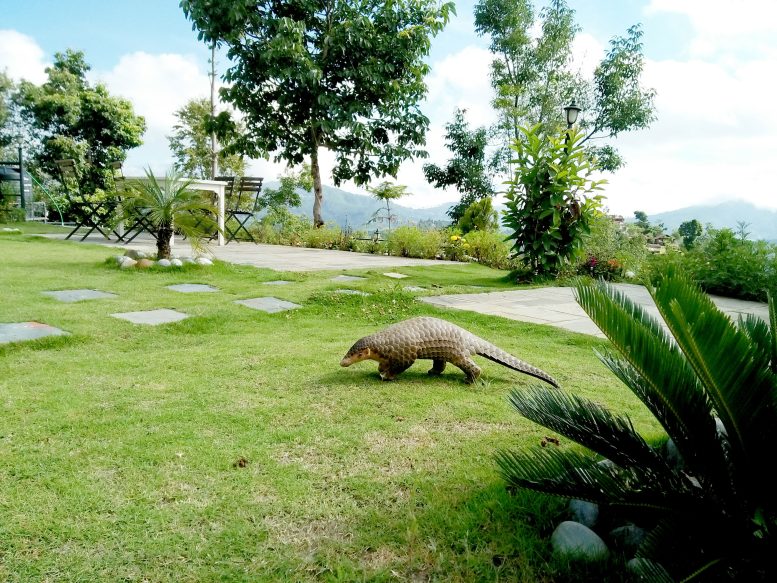
A genetic analysis of a pangolin specimen collected nearly 190 years ago in the United Kingdom has confirmed the existence of a new species, Manis aurita. The discovery, published in the journal Communications Biology, could have significant implications for pangolin conservation, as these mammals are among the most heavily trafficked animals in the world.
The study identified the Himalayan pangolin, Manis aurita, as a distinct species inhabiting regions of Nepal and northern India. This distinction is crucial for conservation efforts because it provides a clearer understanding of the species’ geographic distribution and population characteristics, helping identify areas most vulnerable to trafficking.
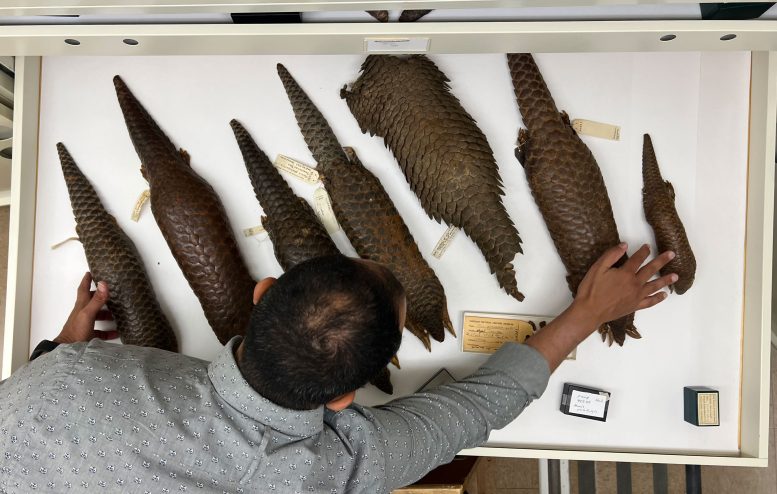
The confirmation of Manis aurita as a distinct species provides a solid scientific foundation for planning conservation efforts. According to Anderson Feijó, a co-author of the study, “we cannot protect what we do not know.” Recognizing this new species could help direct conservation efforts toward protecting pangolins, which face serious extinction risks due to demand for their scales.
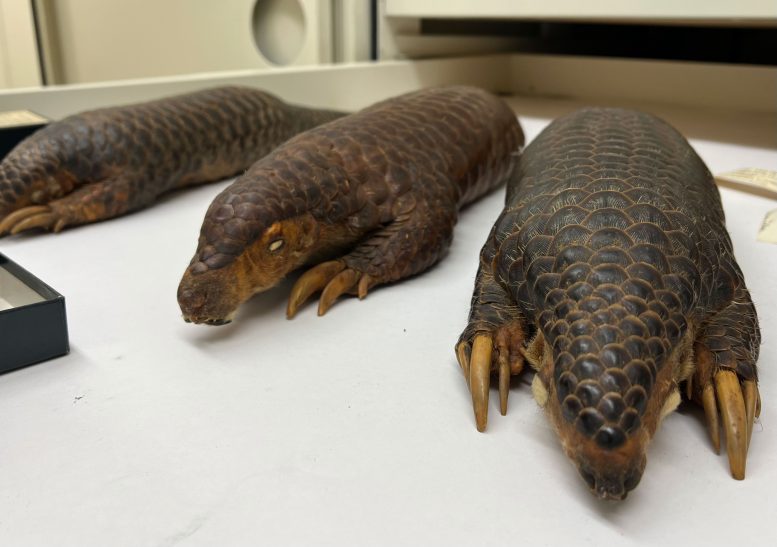
The taxonomic confusion surrounding pangolins began with the discovery that Chinese pangolins grouped within the same category actually belonged to two different species. The name Manis aurita was established in 1836 but was later downgraded to subspecies status. The current research reverses that classification, clarifying the relationship between the species.
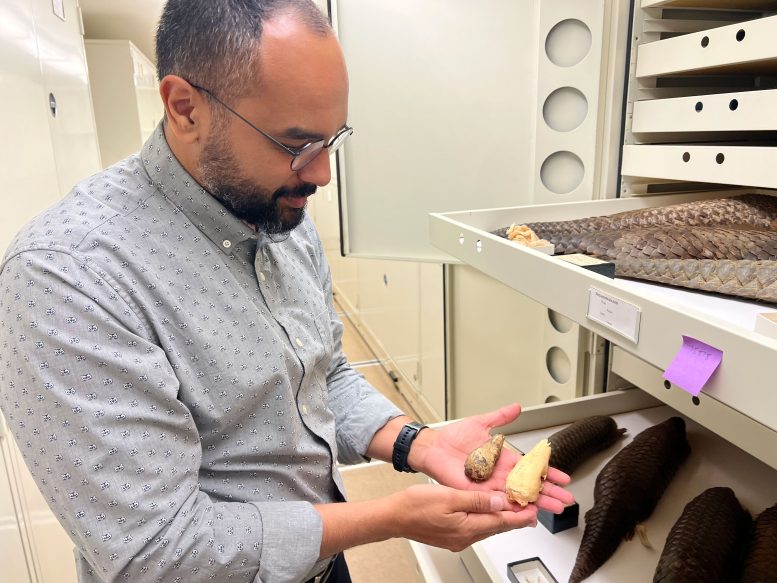
The research involved an international collaboration and more than five years of work, with contributions from institutions such as the Field Museum and London’s Natural History Museum. Recovering DNA from the historical specimen was crucial for comparison with modern pangolins, allowing researchers to confirm the species’ identity.
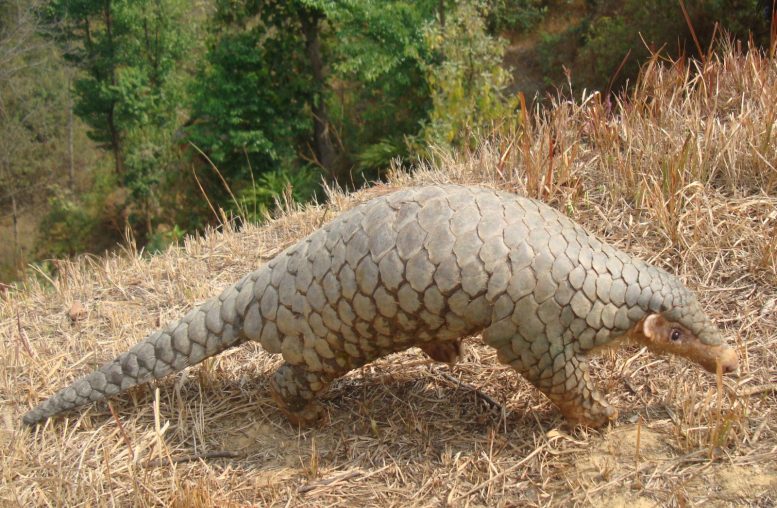
The identification of Manis aurita not only expands our understanding of pangolin biodiversity but also underscores the need for coordinated action to protect these threatened species. The research highlights the importance of museum collections and long-term studies in wildlife conservation.