Brain Implant Controlled from 10,000 km Away


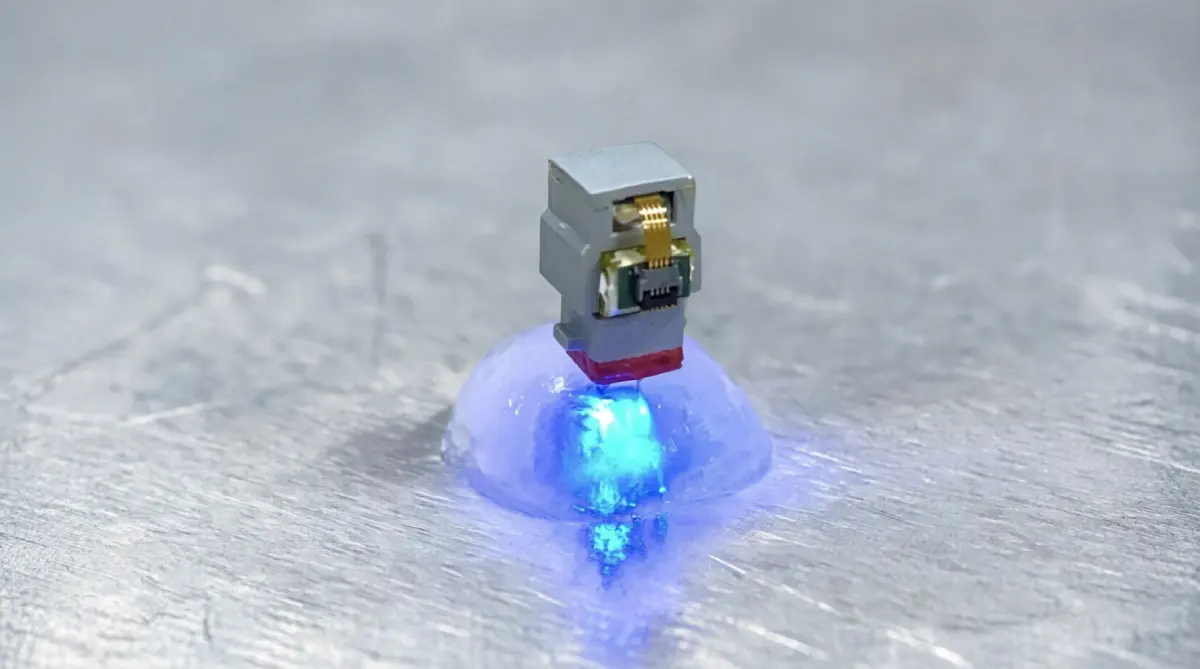
Scientists operated a brain implant in a rodent in South Korea from a computer in the United States, in a real-time test conducted over the internet. The device, developed by the Korea Advanced Institute of Science and Technology (KAIST) and Yonsei University, enables optical stimulation and drug delivery without the need for cables or physical presence in the laboratory.
The compact device integrates a micro-drug dispenser and LEDs for neuronal activation. Connectivity to the global network allows commands to be sent remotely or stimuli to be automatically programmed, eliminating animal stress caused by direct handling and improving the accuracy of experimental data.

In four-week tests on mice, researchers administered cocaine and simultaneously activated brain lights to suppress behaviors linked to drug addiction. The detachable magnetic system allows the drug reservoir to be refilled without additional surgery, enabling long-term studies with freely moving animals.
According to Professor Jae-Woong Jeong of KAIST, the technology transforms wireless implants into platforms capable of remote and automated experiments. Professor Wha Young Kim of Yonsei University states that precise control of specific brain circuits can help identify the underlying causes of neurodegenerative diseases, depression, and addiction.

In the future, implantable chips combined with artificial intelligence could deliver precise drug doses based on a patient’s brain activity. The research, led by PhD candidates Eun Young Jeong and Jong Woo Park, was published in the scientific journal Science Advances.