The Formation of the Moon Continues to Be a Mystery for Scientists


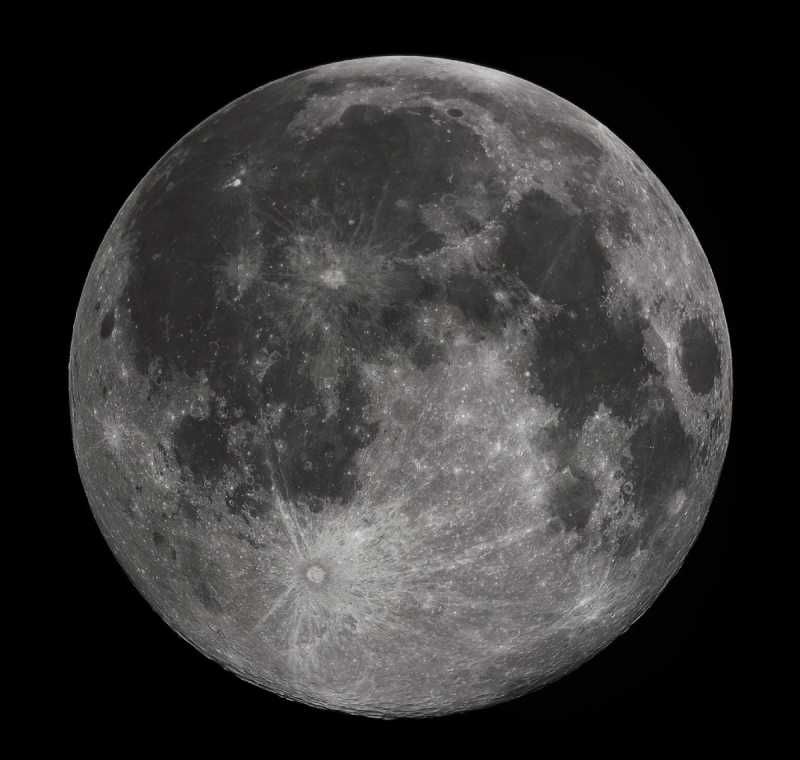
Studies on the formation of the Moon reveal that, despite decades of research, the origin of Earth’s natural satellite is still not fully understood. The most widely accepted hypothesis involves a colossal impact with a celestial body known as Theia, which is believed to have occurred around 4.51 billion years ago. The scale of this impact and its consequences for both Earth and the Moon continue to be the subject of ongoing investigation.
Theia Impact and the Formation of the Moon
The impact of Theia—a body that may have been the size of a proto-Mercury or even half the size of Earth—is considered crucial to the Moon’s formation. Recent hydrodynamic models suggest that a larger impact provides the best explanation for the chemical similarities between lunar rocks and olivine-rich volcanic basalts found on Earth. According to Wim van Westrenen, a lunar scientist at Vrije Universiteit Amsterdam, this event not only shaped the Moon but also redefined the history of our planet.
Analysis of Lunar Rock Samples
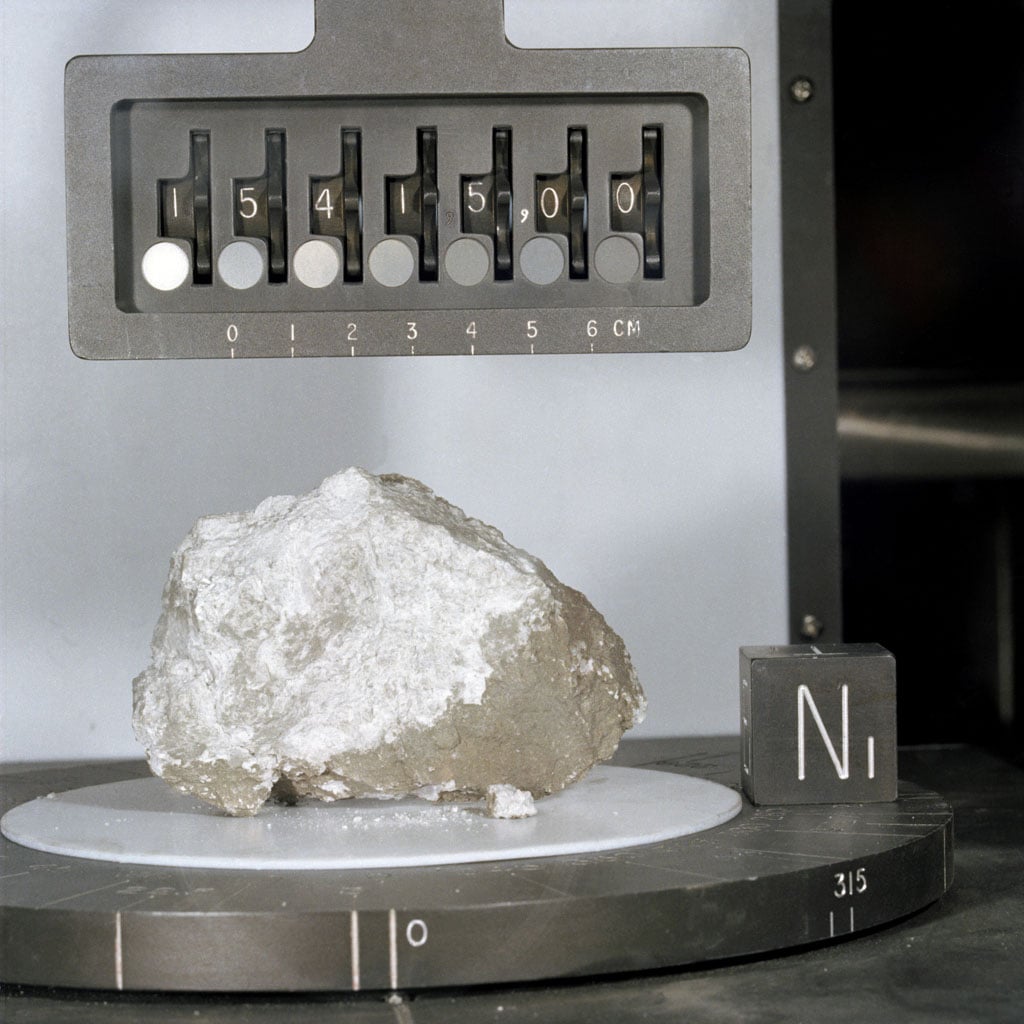
The analysis of samples collected during the Apollo missions continues to provide valuable insights into the Moon’s formation. The Genesis rock, dated at 4.46 billion years old, is a notable example, composed almost entirely of plagioclase—a mineral that floats in magma due to its low density. Van Westrenen explains that the abundance of this mineral suggests we are observing the surface of an ancient magma body, raising questions about how long it took for minerals to form after the impact.
Experiments Under Extreme Conditions
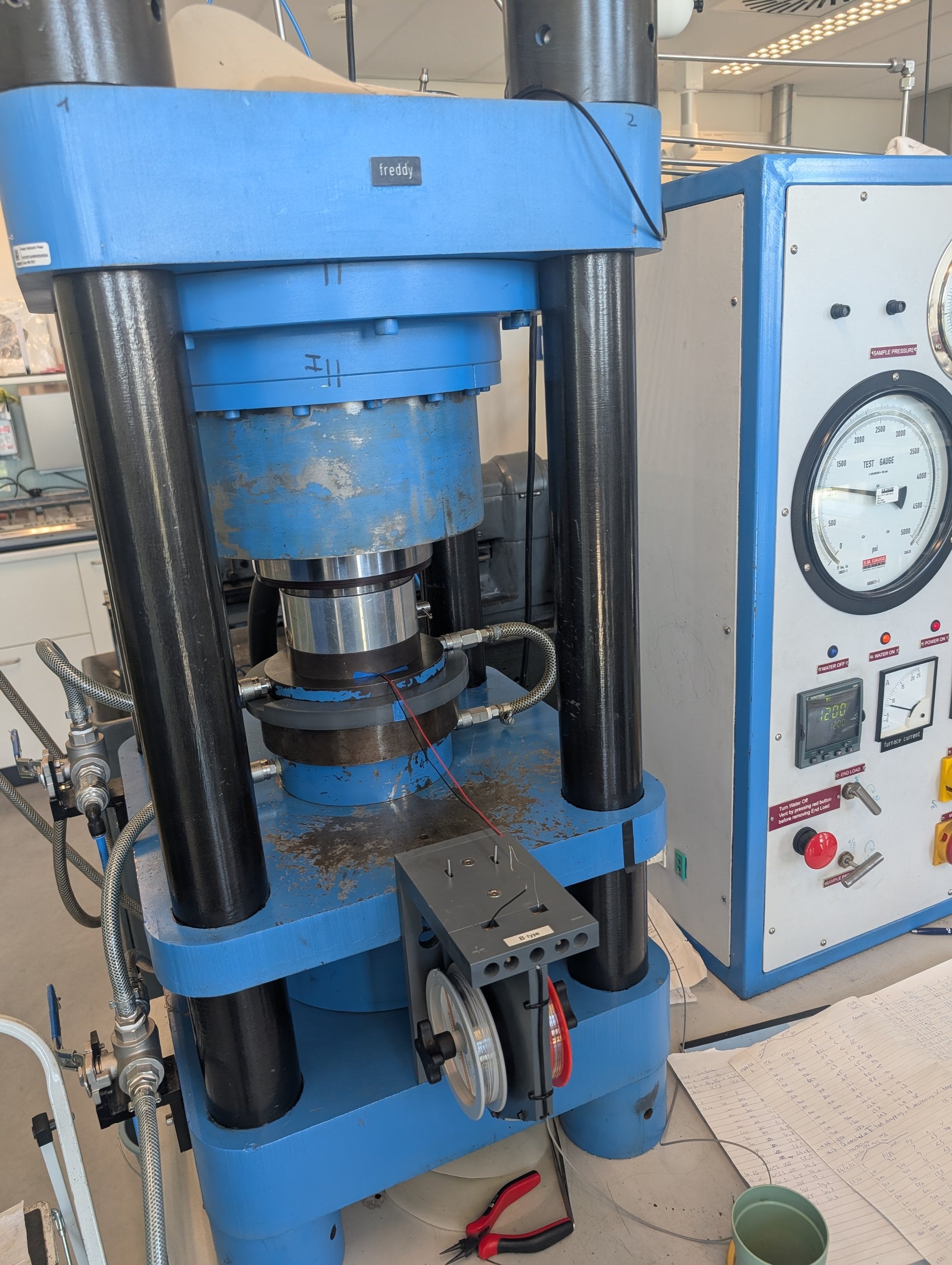
Researchers led by van Westrenen conduct experiments under extreme conditions to simulate the Moon’s interior. Using a high-pressure, high-temperature chamber, they recreate environments similar to those inside the Moon, heating materials to over 1,700 degrees Celsius and generating pressures of up to 250,000 times Earth’s atmospheric pressure. These experiments are essential for understanding how the solidification of a lunar magma ocean may have occurred and which minerals formed during this process.
Challenges in Understanding Chemical Composition
One of the main challenges in understanding the formation of the Earth–Moon system lies in the discrepancies between hydrodynamic numerical simulations and the known chemical compositions of lunar rocks. Classical simulations predict that the Moon should have a chemical composition distinct from what is actually observed. Van Westrenen points out that lunar rocks are much more similar to Earth’s rocks than expected, raising new questions about the nature of the impact that gave rise to the Moon.
The formation of the Moon remains a fertile field for scientific research. The combination of sample analysis, computer simulations, and laboratory experiments continues to deepen our understanding of the origin of our natural satellite, although many mysteries still persist.
Source: universetoday.com