Paranal Telescope ESPRESSO: A New Tool for the Search for Exoplanets


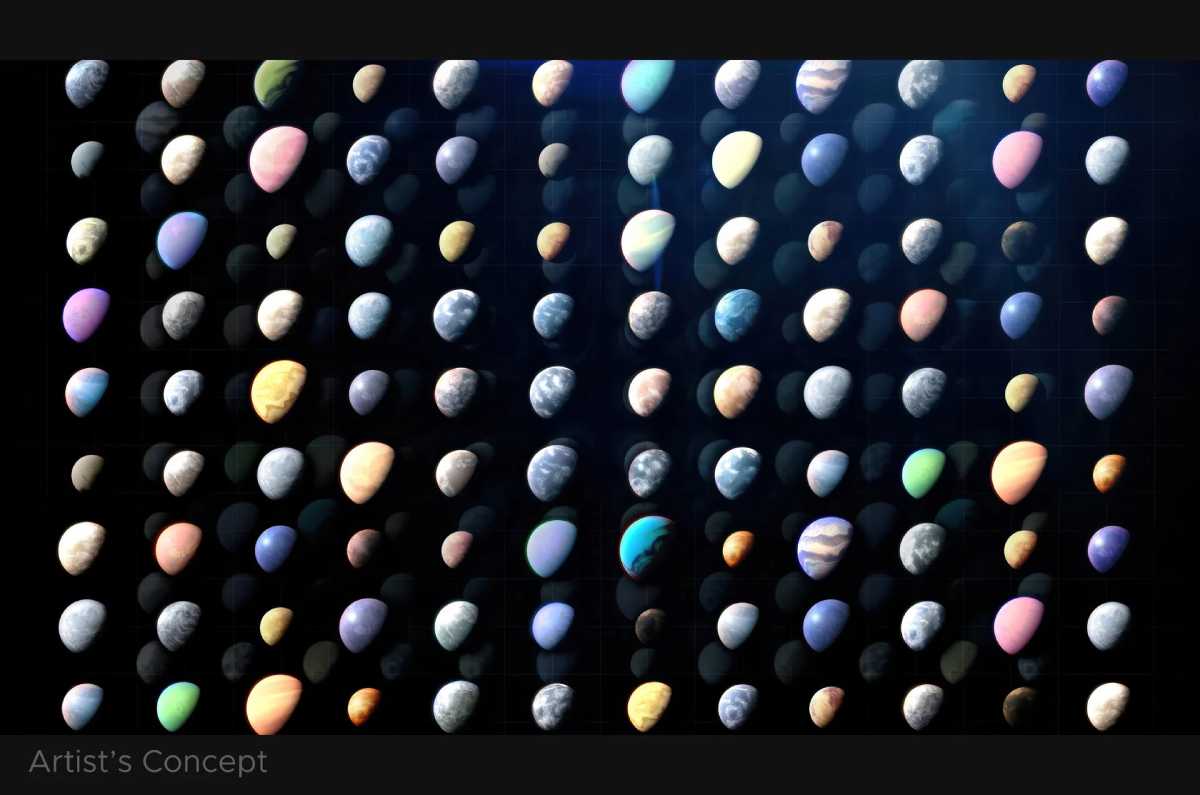
The census of exoplanets has grown rapidly, with more than 6,000 confirmed planets and thousands of candidates under analysis. This significant increase in discoveries is driving the search for potentially habitable worlds, prompting the scientific community to develop new tools and methods to better characterize these distant planets.
Growth of the Exoplanet Census
Studies indicate that there are currently 6,273 confirmed planets, with nearly 20,000 candidates awaiting validation. The rate of discoveries has increased, surpassing the 5,000 mark in 2023 and reaching 6,000 in September 2025. This growth reflects not only advances in observational technologies but also a growing focus on characterizing exoplanets, especially those that may be similar to Earth.
Challenges in Exoplanet Characterization
Characterizing exoplanets presents significant challenges, particularly for rocky planets that are smaller and orbit Sun-like stars. So far, only 223 of the confirmed exoplanets are terrestrial planets, and none of them orbit G-type stars like our Sun. Most have been identified in systems orbiting red dwarf stars, which are less luminous and have distinct characteristics that make detecting Earth-like planets more difficult.
The Paranal Telescope ESPRESSO Proposal
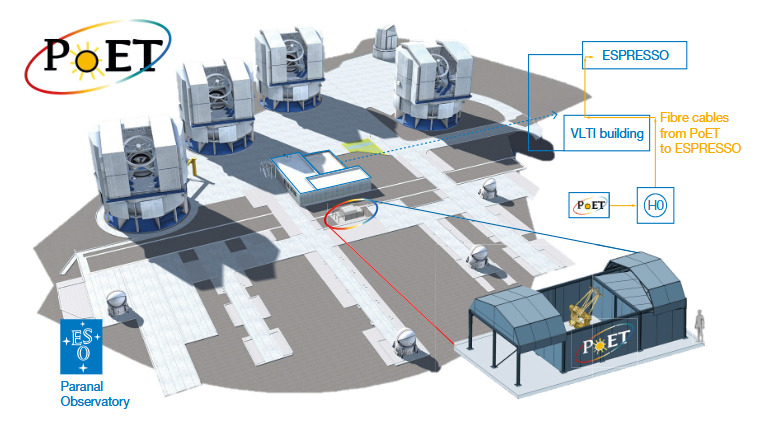
To address these challenges, an international team of astronomers has proposed the construction of the Paranal Telescope ESPRESSO (PoET). This telescope will collect sunlight and direct it to the ESPRESSO spectrograph, located at the Very Large Telescope (VLT). The goal is to improve the identification of noise sources that interfere with exoplanet detection, making it easier to search for potentially habitable planets.
Detection Methods and Overcoming Stellar Noise
Exoplanet detection methods, such as high-resolution spectroscopy, face the challenge of stellar noise, which can obscure signals from planets. Variability caused by sunspots, convective motions, and stellar magnetic activity generates fluctuations that complicate analysis. To mitigate these effects, astronomers have developed approaches to model and filter this noise, but the effectiveness of these techniques is still limited. A detailed understanding of the processes that generate this variability is crucial for improving the detection of Earth-like planets.
The search for habitable exoplanets continues to advance, driven by technological innovations and international collaborations. The Paranal Telescope ESPRESSO represents an important step in this effort, promising to enhance the characterization of distant worlds and expand our understanding of the potential for life beyond the Solar System.
Source: universetoday.com